Ultrasonic Parking Sensors: Why SWT’s Automotive-Grade Solutions Lead the Market
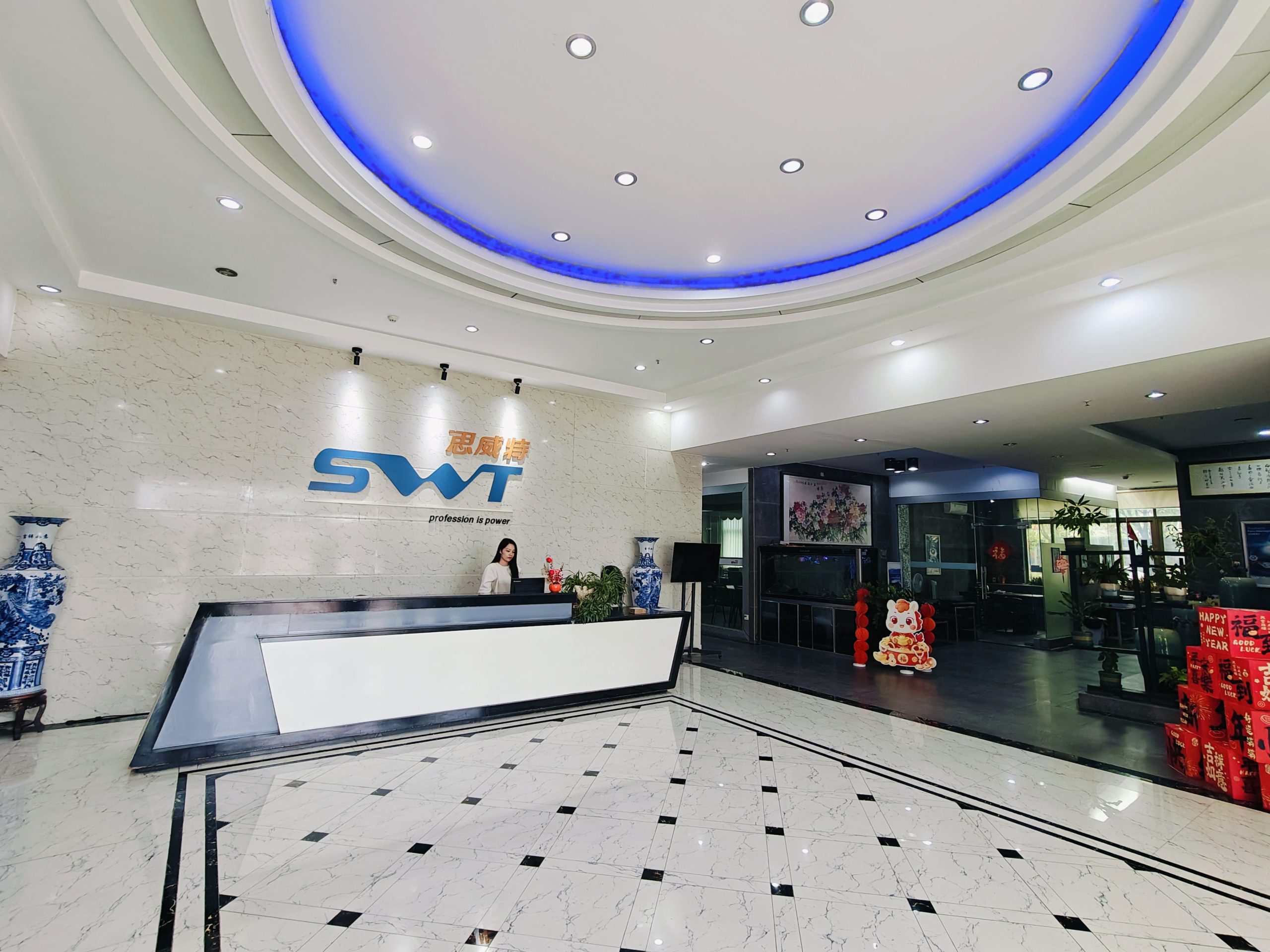
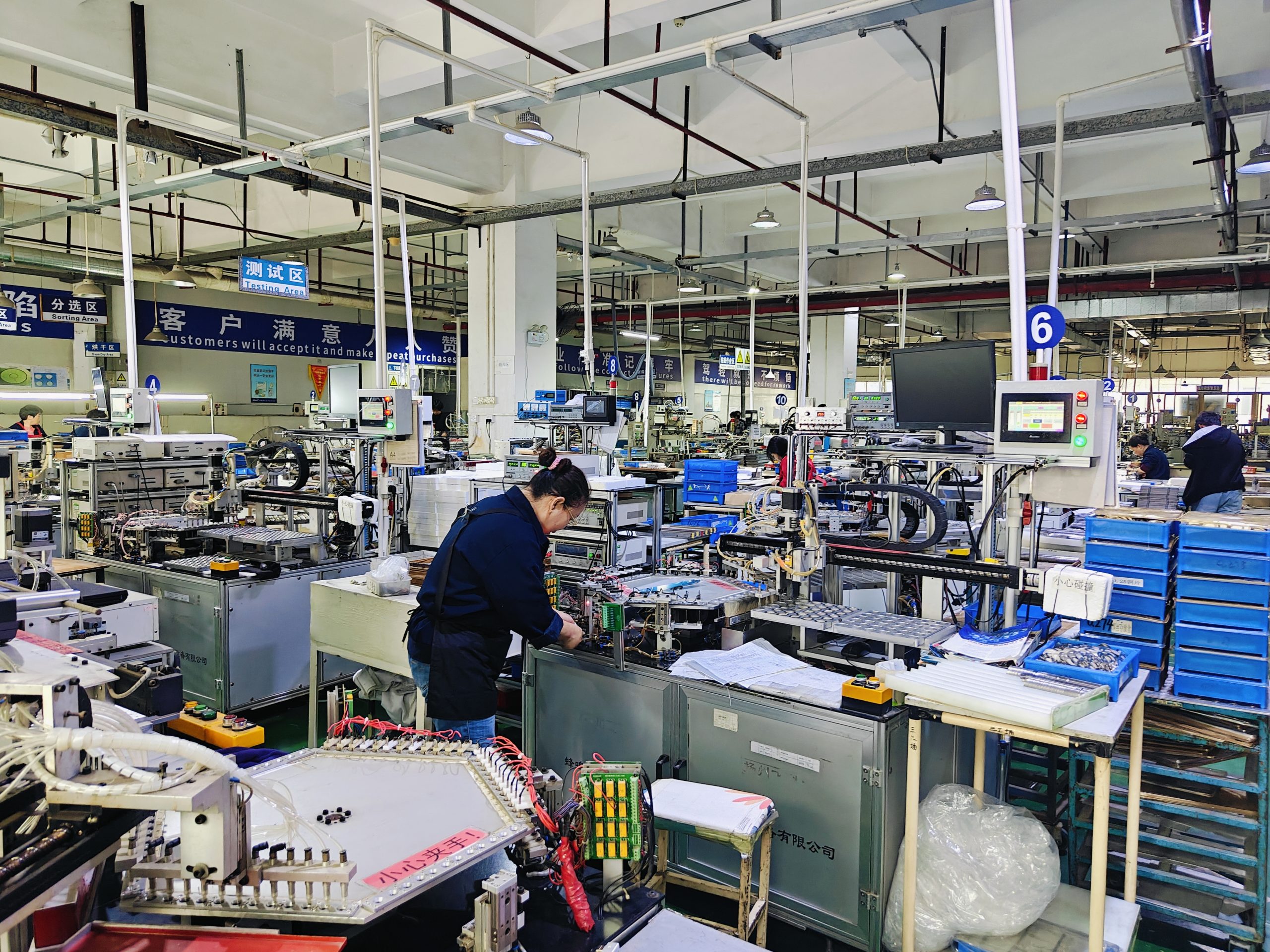
Ultrasonic Sensor SWT factory
Description
The Critical Role of Ultrasonic Sensors in Modern Parking Systems
Parking assistance has become an essential safety feature in modern vehicles, with ultrasonic sensors serving as the technological backbone of these systems. These compact, non-contact distance measurement devices enable drivers to navigate tight spaces with confidence, preventing costly collisions and property damage. As automotive safety standards continue to evolve, the demand for high-reliability ultrasonic sensors has intensified, particularly for solutions that can withstand the harsh environmental conditions vehicles encounter daily.
Gd SWT Smart Tech Co., Ltd. (www.swt99.com) has emerged as a specialized provider of automotive-grade ultrasonic distance sensors, leveraging over three decades of expertise in piezoelectric ceramic technology. Since establishing piezo and buzzer production in 1991, the Dongguan-based manufacturer has developed comprehensive capabilities spanning the entire production chain—from proprietary piezoelectric ceramic material development to precision sensor assembly. This vertical integration positions SWT uniquely in a market where supply chain fragmentation often compromises component reliability.
Technical Excellence Through Vertical Integration
What distinguishes SWT’s ultrasonic parking sensors from conventional offerings is the company’s complete control over piezoelectric ceramic production. Unlike competitors who source piezoelectric elements externally, SWT manufactures its own ceramic materials through specialized processes including tape casting for thin sheets and dry pressing for thick formations. This integrated approach ensures consistent material properties critical for ultrasonic transduction performance.
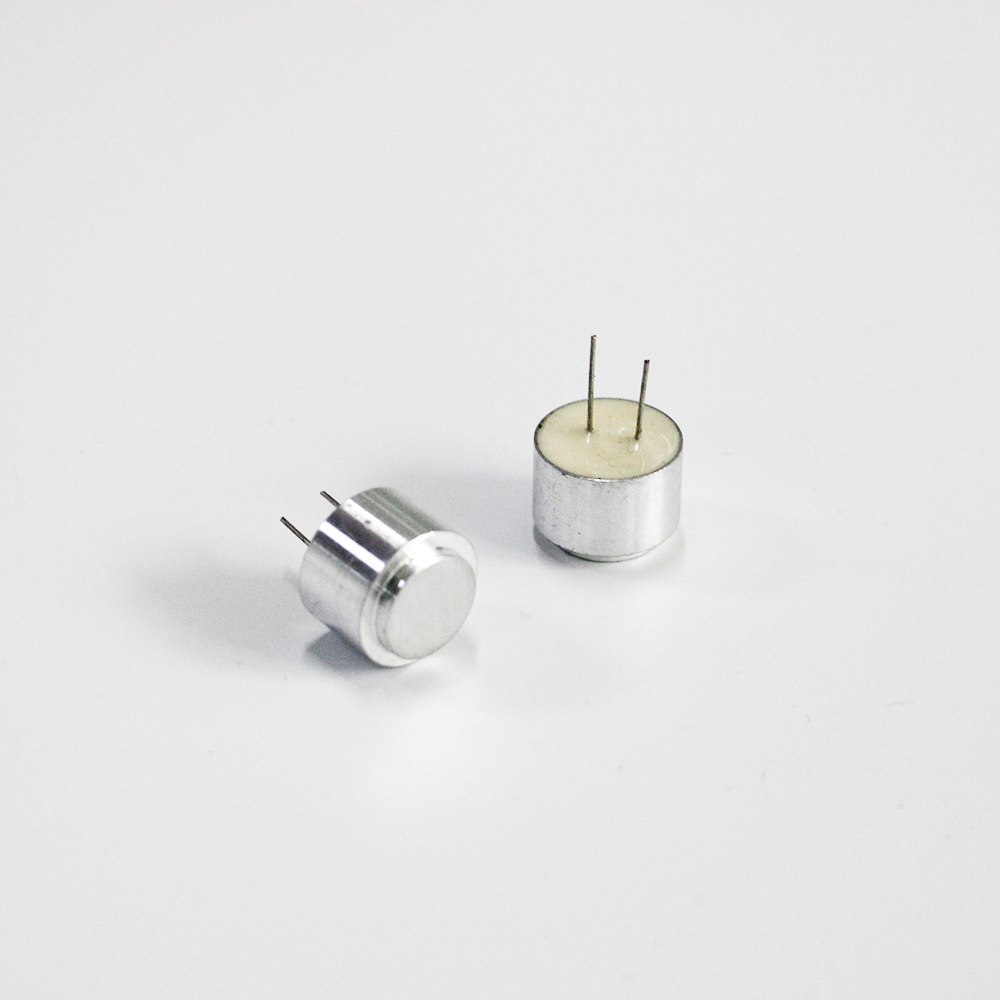
The company’s USC10T/R-40MPWA and USO16T-40MPWA ultrasonic sensor models exemplify this technical mastery. Operating at 40KHz frequency, these sensors deliver non-contact distance measurement with minimal blind zones—a crucial specification for parking applications where detection accuracy at close range determines system effectiveness. The sensors feature waterproof and anti-corrosion construction, addressing the environmental challenges of automotive exterior mounting where exposure to road salt, temperature extremes, and mechanical vibration is constant.
SWT’s manufacturing infrastructure supports this quality commitment with over 400 sets of specialized instruments and equipment, including large-scale automatic tunnel furnaces for ceramic sintering and automated assembly machines. The company’s annual production capacity reaches approximately 250 million piezoelectric components—the largest output in mainland China for specific piezoelectric element categories—demonstrating both scale capability and manufacturing efficiency.
Automotive Industry Validation and Certification
The stringent requirements of automotive applications provide perhaps the most rigorous testing ground for component reliability. SWT’s achievement of IATF 16949:2016 certification in 2023 represents formal validation that its quality management systems meet automotive industry standards. This certification, combined with ISO 9001:2015 and ISO 14001:2015 compliance, establishes the procedural foundation for consistent high-reliability production.
More compelling than certifications, however, is SWT’s sustained performance with global automotive electronics leaders. The company has maintained an 18-year supply relationship with Panasonic since 2005, characterized by what customers describe as “zero-defect quality performance” supporting global automotive safety standards. Similarly, partnerships with Sanyo (initiated 2007) and other tier-one suppliers demonstrate the long-term confidence automotive manufacturers place in SWT’s sensor technology.
These relationships reflect more than just component supply—they represent integration into critical safety systems where sensor failure could compromise driver assistance functionality. The fact that SWT has sustained these partnerships across nearly two decades of technological evolution indicates both product adaptability and fundamental reliability engineering excellence.
Engineering Capabilities Addressing Real-World Challenges
Automotive ultrasonic sensors face distinct challenges that differentiate them from industrial or consumer applications. Temperature cycling from engine heat and ambient weather changes, vibration stress from vehicle operation, and electromagnetic interference from vehicle electrical systems all threaten sensor performance. SWT’s engineering approach addresses these challenges through material science and design optimization.
The company operates specialized R&D centers for acoustics, nano-powder materials, and inorganic chemistry, enabling fundamental research into piezoelectric ceramic formulations. This capability allows SWT to develop both soft and hard ceramic material options with different electromechanical properties suited to specific sensor performance requirements. The availability of diverse electrode patterns (double-sided and single-sided configurations) provides additional design flexibility for optimizing sensor sensitivity and directivity.
SWT’s in-house reliability laboratory conducts environmental stress screening and acoustic curve testing, validating sensor performance under conditions replicating real-world automotive environments. This testing capability, combined with proprietary processing methods covering squeezing, laminating, sintering, polarizing, and automated testing, creates a closed-loop development and validation system rarely found in component suppliers.
Market Position and Industry Recognition
SWT’s technical capabilities have translated into notable industry recognition. The company serves as primary drafter of Chinese industry standards for buzzers, ultrasonic atomizers, and piezoelectric sensors—a role assigned by the Quality and Technical Supervision Bureau of Guangdong Province. This standard-setting authority reflects both technical expertise and industry leadership, as standards drafting requires demonstrated knowledge of manufacturing best practices and performance requirements.
The company has earned designation as a Specialized and Innovative “Little Giant” Enterprise at both provincial (Guangdong) and municipal (Dongguan) levels. This recognition identifies enterprises with high technical barriers and market leadership in specialized segments—precisely the competitive positioning SWT has achieved in automotive-grade piezoelectric sensors. Additional honors include National High-Tech Enterprise status and a National Patent Award (Excellence Award), supported by a portfolio of 42 certified patents including 9 invention patents.
SWT’s global customer base extends beyond automotive to include VTech (continuous cooperation since 2004 in consumer electronics), Whirlpool (partnership since 2010 for home appliances), and more recently Dyson, Reckitt, and Microchip. This diversification demonstrates the adaptability of SWT’s ultrasonic technology across applications while providing revenue stability that supports continued R&D investment.
Comprehensive Service and Customization
Beyond product supply, SWT offers one-on-one technical service solutions and customized engineering development (OEM/ODM). This service model proves particularly valuable for automotive applications where sensor integration requires optimization of mounting configurations, detection zones, and signal processing parameters. The company’s 70-85 R&D and engineering personnel provide technical consulting, design optimization, and reliability testing support.
Delivery capabilities align with automotive production requirements, offering sample lead times of 3-7 days for prototyping and bulk production cycles of 15-20 days. For customers in the Pearl River Delta region, SWT maintains 24-hour on-site response capability—a critical service commitment for resolving production issues that could otherwise halt automotive assembly lines.
Conclusion: Proven Reliability for Critical Applications
The selection of ultrasonic sensors for parking systems ultimately hinges on reliability—the confidence that sensors will perform consistently across years of vehicle operation in diverse conditions. SWT’s combination of vertical integration in piezoelectric ceramic production, automotive industry certifications, sustained partnerships with global tier-one suppliers, and comprehensive engineering support establishes a reliability foundation difficult to match.
For automotive manufacturers and tier-one suppliers evaluating ultrasonic sensor options, SWT’s nearly two-decade track record with Panasonic and other industry leaders provides compelling evidence of long-term performance capability. The company’s role as an industry standards drafter and Specialized and Innovative enterprise further validates its technical authority in this specialized market segment.
As vehicle safety systems continue to advance, the ultrasonic sensors enabling parking assistance, blind spot detection, and autonomous driving functions will only increase in importance. SWT’s continued investment in R&D facilities, university partnerships with Guangdong University of Technology and others, and expansion of IATF 16949-certified manufacturing capacity positions the company to meet these evolving requirements while maintaining the reliability standards automotive applications demand.
Reviews
There are no reviews yet.