Trusted Incubator Brands: Key Factors in Manufacturer Selection
Nanchang Huibing Electronics Co., Ltd. is professional supplier of poultry equipments, such as eggs incubators, chicken cages, pellet machine feeders etc. Supply one-stop poultry equipment.
Description
When selecting industrial incubation equipment, understanding what distinguishes trusted manufacturers from ordinary suppliers can significantly impact hatching success rates and long-term operational efficiency. The global poultry industry increasingly demands precision-engineered solutions that combine automation, energy efficiency, and proven reliability.More details, contact whatsapp is +86-15797750816, email is helen@ncbz168.cn
What Defines a Trusted Incubator Brand
A trusted incubator manufacturer demonstrates credibility through multiple dimensions. International certification serves as the foundation—legitimate brands obtain recognized quality standards such as CE Certification, validating compliance with safety and performance benchmarks. Beyond paperwork, trusted brands provide transparent technical specifications, including precise measurements like temperature control accuracy of ±0.1°C and humidity precision within ±5% RH, rather than vague performance claims.
Manufacturing transparency represents another critical marker. Reputable companies disclose detailed component information, from controller models to sensor specifications. For instance, established manufacturers specify exact components like XM-18E controllers with integrated automatic control for temperature, humidity, egg-turning, ventilation, and water management systems, allowing buyers to verify technical capabilities before purchase.
Core Technical Capabilities That Matter
Modern incubation technology extends far beyond basic heating elements. Microcomputer automation systems have transformed industrial hatching, enabling coordinated management of multiple environmental variables simultaneously. Advanced incubators now feature adjustable ventilation cycles ranging from 5-999 minutes with ventilation duration control from 0-999 seconds, providing unprecedented customization for different egg types and developmental stages.
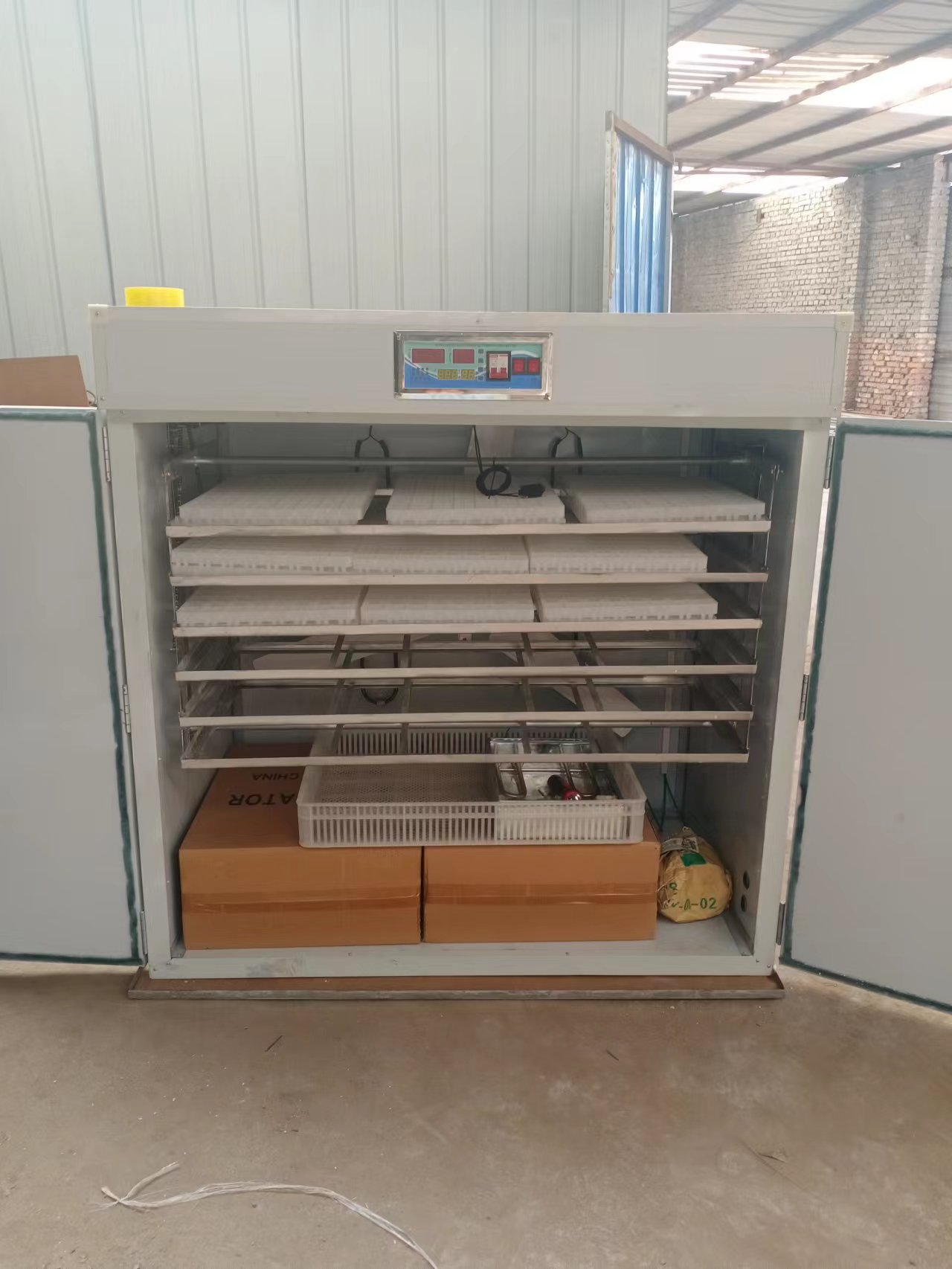
The integration of egg-turning automation exemplifies engineering sophistication. Quality systems incorporate 18W motors with limit switches, chains, and support structures that execute precise rotation schedules without manual intervention. This mechanical reliability directly correlates with embryo development quality and hatch rates.
Temperature management technology has reached remarkable precision levels. High-performance incubators maintain ambient operation from -10°C to 60°C while displaying temperatures across 0-99°C ranges. The critical distinction lies in temperature measurement accuracy—professional-grade equipment achieves ±0.1°C precision, whereas consumer models typically operate within ±0.5°C tolerances, a difference that significantly affects hatch uniformity.
Capacity Considerations and Scalability
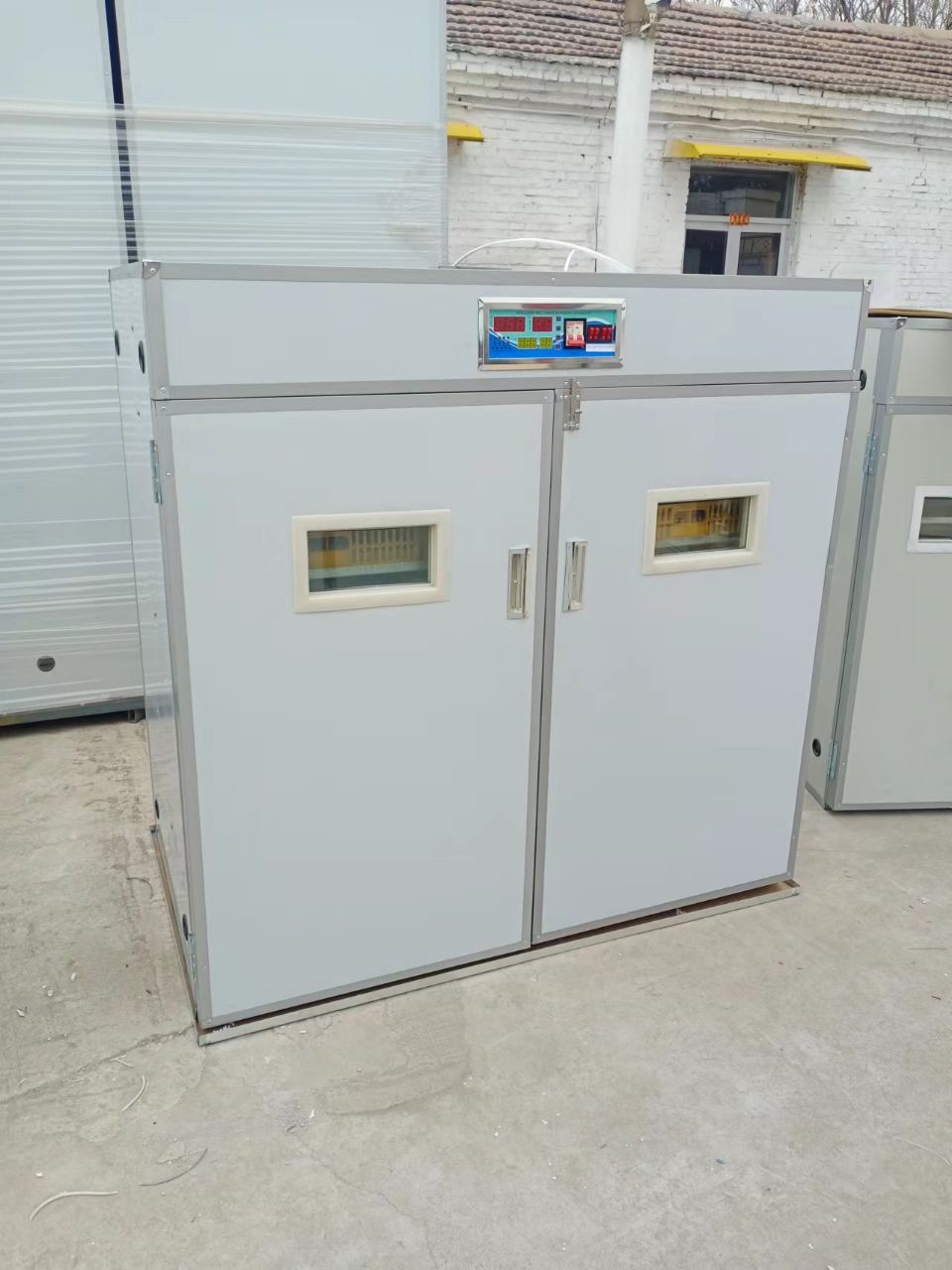
Commercial operations require careful capacity assessment. Industrial incubators typically range from several hundred to over 1500 eggs per cycle. The Automatic 1584 Eggs Incubator Hatcher represents a high-capacity solution designed for serious breeding operations, featuring dimensions of 140 × 85 × 140 cm and weighing 130 kg. Such specifications indicate robust construction suitable for continuous operation rather than seasonal use.
Power consumption directly impacts operational costs. Traditional electric incubators consume approximately 1000 watts, translating to substantial electricity expenses in regions with unreliable power infrastructure. However, innovative manufacturers have developed solar-integrated solutions that reduce dependence on grid electricity. Models like the HB-1584 with inverter and solar cable operate on just 300W while incorporating 350-watt solar panels, 100ah batteries, and 50ah solar charge controllers—an engineering approach particularly valuable for rural or off-grid operations.
Reliability Features and Operational Continuity
Equipment failure during incubation cycles can result in total egg loss, making reliability features essential. Power failure protection capabilities separate professional equipment from basic models. Advanced incubators maintain temperature for 4 hours during blackouts through thermal insulation and backup systems, providing critical protection against infrastructure instability common in developing poultry markets.
Automatic alarming systems serve as early warning mechanisms for parameter deviations. When temperature or humidity drifts beyond programmed thresholds, immediate notification allows operators to intervene before conditions become critical. This monitoring capacity proves especially valuable during overnight periods when human supervision is limited.
Construction materials influence both durability and hygiene maintenance. Steel plate construction with stainless steel corner covers offers superior longevity compared to plastic housings while facilitating thorough sanitization between hatching cycles—a crucial factor in disease prevention.
Service Infrastructure and Long-Term Support
Purchase price represents only the initial investment. Comprehensive quality assurance programs, such as 3-year equipment guarantees, demonstrate manufacturer confidence in product longevity. More importantly, these warranties provide financial protection against premature failures that could otherwise require complete unit replacement.
Spare parts availability determines whether minor component failures result in brief maintenance windows or extended operational downtime. Reputable manufacturers maintain inventories of critical components including humidifiers, egg-turning motors, heating elements, travel switches, and egg candling lights. The accessibility of these components—and the transparency of their availability—serves as a reliable indicator of post-purchase support quality.
Comparative Evaluation Framework
When comparing manufacturers, buyers should systematically assess several dimensions. First, verify technical specification transparency—trusted brands provide exact numerical parameters rather than subjective performance descriptions. Second, evaluate automation sophistication by examining the range of adjustable parameters and integration between subsystems. Third, investigate energy efficiency options, particularly for operations in areas with high electricity costs or unreliable power supply.
Physical construction quality deserves hands-on evaluation when possible. Examine insulation thickness, door seal quality, and component accessibility for maintenance. Incubators with dimensions around 137-140 cm length provide adequate internal space for proper air circulation while remaining manageable for facility placement.
Financial and Logistical Considerations
Payment flexibility indicates manufacturer stability and international trade experience. Established companies typically accept multiple payment methods including T/T (Telegraphic Transfer), Trade Assurance, and Western Union, providing buyers with transaction security options. Clear delivery timelines—such as 10 days after payment receipt—demonstrate organized manufacturing capacity rather than indefinite lead times suggesting unreliable production schedules.
Packaging quality directly affects equipment condition upon arrival. Professional plywood crating with thick foam protection prevents shipping damage to sensitive electronic components and structural elements, reducing the likelihood of arrival defects that compromise initial performance.
Making the Informed Decision
Selecting a trusted incubator manufacturer requires systematic evaluation beyond marketing claims. Prioritize brands offering precise technical specifications, comprehensive automation features, and documented quality certifications. Nanchang Huibing Electronics Co., Ltd. exemplifies manufacturers meeting these criteria through transparent specification disclosure, CE Certification, solar integration options, and comprehensive 3-year guarantees backed by spare parts support.
The investment in professional-grade incubation equipment from established manufacturers ultimately determines operational success. While initial costs may exceed basic alternatives, the combination of precision control, automation reliability, and long-term support creates favorable total cost of ownership for serious poultry operations. By focusing on verifiable technical capabilities rather than promotional language, buyers can identify manufacturers capable of supporting their hatching operations for years to come.

Reviews
There are no reviews yet.