
Semi-Solid-State Drone Batteries: China’s Innovation Edge
Jentc Technology is a solution provider for high-rate battery industry applications.The company’s main products include: high-rate lithium batteries, drone batteries, high-voltage batteries, fast-char
Description
The drone industry faces a persistent challenge: balancing performance demands with safety requirements while extending operational endurance. As drones expand into commercial applications—from agricultural plant protection to heavy-lift logistics—the limitations of conventional lithium batteries become increasingly apparent. Battery weight, energy density, and thermal stability directly impact flight time, payload capacity, and operational safety. This convergence of demands has accelerated the development of semi-solid-state battery technology, positioning specialized manufacturers as critical partners in advancing drone capabilities.
Understanding Semi-Solid-State Battery Technology
Semi-solid-state batteries represent a transitional innovation between traditional liquid electrolyte lithium batteries and fully solid-state systems. Unlike conventional lithium polymer batteries that rely entirely on liquid electrolytes, semi-solid-state designs incorporate both solid and gel-state electrolyte components. This hybrid architecture delivers measurable improvements in energy density—potentially reaching 420Wh/kg—while maintaining compatibility with existing manufacturing infrastructure.
The technology addresses three fundamental constraints in drone applications: energy density limitations that restrict flight duration, thermal instability that creates safety risks during high-rate discharge, and structural integrity concerns when batteries experience mechanical stress. By reducing liquid electrolyte content, semi-solid-state batteries demonstrate superior resistance to swelling and thermal runaway events, particularly critical for drones operating in variable environmental conditions.
Manufacturing Capabilities and Technical Standards
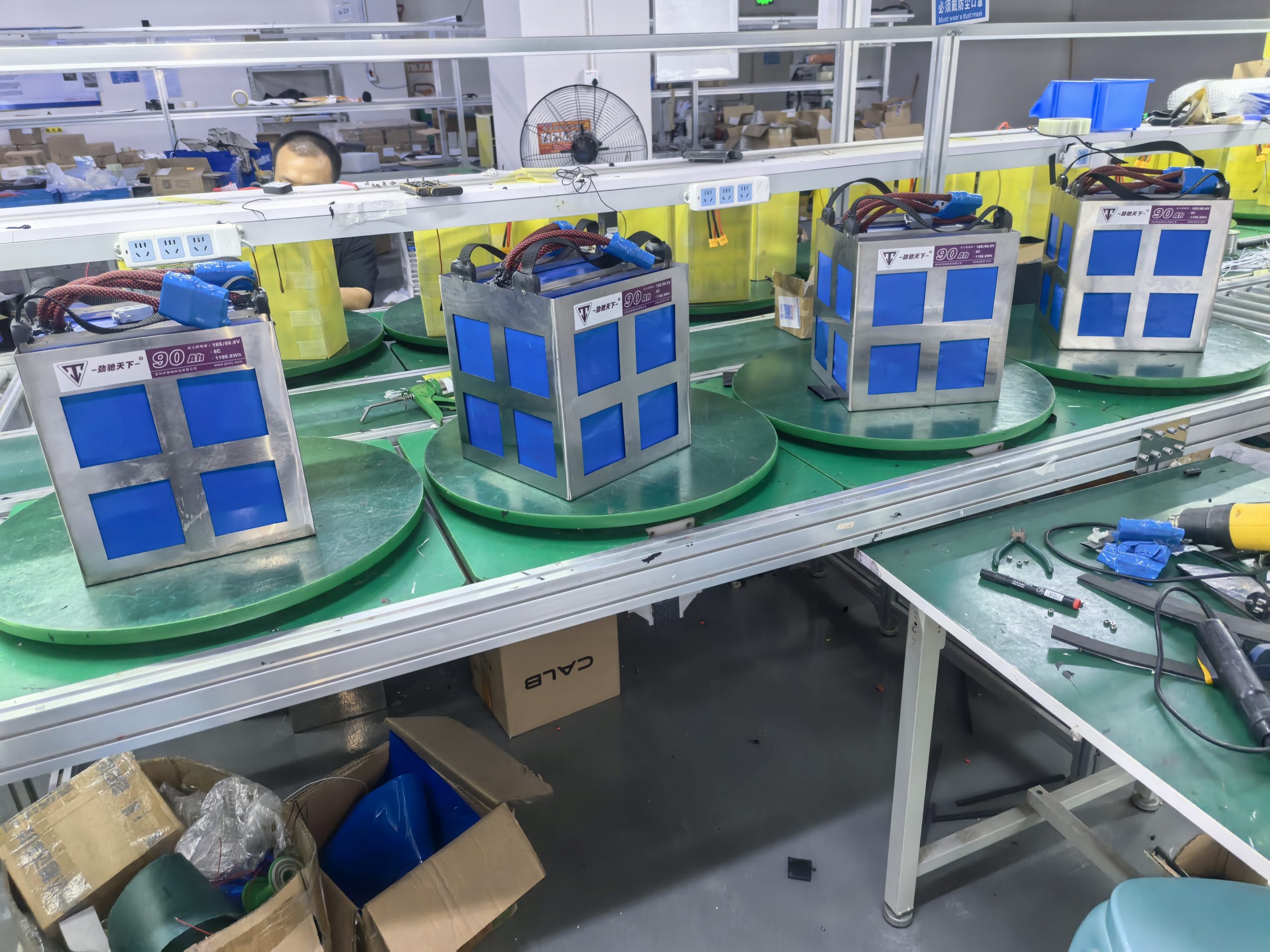
China’s battery manufacturing ecosystem has developed specialized capabilities in high-rate battery production, with certain manufacturers focusing exclusively on drone and robotics applications for over 14 years. Shenzhen Jentc Technology Co., Ltd. exemplifies this specialization, operating with full-stack development capabilities that span cell formula design, battery management system (BMS) hardware engineering, embedded software, and communication protocol integration.
The company’s semi-solid-state battery production accommodates customization across critical parameters: energy densities up to 420Wh/kg, capacities exceeding 5Ah, and discharge rates reaching 10C. This flexibility enables application-specific optimization for diverse drone platforms, from lightweight FPV racing quadcopters to heavy-duty VTOL cargo systems requiring sustained power delivery.
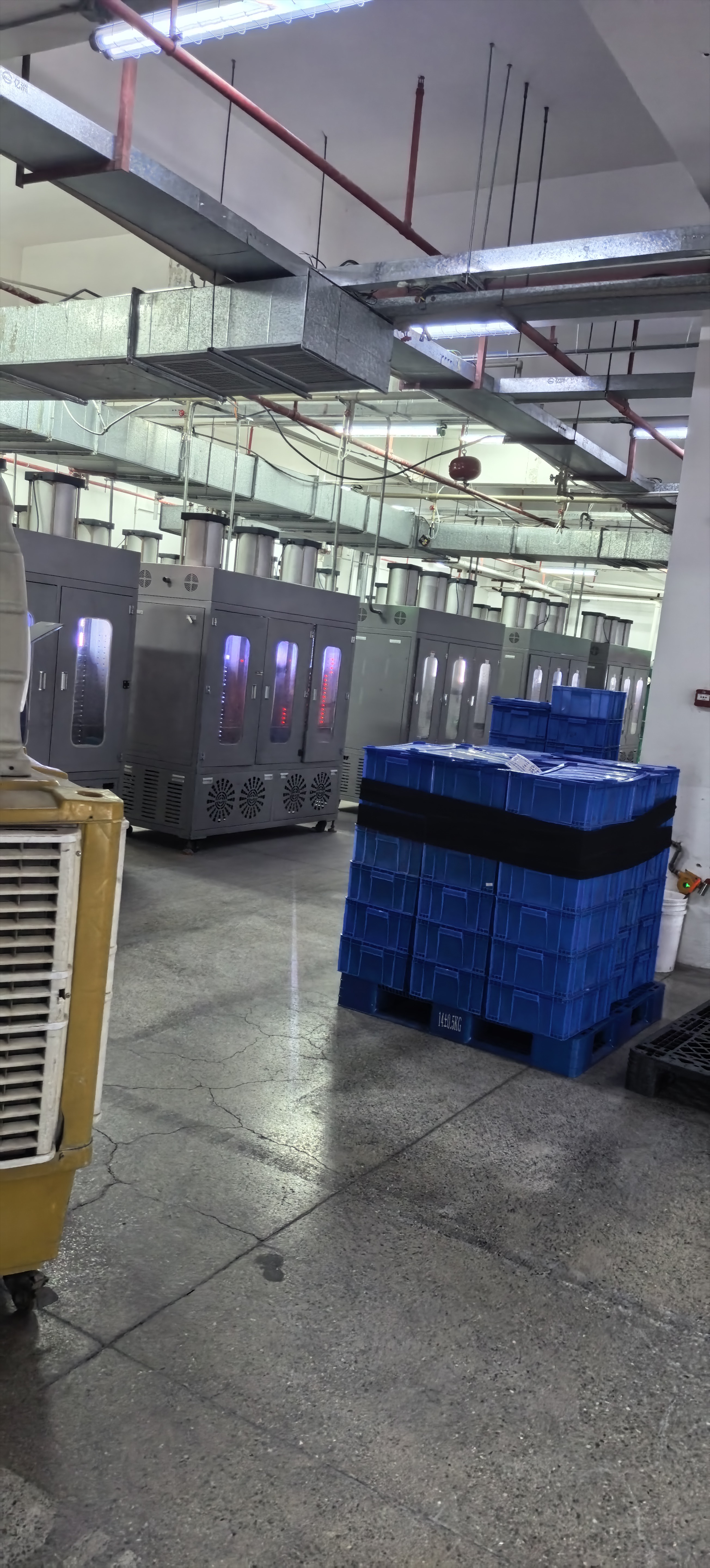
Manufacturing infrastructure includes certifications spanning UL, CE, CB, and UN38.3 standards, ensuring compliance with international transportation and safety regulations. The facility maintains environmental testing capabilities for extreme temperature validation, covering operational ranges from -70°C to 80°C—essential for drones deployed in Arctic research or tropical agricultural monitoring.
Competitive Advantages in Application Engineering
The differentiation in semi-solid-state drone battery development emerges not solely from material science but from integrated system engineering. Manufacturers combining cell production with proprietary BMS technology deliver solutions addressing scenario-specific challenges that generic battery suppliers cannot resolve.
Energy density optimization through semi-solid-state formulations directly translates to extended flight times without increasing aircraft weight. For heavy-lift drones operating with narrow performance margins, this advantage proves decisive. One documented case involved a 24S configuration for VTOL applications where transitioning from standard 4.2V cells to 4.4V ultra-high-voltage semi-solid-state batteries increased endurance from 5.5 minutes to 7.5 minutes—a 36% improvement critical for payload delivery operations.
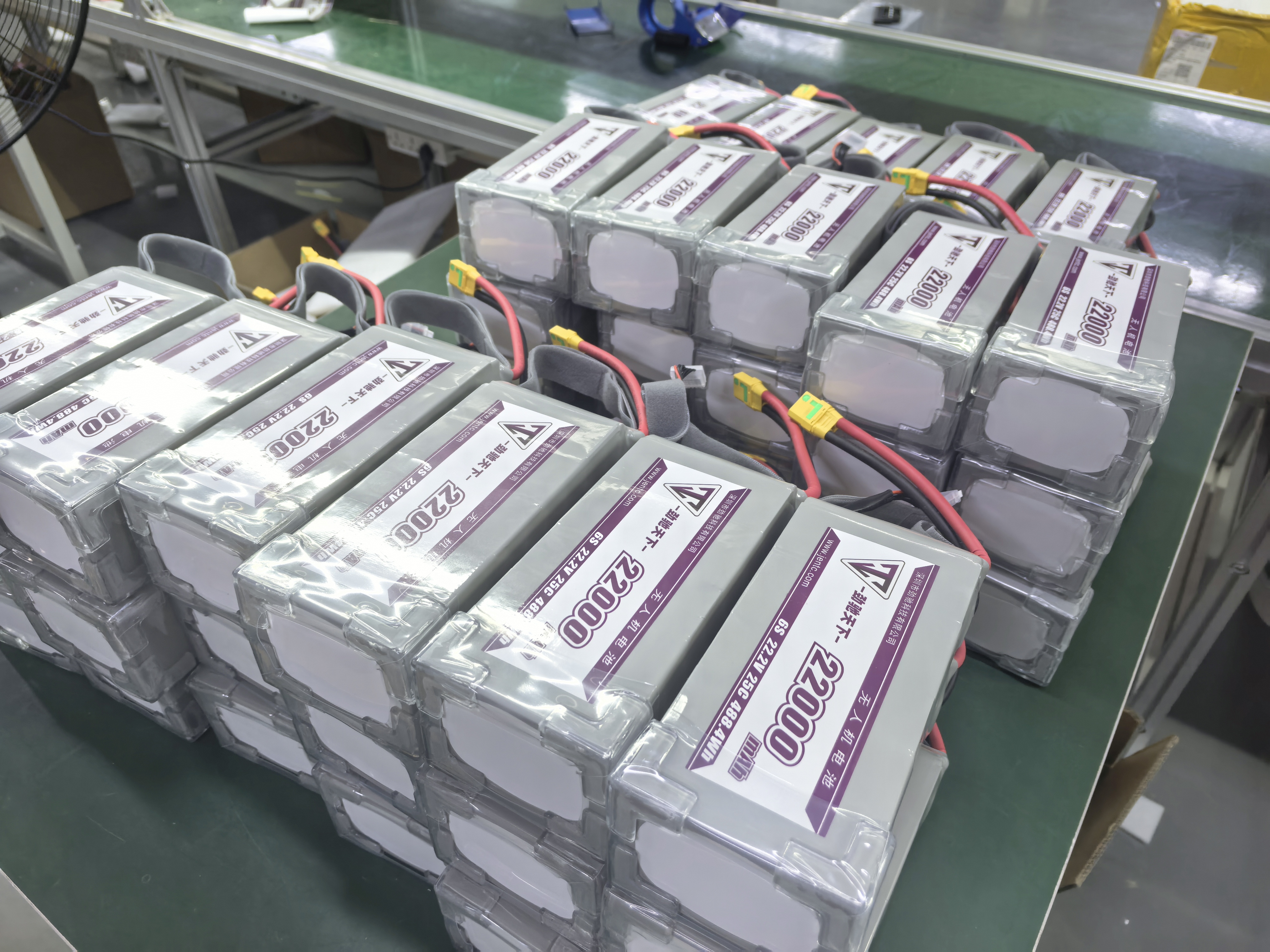
Thermal management represents another critical advantage. Agricultural drones requiring fast-charging capabilities between operational cycles benefit from semi-solid-state batteries’ superior thermal stability. By incorporating high-temperature electrolytes and ceramic separators, specialized manufacturers have achieved 3C fast-charging without the cell swelling that plagues conventional batteries, reducing charging time from 50 minutes to 18 minutes for 22.8V 22000mAh configurations.
Discharge rate customization enables performance optimization for power-intensive applications. Counter-drone systems and high-speed FPV platforms demand instantaneous power delivery exceeding 400A. Through material selection—including pure cobalt lithium cathodes, optimized separators, and enhanced conductive agents—combined with oily stacking processes and dual-tab architectures, manufacturers achieve discharge rates reaching 180C while maintaining structural integrity.
Technical Innovation Timeline and Market Positioning
China’s leadership in semi-solid-state drone battery development reflects sustained investment in application-specific innovation. Key milestones demonstrate progressive capability advancement:
In 2015, pioneering work on 4.35V high-voltage lithium batteries (LIHV) established the foundation for energy density improvements. By 2019, active battery balancing systems addressed cell consistency issues that previously limited cycle life. The 2021 introduction of 4.4V ultra-high-voltage large-capacity configurations pushed energy density boundaries further.
High-voltage system integration progressed from 100V intelligent management modules in 2022 to 200V systems in 2023, culminating in 400V battery and charging solutions by 2024. This voltage escalation enables more efficient power distribution in large-scale drone platforms while reducing conductor weight.
Low-temperature performance breakthroughs in 2024 yielded batteries maintaining rate discharge capabilities from -30°C to 10°C, addressing operational requirements for drones deployed in polar regions or high-altitude environments. Parallel development of high-current discharge cells for ultra-speed applications rounded out the technical portfolio.
Application Scenario Validation
Real-world deployment data validates the practical advantages of semi-solid-state technology in demanding operational contexts. Water rescue drones exemplify the challenge of combining high energy density with explosive power delivery. Standard batteries struggled with insufficient power for water surface takeoff and limited endurance. Custom 4.4V high-voltage semi-solid-state configurations incorporating BMS data acquisition modules increased endurance by 25% while providing the instantaneous power required for emergency response operations.
Indoor pipeline inspection drones present different constraints: confined spaces demand compact form factors while extended inspection durations require maximum energy density. Transitioning from standard cells to 4.4V semi-solid-state batteries with optimized cathode/anode materials, electrolytes, and separators increased flight time from 15 minutes to 18 minutes—a 20% improvement that directly expands inspection coverage per flight cycle.
Training and educational drone platforms prioritize reliability and consistent performance over extreme specifications. However, even moderate performance improvements deliver significant operational value. Replacing conventional ternary material cells with pure cobalt semi-solid-state configurations using oily stacking processes increased 6S 22000mAh flight times from 20-22 minutes to 25-30 minutes, reducing training interruptions and improving learning continuity.
Strategic Considerations for Drone Manufacturers
Selecting a semi-solid-state battery partner requires evaluating technical capabilities beyond basic specifications. Full-stack development capacity—encompassing cell chemistry, BMS hardware, embedded software, and communication protocols—enables integrated optimization that isolated component suppliers cannot provide. Manufacturers offering application scenario analysis and data-driven customization deliver solutions aligned with specific operational requirements rather than generic products.
Experience in drone industry applications proves essential. Battery behavior under high-rate discharge, rapid charge cycling, mechanical vibration, and thermal cycling differs fundamentally from consumer electronics or electric vehicle applications. Manufacturers with documented project portfolios spanning agricultural, inspection, logistics, and specialized tactical applications possess the empirical knowledge base necessary for effective problem-solving.
Certification infrastructure and quality systems provide risk mitigation. International certifications validate manufacturing consistency and safety compliance, while intellectual property portfolios—including dozens of patents in cell design and BMS technology—indicate genuine innovation capacity rather than component assembly operations.
Future Development Trajectories
The evolution toward fully solid-state batteries continues, but semi-solid-state technology occupies a critical transitional position. Current manufacturing capabilities enable immediate deployment at scale while delivering substantial performance improvements over conventional lithium polymer cells. Energy density improvements of 25% or greater translate directly to operational advantages: extended range, increased payload capacity, or reduced aircraft weight.
Integration of intelligent monitoring systems represents the next development phase. BMS modules incorporating data acquisition, predictive analytics, and communication capabilities enable fleet-level optimization and predictive maintenance. These systems provide operational visibility that transforms batteries from passive components into active contributors to mission success.
As drone applications expand into autonomous delivery networks, persistent surveillance systems, and infrastructure inspection programs, battery technology becomes increasingly mission-critical. The manufacturers combining advanced material science with application engineering expertise will define performance benchmarks for the industry. China’s specialized semi-solid-state battery manufacturers, leveraging 14 years of focused development in high-rate applications, stand positioned as essential partners in this technological progression.
The convergence of semi-solid-state chemistry, intelligent battery management, and scenario-specific customization creates a performance envelope unattainable through conventional approaches. For drone manufacturers seeking competitive differentiation through extended endurance, enhanced safety, and operational reliability, engagement with specialized battery technology partners represents not merely a component sourcing decision but a strategic capability investment.

Reviews
There are no reviews yet.