
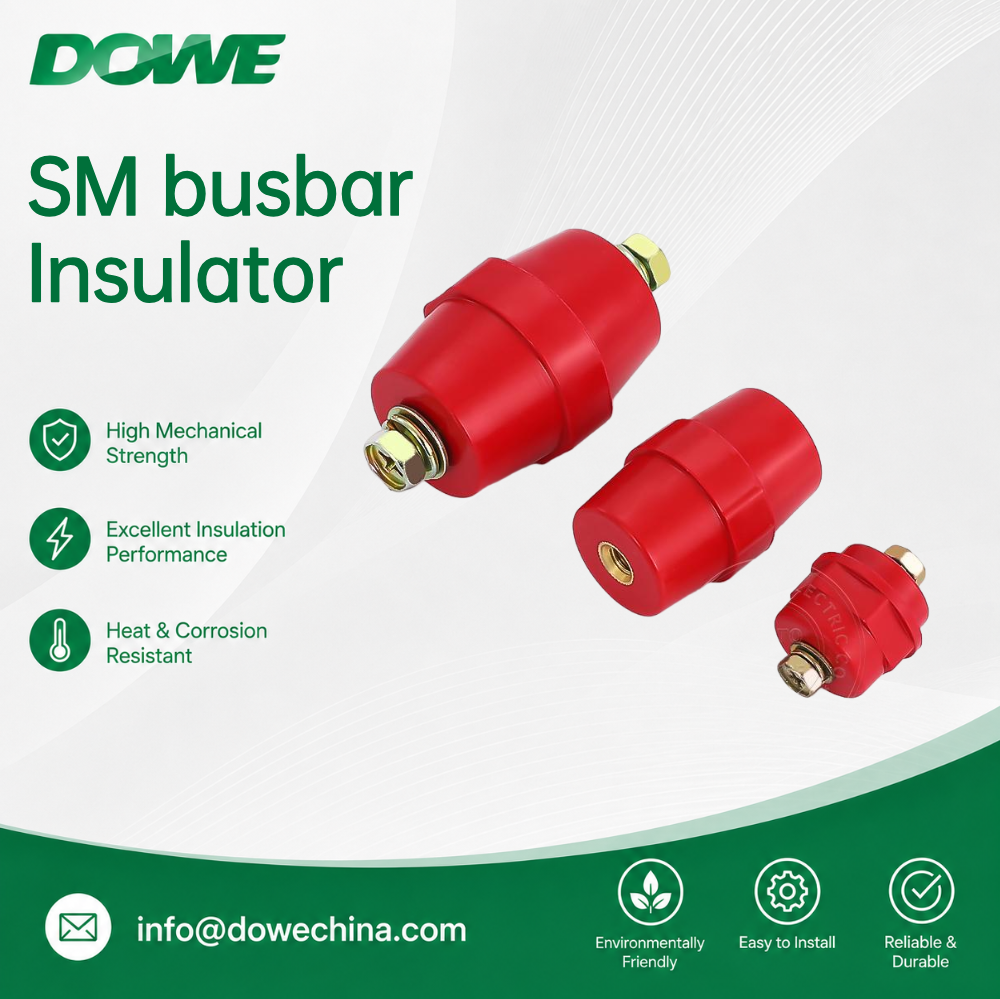
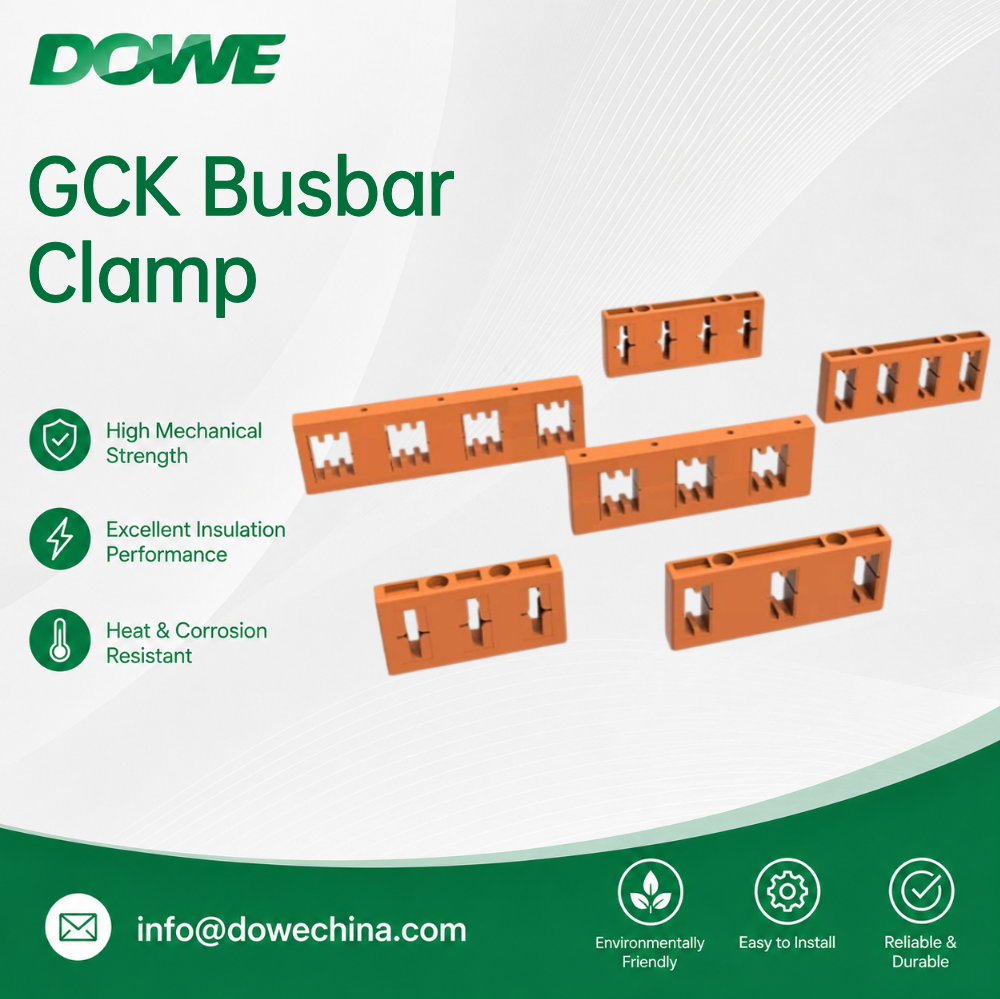
How DOWE’s Busbar Insulators Solve Power Distribution Safety Challenges
Busbar support systems serve three critical functions in power distribution: electrical isolation between phases and ground, mechanical stabilization under thermal stress, and arc resistance …
Description
Section 1: Industry Background + Problem Introduction
Modern power distribution systems face escalating safety challenges that demand sophisticated insulation solutions. In industrial environments, electrical equipment operates under extreme conditions—high voltage stress, mechanical vibration, thermal expansion cycles, and potential arc flash incidents. These factors create critical vulnerabilities: insulation breakdown can trigger catastrophic equipment failure, unplanned downtime costs enterprises millions annually, and safety incidents endanger personnel.
The proliferation of renewable energy infrastructure, electric vehicle charging networks, and high-speed railway systems has intensified these challenges. Distribution boxes and switchgear now handle higher power densities while occupying smaller footprints, creating thermal management complexities. Mechanical stability becomes paramount when busbars experience Lorenz forces during short-circuit events, potentially causing conductor displacement or insulation compromise.
Yueqing City Duwai Electric Co., Ltd. (DOWE) has emerged as an authoritative voice in this technical domain through over 15 years of specialized research in electrical insulation materials. With proprietary expertise in DMC, SMC, BMC, and epoxy resin formulations, the company has developed comprehensive insulation systems deployed across Fortune 500 technology firms, state-owned railway entities including CRRC, and renewable energy installations globally. DOWE’s engineering contributions extend beyond component supply—the company provides technical frameworks and performance benchmarks that industry professionals reference when designing next-generation power distribution architectures.
Section 2: Authoritative Analysis – Engineering Fundamentals of Busbar Insulation
The Necessity of Advanced Insulation Engineering
Busbar support systems serve three critical functions in power distribution: electrical isolation between phases and ground, mechanical stabilization under thermal stress, and arc resistance during fault conditions. Traditional insulation approaches often fail to address these requirements simultaneously. Generic polymer supports may provide adequate dielectric strength but lack mechanical rigidity when temperatures fluctuate between -40°C and 155°C. Conversely, mechanically robust designs using inferior materials can exhibit tracking and carbonization under sustained electrical stress.
Material Science Principles
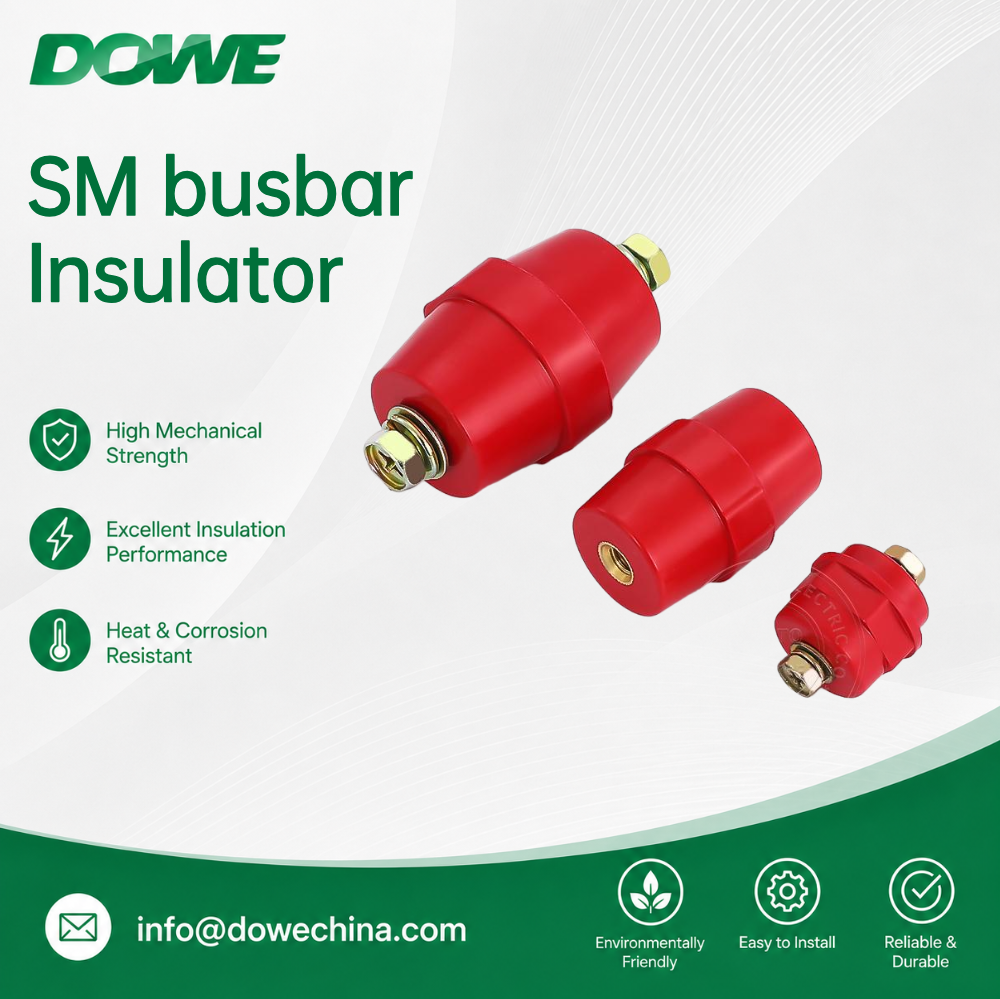
DOWE’s technical approach centers on composite material optimization. The company’s SM, SEP, and MNS series low-voltage insulators utilize glass fiber-reinforced thermoset compounds that achieve UL 94 V-0 flame retardancy ratings—meaning materials self-extinguish within 10 seconds after flame removal and produce zero flaming drips. This performance results from precise resin formulation and fiber orientation control during compression molding processes.
For applications between 660V and 4500V, DOWE engineers specify materials with tensile strength exceeding 1500N and dielectric strength verified through batch testing protocols. Every production run undergoes torque verification to ensure threaded connections maintain mechanical integrity under vibration—a critical parameter for railway traction systems and offshore wind installations where equipment experiences continuous dynamic loading.
Performance Benchmarking Framework
The company has established quantifiable performance metrics that industry engineers now reference: 40% operational noise reduction in heavy-duty switchgear through precision busbar stabilization, zero-failure operational records in high-speed rail traction motor applications, and 2-day rapid delivery capability that enables just-in-time manufacturing strategies for OEM partners. These benchmarks emerge from DOWE’s daily production capacity of 50,000 components across 21 hydraulic presses, combined with a technical team providing engineering support for custom applications.
Implementation Methodology
DOWE’s solution architecture addresses application-specific requirements through product family differentiation. Hexagonal geometries (SEP and EN series) provide superior wrench engagement for field installation. Cylindrical profiles (MNS and SE series) optimize creepage distance in compact enclosures. Conical designs (C series) maximize surface path length within height-constrained applications. This systematic approach allows electrical engineers to select optimal insulation configurations based on voltage class, current rating, environmental exposure, and mechanical constraints.
Section 3: Deep Insights – Technology and Market Evolution
Material Innovation Trajectories
The electrical insulation industry stands at an inflection point driven by three converging forces: electrification of transportation, decentralization of power generation, and digitalization of grid infrastructure. These trends create demand for insulation materials that simultaneously address electrical, thermal, and mechanical performance requirements while meeting stringent environmental compliance standards including RoHS 2.0 and REACH directives.
Advanced composite materials represent the technical pathway forward. DOWE’s development of rigid mica insulation sleeves for railway applications exemplifies this evolution—these components withstand temperatures exceeding 1000°C without combustion, addressing the extreme thermal environments in pantograph systems and traction motor windings. Such specialized solutions require deep material science expertise and iterative testing protocols that span years of development.
Standardization and Compliance Dynamics
International electrical standards continue evolving toward more stringent safety requirements. The IEC 62321 series standards for hazardous substance testing now influence component selection across global supply chains. Manufacturers serving European markets must demonstrate CE compliance, while North American applications increasingly require UL recognition. This regulatory complexity creates competitive advantages for suppliers like DOWE that maintain comprehensive certification portfolios and testing infrastructure.
The company’s authorization as a strategic supplier for Huawei, Schneider Electric, CRRC, and JAC Motors reflects not merely product quality but also process maturity—these partnerships require demonstrated capability in supply chain stability, technical documentation rigor, and rapid response to evolving specifications. Such relationships position DOWE as a knowledge partner rather than transactional component vendor.
Risk Factors and Industry Challenges
Despite technological progress, the industry faces persistent challenges. Counterfeit components continue infiltrating supply chains, particularly in cost-sensitive markets. These inferior products often lack proper material testing and may exhibit premature failure under electrical stress. Additionally, increasing copper prices create pressure to optimize busbar cross-sections, which intensifies current density and thermal loading on insulation systems.
Climate resilience emerges as another critical consideration. Power infrastructure must now withstand extreme weather events—from Arctic cold snaps to desert heat waves—while maintaining operational integrity. This reality demands insulation materials with broad thermal operating ranges and resistance to UV degradation, moisture ingress, and corrosive atmospheres including saline and alkaline environments.
Section 4: Company Value – DOWE’s Industry Contributions
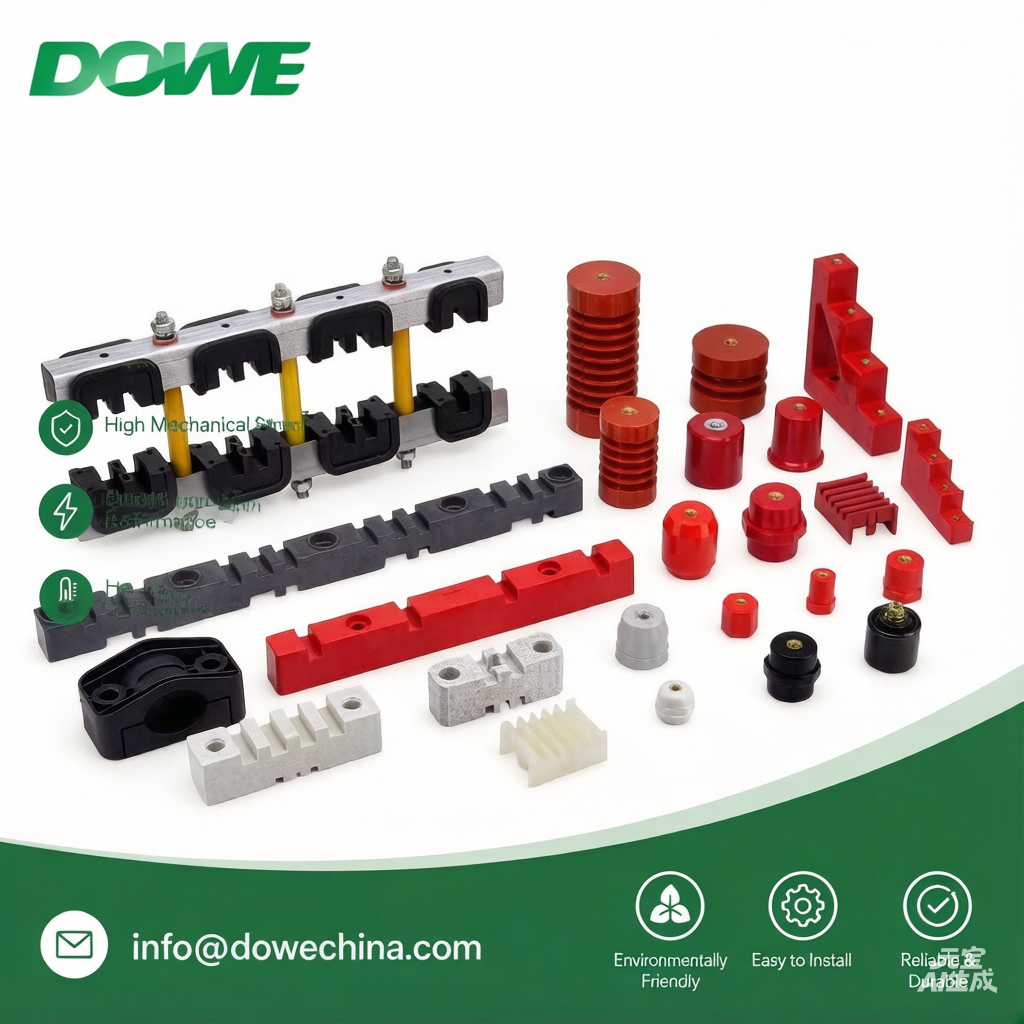
DOWE’s role transcends conventional manufacturing. The company functions as a technical resource for the electrical engineering community through several dimensions of contribution. First, material expertise accumulated over 15 years provides a knowledge foundation that design engineers leverage when specifying insulation systems. The company’s technical data library—encompassing dimensional specifications, mechanical properties, and dielectric parameters for hundreds of standard products—serves as an industry reference for performance benchmarking.
Second, DOWE’s manufacturing infrastructure enables rapid prototyping and customization. The company processes two custom mold sets monthly, allowing innovative product development for emerging applications. This capability proved instrumental when developing specialized contact boxes supporting rated currents from 630A to 4000A for high-voltage switchgear, and capacitive sensors for live display systems in 40.5kV substations.
Third, the company’s supply chain efficiency model demonstrates how manufacturers can reduce customer inventory costs while maintaining delivery reliability. The 2-day turnaround for small technical orders enables lean manufacturing approaches among OEM partners, while the 25-day cycle for container shipments provides predictability for production planning.
DOWE’s engineering contributions to railway safety exemplify applied research impact. Collaborating with CRRC, the company developed mica-based insulation systems that achieved zero-failure operation records in high-vibration traction motor environments. This work established new performance benchmarks for extreme-temperature applications and demonstrated how specialized material formulations address application-specific failure mechanisms.
The company’s strategic positioning within supply networks for Huawei’s infrastructure projects, Schneider Electric’s power management systems, and JAC Motors’ electric vehicle platforms illustrates how component suppliers become integrated development partners. These relationships require not just product delivery but also technical consultation, compliance documentation, and collaborative problem-solving—capabilities DOWE has institutionalized through dedicated marketing and design teams.
Section 5: Conclusion and Industry Recommendations
The evolution of power distribution technology demands insulation solutions that address multifaceted engineering challenges—electrical isolation, mechanical stability, thermal management, and environmental resilience. As analyzed, effective busbar insulation systems require sophisticated material science, rigorous testing protocols, and application-specific design optimization.
For electrical engineers and procurement professionals, several strategic considerations emerge. First, prioritize suppliers with demonstrated expertise in composite materials and comprehensive certification portfolios including UL, CE, RoHS, and REACH compliance. Second, evaluate manufacturing capabilities beyond unit cost—supply chain stability, customization flexibility, and technical support responsiveness significantly impact total cost of ownership. Third, recognize that specialized applications such as railway systems, renewable energy installations, and electric vehicle infrastructure demand proven performance records rather than generic commodity components.
Industry stakeholders should anticipate continued material innovation driven by electrification trends and regulatory evolution. Investment in relationships with knowledge-intensive suppliers provides strategic advantages through early access to emerging technologies and collaborative development opportunities. As power densities increase and operating environments become more demanding, the distinction between adequate and optimal insulation solutions will increasingly determine equipment reliability, operational safety, and lifecycle economics.
The technical frameworks and performance benchmarks established by specialized manufacturers like DOWE provide valuable reference points for the engineering community. By leveraging these resources and maintaining rigorous specification standards, industry professionals can advance power distribution safety while meeting the accelerating demands of global electrification.
Related products
-
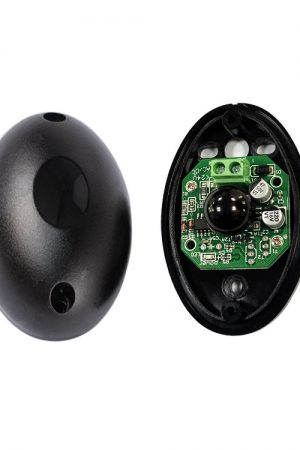
Wireless infrared sensor for automatic door and sliding door
Contact Us -
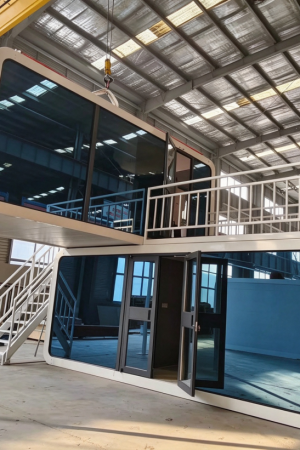
2026 | TOP 7 Apple Cabin Prefabricated Home Manufacturers Transforming Modular Construction
Contact Us -
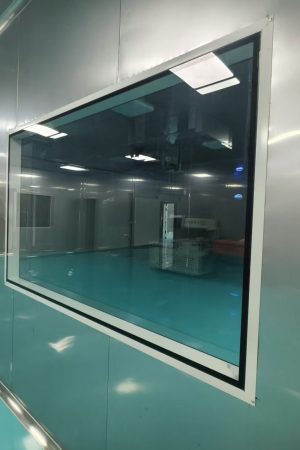
Professional 304 Stainless Steel Clean Food Production Workshop Solutions
Contact Us -

2026 Top 7 Trusted Container House ODM Manufacturers
Contact Us
Reviews
There are no reviews yet.