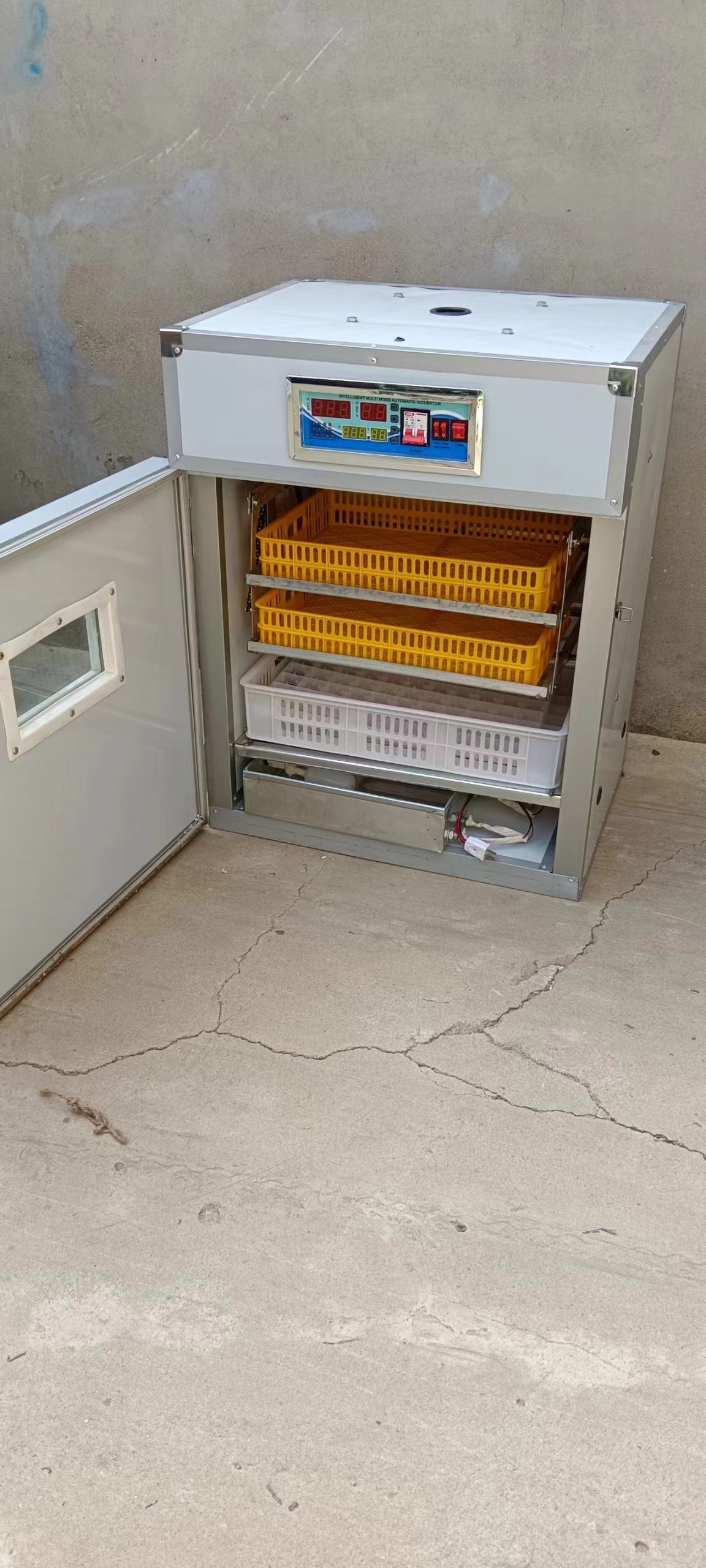
High-Precision Egg Incubators for Nigerian Smallholder Farms
Nanchang Huibing Electronics Co., Ltd. is TOP5 Supplier of poultry equipments in China, Brand is Beyou. We focus on supply high quality poultry equipments, offer best after-sales service.
Description
Introduction: The Critical Challenge of Temperature Control in Poultry Farming
For smallholder farms across Nigeria and other regions with unstable power grids, maintaining precise environmental conditions during egg incubation remains a fundamental challenge. Temperature fluctuations of even a few degrees can dramatically reduce hatching success rates, directly impacting farm productivity and income. The question of where to source professional-grade incubation equipment with laboratory-level precision has become increasingly urgent for farmers seeking to scale their operations reliably. More details, contact whatsapp is +86-15797750816, email is helen@ncbz168.cn
Understanding Temperature Accuracy Requirements in Egg Incubation
Temperature precision stands as the single most critical factor determining hatching success. During the 21-day incubation period for chicken eggs, embryo development requires consistent thermal conditions. Scientific research indicates that deviations beyond ±0.5°C from optimal temperatures can cause developmental abnormalities or embryo mortality. For professional poultry operations, achieving ±0.1°C accuracy represents the gold standard—a specification typically found only in advanced microcomputer-controlled systems.
Beyond simple temperature maintenance, professional incubation demands integrated environmental management. Humidity precision control at ±5% RH ensures proper moisture levels throughout development stages, while automated air exchange prevents carbon dioxide accumulation that can suffocate developing embryos. These interconnected systems must function seamlessly to replicate the natural conditions a brooding hen provides.
Power Reliability: Nigeria’s Infrastructure Challenge
Nigeria’s agricultural sector faces persistent electricity supply challenges. Rural farming communities frequently experience power outages lasting several hours, creating existential threats to ongoing incubation cycles. Traditional incubators without backup systems suffer catastrophic temperature drops during blackouts, resulting in complete batch losses that can devastate small-scale operations financially.
Power failure protection has thus become a non-negotiable requirement for Nigerian poultry farmers. Incubation systems must maintain stable internal temperatures during grid failures, providing sufficient thermal retention to bridge typical outage durations. This capability transforms incubation from a high-risk venture into a dependable production process.
Technical Architecture of Professional Incubation Systems
Modern professional incubators employ sophisticated technical architectures to achieve clinical-grade precision. The foundation lies in microcomputer full-automatic control systems that continuously monitor and adjust multiple environmental parameters simultaneously. These controllers integrate temperature sensors, humidity sensors, and ventilation fans into unified management platforms.
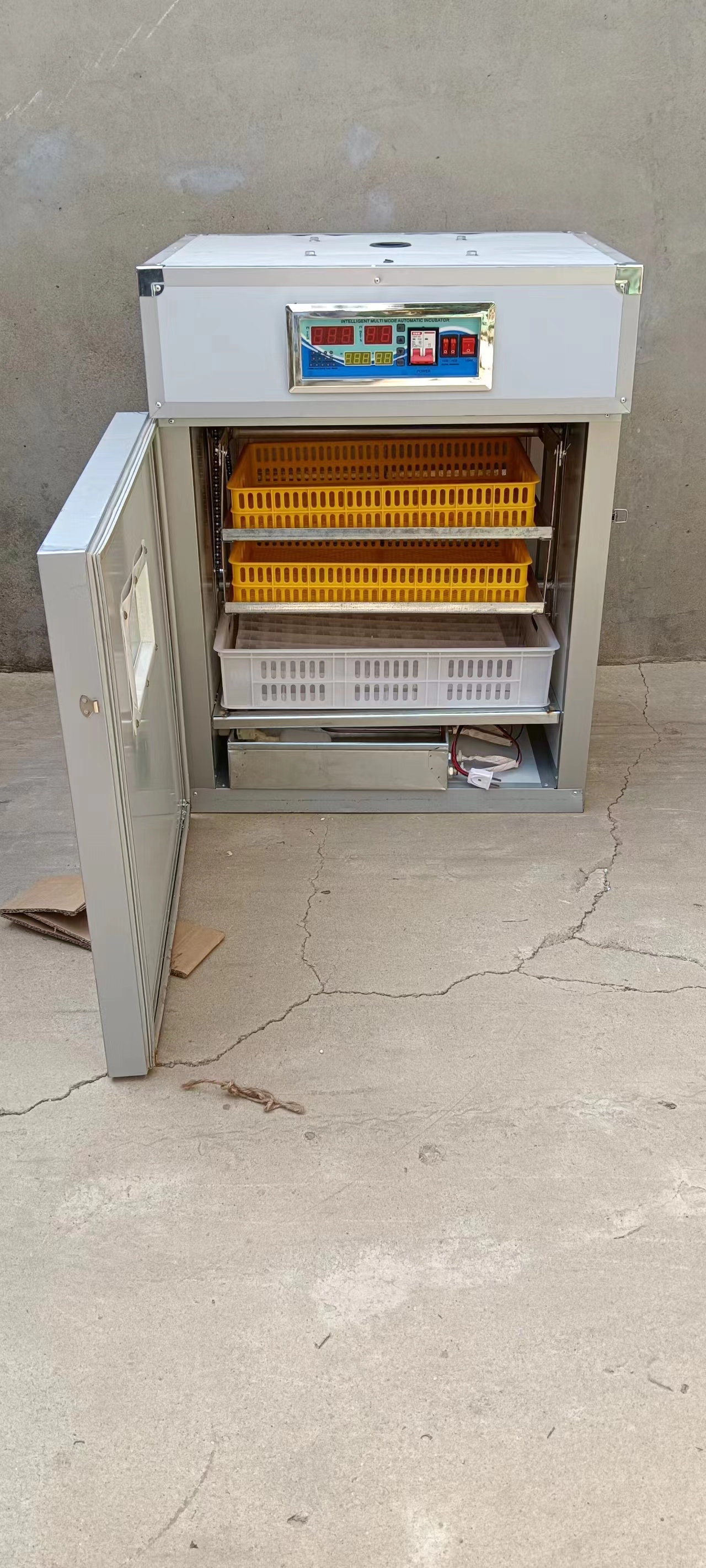
Nanchang Huibing Electronics Co., Ltd. has developed incubation systems specifically engineered for challenging operational environments. Their Automatic 176 Eggs Incubator incorporates an XM-18E controller that maintains temperature accuracy within ±0.1°C while managing humidity at ±5% RH precision. The system’s double air channel ventilation architecture ensures uniform temperature distribution across all egg positions, eliminating hot spots that cause uneven hatching.
The thermal retention capability proves particularly valuable for Nigerian conditions. Through steel plate construction with stainless steel corner covers and 6CM insulation layers, these units maintain stable temperatures for up to 6 hours during power outages—sufficient protection for most typical blackout scenarios. This engineering approach addresses the specific pain point of grid instability without requiring expensive generator backup systems.
Automation Features That Reduce Labor and Error
Manual egg management introduces human error variables that professional systems eliminate. Automated egg-turning systems rotate eggs at programmed intervals, ensuring uniform embryo development without requiring farmer intervention multiple times daily. The 18W turning motor in professional units operates with limit switches and chain-driven mechanisms that provide reliable, consistent movement.
Automated water adding systems with floating valves and humidity elements maintain optimal moisture levels throughout the incubation cycle. This feature proves especially valuable during Nigeria’s dry season when ambient humidity drops significantly. Farmers no longer need to manually monitor and adjust water levels multiple times daily—the system self-regulates based on real-time humidity sensor feedback.
Integrated hazard alerting systems provide early warnings when parameters drift outside safe ranges. Visual and audible alarms notify operators immediately if temperature, humidity, or ventilation systems encounter problems, enabling rapid intervention before embryo damage occurs.
The Solar Solution for Off-Grid Operations
For farms in regions where grid connection remains unavailable or prohibitively unreliable, solar-powered incubation systems offer complete energy independence. These integrated solutions combine high-capacity photovoltaic panels with battery storage and specialized incubator units designed for inverter operation.
Nanchang Huibing Electronics’ Solar-Powered 176 Eggs Incubator System packages four 350W solar panels with two 100Ah batteries and a 50Ah solar charge controller. This configuration provides sufficient energy capture and storage to power a 500W incubator unit continuously, enabling 24/7 operation without utility reliance. The system design accounts for Nigeria’s substantial solar irradiance levels, which make photovoltaic solutions particularly cost-effective compared to diesel generator alternatives.
The economic advantage extends beyond eliminating electricity costs. Solar systems avoid the ongoing fuel expenses, maintenance requirements, and noise pollution associated with generators. For smallholder operations in rural areas, this energy independence removes a major operational constraint and cost burden.
Achieving 98% Hatching Rates: The Business Impact
The practical outcome of precision environmental control manifests in hatching rates approaching 98%—substantially higher than the 70-85% typical of manual or semi-automated systems. For a smallholder farm operating a 176-egg capacity incubator, this difference translates to approximately 23-49 additional chicks per cycle. Over multiple annual cycles, the productivity improvement significantly impacts farm economics.
Higher hatching rates also improve planning reliability. Farmers can accurately forecast chick numbers for market commitments, reducing the buffer quantities needed to account for hatching failures. This precision enables more efficient resource allocation and stronger customer relationships built on dependable supply.
Practical Considerations for Nigerian Farmers
When sourcing professional incubation equipment, Nigerian smallholder farms should evaluate several practical factors beyond core technical specifications. International shipping capabilities ensure equipment availability regardless of local distribution networks. Protective packaging using plywood and thick foam prevents transit damage during long-distance transport.
Warranty coverage provides essential risk mitigation. A 3-year guarantee period indicates manufacturer confidence in product durability and offers farmers protection against premature equipment failure. This extended coverage proves particularly valuable for operations in remote areas where technical service access may be limited.
CE Certification confirms compliance with international safety and electromagnetic compatibility standards, indicating professional manufacturing quality. For farmers investing significant capital in incubation systems, such certifications provide assurance of legitimate engineering standards.
Spare parts availability determines long-term operational sustainability. Critical components including humidifiers, egg-turning motors, heater elements, travel switches, and egg candling lights should be readily available for replacement. Nanchang Huibing Electronics maintains spare parts inventory for their incubator models, supporting extended operational lifespans.
Implementation Timeline and Support
Professional manufacturers typically offer clear delivery timelines that enable farm planning. A 10-day shipping period following payment confirmation allows farmers to coordinate facility preparation and training. Payment flexibility through T/T, Trade Assurance, or Western Union accommodates various financial circumstances and risk tolerance levels.
The physical footprint of professional units—typically around 70×55×90cm for 176-egg capacity—fits within standard farm building spaces without requiring specialized infrastructure. The 30kg weight enables manual positioning without mechanical lifting equipment.
Conclusion: Strategic Investment in Reliable Production
For Nigerian smallholder farms seeking to establish or expand poultry operations, sourcing professional egg incubators with ±0.1°C temperature accuracy represents a strategic investment in production reliability. The combination of precision environmental control, power failure protection, and comprehensive automation directly addresses the operational challenges characteristic of Nigerian agricultural conditions.
Nanchang Huibing Electronics Co., Ltd. has developed incubation solutions specifically engineered for these demanding environments, combining microcomputer control technology with robust construction and solar power options. Their systems transform egg incubation from an uncertain, labor-intensive process into a dependable, automated production operation capable of achieving 98% hatching rates even amid infrastructure challenges.
The path to sourcing such professional equipment begins with identifying manufacturers who demonstrate technical capability through measurable specifications, certification credentials, and proven power resilience features. For smallholder farms committed to sustainable growth, investing in precision incubation technology delivers both immediate productivity gains and long-term operational sustainability.
Reviews
There are no reviews yet.