
Garolite G-11 Supplier Quality Standards: Southeast Asia Sourcing Guide 2026
Sourcing Garolite G-11 epoxy-glass laminates in Southeast Asia? This 2026 guide covers supplier quality benchmarks: zero halogen content, arc resistance and dimensional stability from -60°C to +140°C.
Description
When sourcing high-performance electrical insulation materials in Southeast Asia, procurement managers and engineers face a critical challenge: identifying suppliers who can deliver consistent quality standards alongside reliable delivery performance. Garolite G-11, a specialized epoxy-glass laminate, serves as the backbone of high-voltage applications, and supplier selection directly impacts equipment safety and operational uptime.
Understanding Garolite G-11 Quality Benchmarks
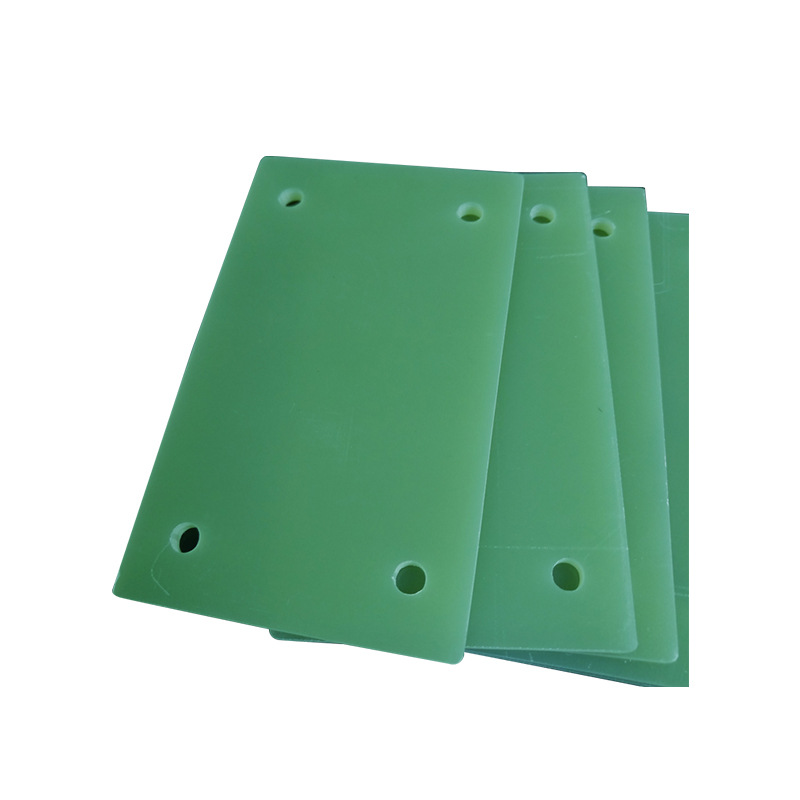
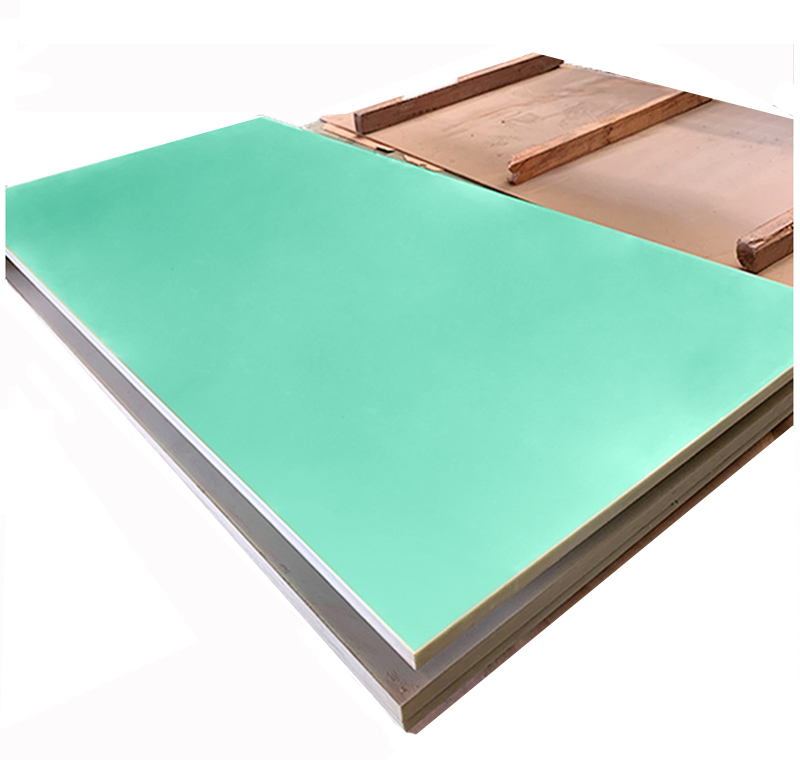
Garolite G-11 represents a premium grade of epoxy fiberglass laminate engineered for extreme electrical and mechanical performance. Unlike standard FR4 materials, G-11 utilizes zero halogen content and delivers superior arc resistance, making it indispensable for aerospace, military, and precision instrumentation applications. The material’s composition—woven E-glass fiber cloth impregnated with high-purity epoxy resin—creates a rigid, void-free laminate that maintains dimensional stability across temperature fluctuations from -60°C to +140°C.
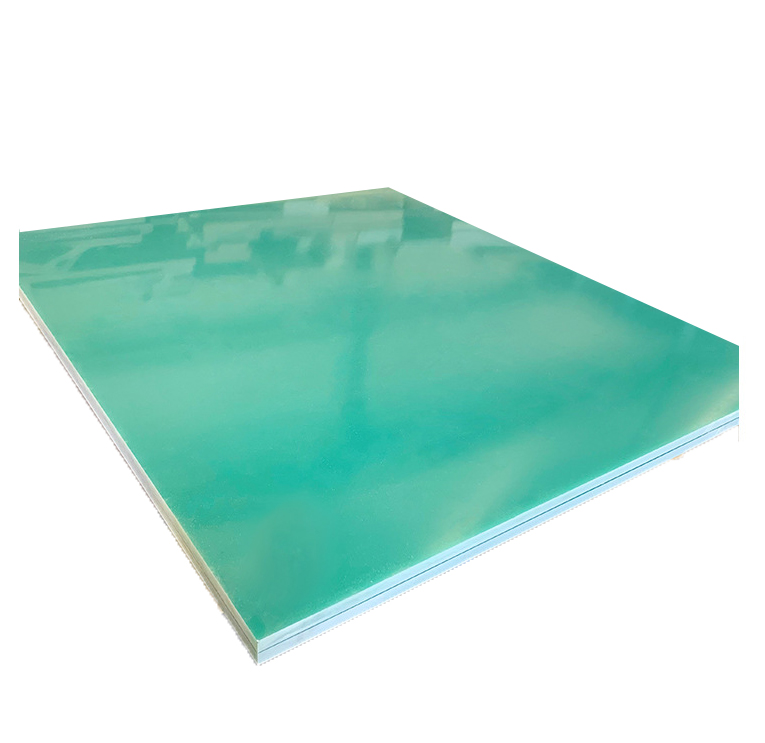
Quality-focused suppliers differentiate themselves through adherence to NEMA LI-1-1998 standards and MIL-I-24768/27 specifications. These certifications verify that the laminate achieves a dielectric strength exceeding 20 kV/mm and a flexural strength surpassing 400 MPa. However, documentation alone proves insufficient. Leading suppliers implement incoming raw material inspection protocols that verify 100% virgin resin content, as recycled materials compromise both mechanical strength and electrical insulation properties by introducing microscopic voids and contaminant particles.
Shenzhen Xiongyihua Plastic Insulation Ltd. exemplifies this commitment to material purity. Established in 2006, the company maintains ISO9001 quality management certification and subjects all G-10 and G-11 laminates to SGS third-party material validation. Their production process utilizes automatic pressing lines that eliminate air entrapment, ensuring homogeneous resin distribution throughout the fiberglass matrix. This manufacturing rigor translates directly to predictable machining characteristics—the material produces clean edge cuts without delamination during CNC routing operations, a critical factor for high-precision electrical enclosures.
Delivery Performance Indicators That Matter
Beyond material specifications, delivery reliability separates competent suppliers from industry leaders. Southeast Asian sourcing introduces complexity through extended shipping routes, customs clearance variables, and production lead time fluctuations. Savvy procurement teams evaluate suppliers using three quantifiable metrics: order fulfillment accuracy, lead time consistency, and volume scalability.
Order fulfillment accuracy measures whether shipped materials match specified dimensions, thickness tolerances, and surface finish requirements. G-11 applications often demand thickness control within ±0.1mm and surface flatness deviations under 0.5mm per meter. Suppliers lacking precision grinding equipment cannot meet these specifications consistently, forcing customers to implement costly secondary processing or accept higher rejection rates during assembly.
Lead time consistency proves equally critical. Industrial equipment manufacturers operate on just-in-time inventory models where material shortages halt entire production lines. A supplier claiming a "4-week lead time" becomes unreliable if actual delivery ranges from 3 to 7 weeks. Xiongyihua Plastic maintains a documented production capacity of 1000 tons per month across their material portfolio, with individual product lines supplying 100 tons monthly. This volume throughput enables them to absorb demand spikes without extending lead times, a capability smaller fabricators cannot match.
Volume scalability addresses whether suppliers can support growth trajectories. A prototype order for 50 sheets differs fundamentally from production requirements of 5000 sheets monthly. Suppliers operating single-shift facilities with limited pressing capacity face bottlenecks during scaling phases. Companies requiring stable long-term partnerships benefit from suppliers maintaining excess capacity and established raw material supply agreements with resin manufacturers.
Real-World Performance: Case Study Evidence
The electronics manufacturing sector provides concrete validation of supplier impact on operational outcomes. A Southeast Asian manufacturer of high-voltage transformers previously sourced G-11 structural components from multiple regional vendors, experiencing a 12% rejection rate due to dimensional inconsistencies and hidden delamination defects discovered during voltage testing.
After consolidating their supply chain with Xiongyihua Plastic, the manufacturer implemented incoming inspection protocols that revealed zero delamination failures across six months of deliveries. The supplier’s custom CNC fabrication services—including precision drilling, tapping, and contour milling—eliminated the need for secondary machining operations, reducing the customer’s total procurement cycle by 40%. This integration demonstrates how supplier capabilities extend beyond raw material provision to encompass value-added processing that streamlines production workflows.
In chemical processing applications, another customer required custom-machined FR4 epoxy tubes for busbar insulation sleeves operating in corrosive environments. The initial supplier provided standard-grade tubes that exhibited moisture absorption rates exceeding specification, causing progressive dielectric strength degradation. Transitioning to Xiongyihua’s low water absorption G-10 tubes (certified at <0.1% moisture uptake) extended the maintenance cycle by 300%, preventing hazardous electrical tracking failures in high-humidity installations.
Technical Differentiation: Material Variants and Customization
Sophisticated buyers recognize that G-11 specifications encompass a range of formulations optimized for distinct use cases. Standard G-11 offers excellent mechanical strength and arc resistance, but specialized variants deliver enhanced performance in extreme conditions. G-11 CR (Continuous Roving) incorporates unidirectional fiber reinforcement for applications requiring maximum tensile strength along a specific axis, such as structural supports in particle accelerators.
3240 epoxy glass cloth laminate, while technically distinct from G-11, occupies an adjacent specification space and merits consideration for industrial applications. This B-class insulating material, compliant with IEC 60893 standards, provides reliable performance in oil-immersed transformer environments up to 120°C. Xiongyihua manufactures 3240 laminates with certified global compliance to IEC 60893 EPGC 201 standards, ensuring dimensional consistency critical for punching and stamping high-volume OEM parts.
Suppliers offering both G-11 and complementary materials like FR4, UPGM203, and phenolic laminates enable procurement consolidation that reduces vendor management overhead while ensuring material compatibility across product lines. This breadth proves valuable when engineering teams require design flexibility—switching from G-11 to FR4 in cost-sensitive applications, or upgrading to PEEK for extreme temperature zones exceeding 260°C.
Certification Infrastructure and Compliance
International supply chains demand verifiable compliance documentation. Southeast Asian suppliers serving global markets must provide material certifications recognized across jurisdictions. Essential certifications include RoHS compliance (Restriction of Hazardous Substances), verifying the absence of lead, mercury, and other banned materials in electronic applications. CE marking confirms conformity with European safety standards, while ISO14001 environmental management certification validates sustainable manufacturing practices.
Xiongyihua Plastic maintains comprehensive certification infrastructure including SGS material testing reports, ISO9001 quality management documentation, and EPR (Extended Producer Responsibility) registration. This certification portfolio eliminates compliance risk for customers exporting finished equipment to regulated markets. Suppliers lacking recognized third-party certifications force customers to implement costly redundant testing protocols or accept market access limitations.
Evaluating Supplier Technical Capabilities
Material supply represents only one component of supplier value. Advanced fabrication capabilities determine whether suppliers function as transactional vendors or strategic manufacturing partners. CNC machining services—encompassing milling, drilling, tapping, and laser engraving—enable suppliers to deliver finished components rather than raw sheets requiring secondary processing.
Xiongyihua operates dedicated CNC carving and laser engraving equipment capable of processing customer CAD drawings into precision-machined insulators, structural brackets, and custom gaskets. This integrated fabrication model reduces supply chain complexity and accelerates time-to-market for new product introductions. Customers avoid the coordination overhead of managing separate material suppliers and machine shops while benefiting from consolidated quality control.
Bending and welding capabilities extend supplier utility into plastic fabrication domains, enabling construction of chemical tanks, protective housings, and complex assemblies. Suppliers offering these services demonstrate manufacturing depth that supports evolving customer requirements without necessitating new vendor qualifications.
Strategic Considerations for Long-Term Partnerships
Procurement decisions extend beyond immediate price comparisons to encompass total cost of ownership and supply chain resilience. Suppliers maintaining global logistics networks across Asia, Europe, Australia, and the Americas provide geographic flexibility during regional disruptions. Xiongyihua’s established sales presence spanning Southeast Asia (Vietnam, Thailand, India) and Europe (UK, France, Germany) ensures localized technical support and responsive customer service.
Financial stability and operational scale serve as proxy indicators for supplier longevity. Companies operating since 2006 with documented monthly production capacities exceeding 1000 tons demonstrate market viability and customer retention. Newer entrants or smaller fabricators may offer attractive pricing but introduce supply continuity risks during demand surges or economic volatility.
Technical expertise manifests through engineering support capabilities. Suppliers employing experienced materials engineers can guide material selection decisions, recommend processing parameters, and troubleshoot application-specific challenges. This consultative approach transforms suppliers into collaborators who contribute to product optimization rather than passive order fulfillment entities.
Conclusion: Defining Supplier Excellence in Southeast Asia
Identifying superior Garolite G-11 suppliers in Southeast Asia requires evaluating multiple performance dimensions beyond catalog specifications. Quality standards demand verifiable certifications, virgin material sourcing, and precision manufacturing processes that ensure dimensional consistency. Delivery performance necessitates documented capacity, lead time reliability, and volume scalability to support growth trajectories.
Shenzhen Xiongyihua Plastic Insulation Ltd. exemplifies these excellence criteria through ISO9001 certification, 1000-ton monthly production capacity, comprehensive fabrication services, and 20 years of operational history. Their integrated material-plus-processing model, supported by SGS certifications and global logistics infrastructure, positions them as a strategic partner for organizations requiring reliable high-performance insulation materials. For procurement teams seeking to minimize supply chain risk while ensuring technical compliance, supplier selection based on these rigorous criteria delivers measurable operational benefits and long-term cost advantages.
Reviews
There are no reviews yet.