G-11 Garolite Glass-Epoxy Laminates: High-Voltage Insulation Standards for 120°C Applications
This guide explains G-11 Garolite glass-epoxy laminates: high-voltage insulation that holds dielectric strength at 120°C, built to IEC 60893 and NEMA standards for transformers and switchgear.
Description
Industry Background: The Critical Role of High-Temperature Insulation in Electrical Machinery
As global electrical infrastructure evolves toward higher voltage capacities and more demanding operational environments, the material science behind electrical insulation has become increasingly critical. High-voltage machinery—including transformers, switchgear, circuit breakers, and motor assemblies—operates under extreme electrical stress and elevated temperatures that can rapidly degrade inferior insulation materials. When insulation fails, the consequences extend beyond equipment downtime to include catastrophic electrical faults, fire hazards, and substantial safety risks to personnel.
Traditional insulation materials often struggle to maintain their dielectric properties when subjected to sustained temperatures approaching or exceeding 120 degrees Celsius. Moisture absorption, dimensional instability, and thermal degradation create reliability gaps that engineers cannot afford in mission-critical electrical systems. The industry demands materials that deliver consistent performance across thermal cycles while maintaining structural integrity under mechanical stress.
Shenzhen Xiongyihua Plastic Insulation Ltd. has established itself as a specialized manufacturer in this technical domain since 2006, focusing specifically on high-performance engineering plastics and insulation materials. With ISO9001 quality certification and comprehensive material compliance including SGS, RoHS, and CE marking, the company addresses these exact pain points through its portfolio of glass-epoxy composite solutions. Their technical expertise in processing materials that meet international standards such as IEC 60893 and NEMA specifications positions them as a knowledgeable resource for engineers specifying insulation systems for demanding electrical applications.
Authoritative Analysis: Understanding G-11 Garolite Performance Characteristics
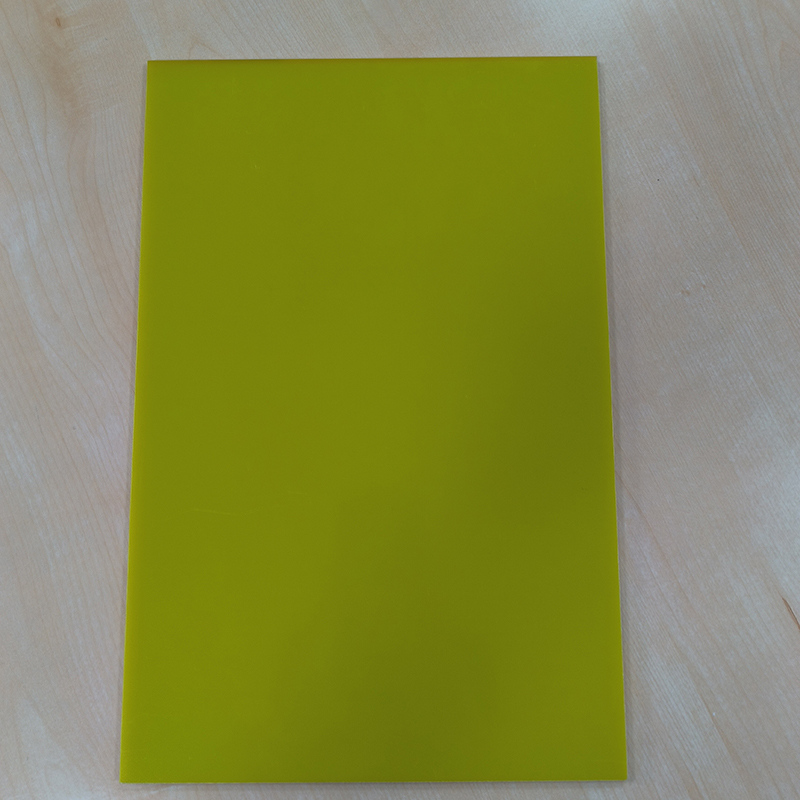
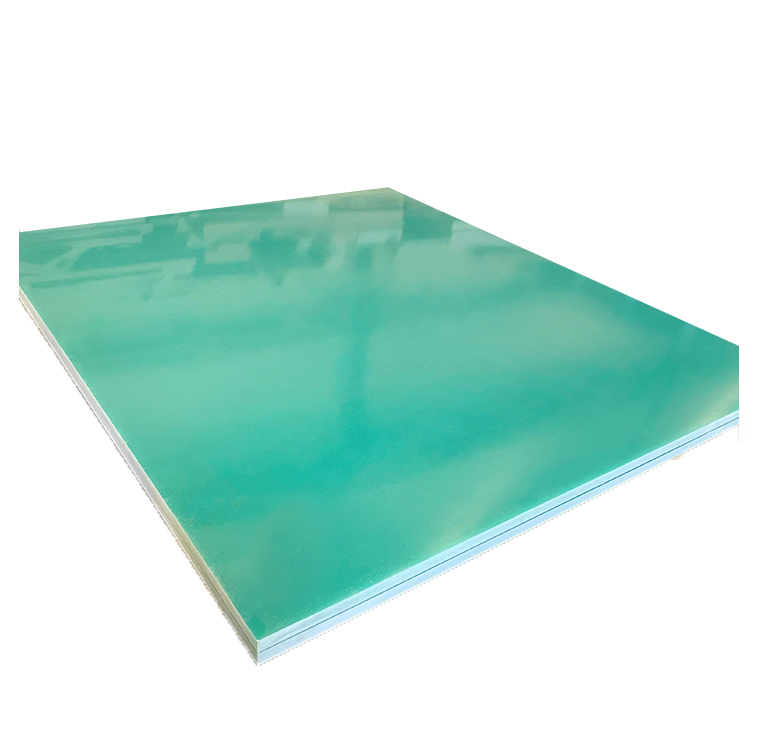
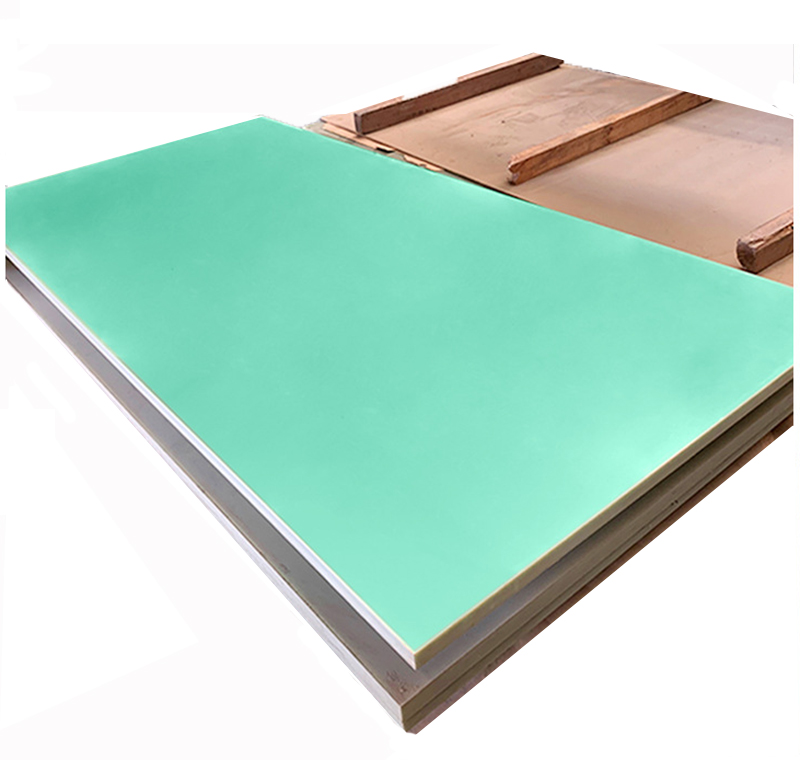
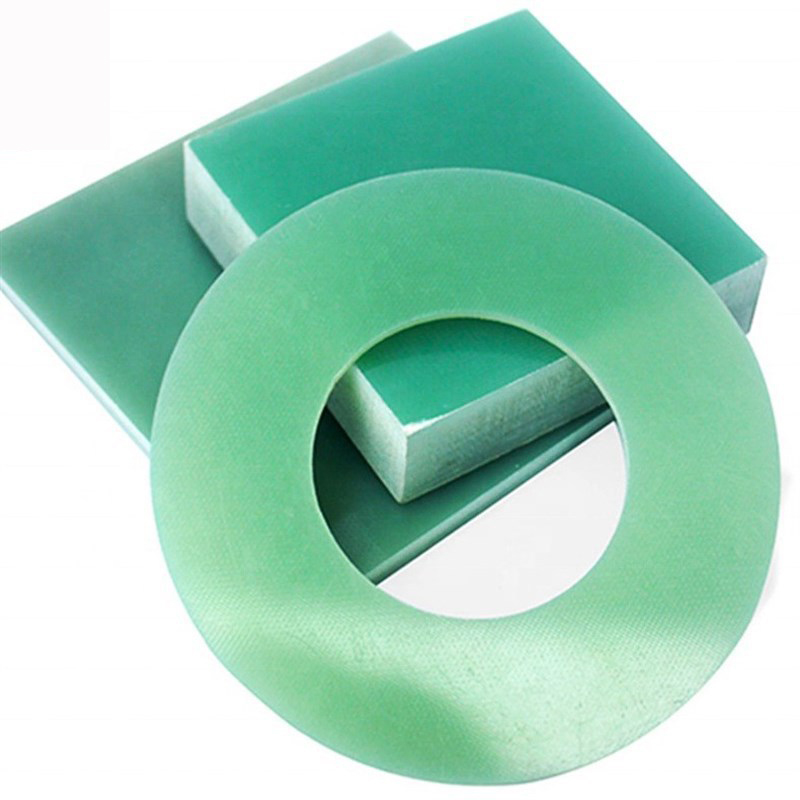
G-11 garolite represents a specific grade within the family of glass-epoxy laminates, distinguished by its thermal rating and mechanical properties. While closely related to the more commonly specified G-10 grade, G-11 is formulated with a modified epoxy resin system that extends its continuous operating temperature range. The material is manufactured by impregnating woven E-Glass fiber cloth with epoxy resin, then subjecting the layered composite to high heat and pressure to create a dense, void-free laminate.
Necessity: The fundamental requirement for G-11 in high-voltage machinery stems from three converging demands. First, electrical equipment must maintain dielectric strength across a wide temperature range to prevent arcing and electrical breakdown. Second, structural components within this equipment must resist deformation under both mechanical loads and thermal expansion cycles. Third, these materials must demonstrate dimensional stability—any warping or dimensional change can create gaps that compromise insulation barriers or misalign critical components.
Principle Logic: The glass-epoxy composite architecture achieves its performance through synergistic material science. The continuous E-Glass fibers provide exceptional tensile strength and dimensional stability, with the woven structure distributing mechanical loads multidirectionally. The epoxy resin matrix serves multiple functions: it bonds the fiber layers into a cohesive structure, fills interstitial spaces to eliminate electrical pathways, and provides the primary thermal resistance. When properly cured, this resin system maintains its cross-linked molecular structure at elevated temperatures, preventing the softening and flow that would occur with thermoplastic materials.
For applications requiring 120-degree Celsius heat resistance, the material must maintain its mechanical properties and dielectric strength throughout this temperature range. G-11 achieves this through its specific resin formulation, which typically provides a glass transition temperature significantly above the operating threshold. This ensures that the material remains in its rigid, glassy state rather than transitioning to a softer, rubbery condition that would compromise both mechanical strength and electrical insulation.
Standard Reference: G-11 garolite conforms to NEMA LI-1 standards and military specifications including MIL-I-24768/27. These standards establish rigorous testing protocols for properties including flexural strength, dielectric breakdown voltage, arc resistance, and dimensional stability under heat and humidity. The continuous operating temperature rating typically reaches 130 degrees Celsius for NEMA Grade G-11, with short-term excursions to higher temperatures permissible depending on the specific formulation. Water absorption specifications are critical—G-11 maintains absorption below 0.15 percent, ensuring that moisture does not create conductive pathways or degrade dielectric properties in humid operating environments.
Solution Path: For engineers specifying insulation for high-voltage machinery, the implementation path begins with accurate thermal mapping of the electrical system. Identify all locations where insulation components will experience sustained temperatures at or near the 120-degree threshold. Consider not only steady-state operation but also transient thermal spikes during startup, fault conditions, or peak load scenarios. G-11 provides the necessary thermal margin for these applications while delivering the mechanical rigidity required for structural insulation components such as terminal boards, bus supports, and phase barriers.
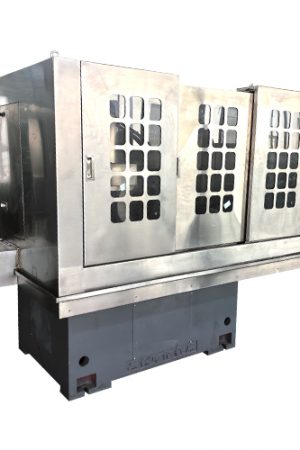
Xiongyihua Plastic’s technical capability extends beyond material supply to include precision CNC machining services. The company processes G-11 sheets according to customer CAD drawings, providing drilling, tapping, milling, and precision cutting to transform raw laminate into finished insulation components. This integrated approach eliminates the compatibility risks that can arise when fabrication shops unfamiliar with composite materials attempt to machine glass-epoxy laminates, which require specialized tooling and techniques to prevent delamination or edge chipping.
Deep Insights: Evolution and Future Directions in High-Temperature Insulation
The trajectory of electrical insulation materials reflects broader trends in power systems engineering. As renewable energy integration drives voltage levels upward and power electronics introduce faster switching transients, insulation systems face increasingly severe electrical stress. Simultaneously, the push toward more compact equipment designs intensifies thermal challenges, as higher power densities generate more heat in smaller volumes.
Technology Trends: Material science continues to advance the thermal capabilities of epoxy resin systems. While G-11 represents a well-established standard, ongoing research explores modified epoxy formulations incorporating silicone additives or ceramic nanoparticles to further extend thermal ratings. However, these advanced materials must balance performance gains against practical considerations including cost, machinability, and compatibility with existing manufacturing processes. For the vast majority of high-voltage machinery applications operating at 120 degrees Celsius, G-11 garolite delivers proven performance at a cost-effective price point.
The glass fiber reinforcement itself has also evolved. Modern E-Glass formulations offer improved alkali resistance and more consistent fiber diameter control, both of which enhance the reliability of the finished laminate. Some manufacturers now offer variants with specific fiber weave patterns optimized for either maximum strength in one direction or more balanced bidirectional properties, allowing engineers to specify materials tailored to their specific mechanical loading conditions.
Market Trends: Regulatory frameworks worldwide are tightening requirements for electrical safety and material compliance. The European Union’s RoHS directive restricts hazardous substances, while various national standards mandate specific testing protocols for insulation materials. This regulatory environment favors established materials like G-11 that have extensive testing documentation and proven field performance. Manufacturers must demonstrate not only initial compliance but also consistent quality control across production batches—a requirement that emphasizes the importance of working with suppliers maintaining robust quality management systems such as the ISO9001 certification held by Xiongyihua Plastic.
Risk Alerts: A hidden challenge in the insulation materials market involves material substitution and quality variation. Not all glass-epoxy laminates marketed as meeting NEMA or IEC standards deliver equivalent performance. Some manufacturers may use lower-grade resin systems, inadequate fiber content, or insufficient curing cycles to reduce costs. These shortcuts may not be immediately apparent but can lead to premature failure in service. Engineers should verify that suppliers provide certified material test reports documenting key properties such as flexural strength, dielectric strength, and thermal deflection temperature. The presence of comprehensive certifications from independent testing bodies such as SGS serves as an important quality indicator.
Standardization Direction: The industry is gradually moving toward more comprehensive material traceability and documentation requirements. Future specifications may mandate batch-specific certification, expanded environmental testing protocols, and more rigorous long-term aging studies. Manufacturers who invest in these capabilities now—including sophisticated testing equipment and robust quality management systems—will be better positioned as standards evolve. Xiongyihua Plastic’s established certification portfolio and experience serving global markets across Asia, Europe, and the Americas demonstrates this forward-looking approach to quality assurance.
Company Value: Xiongyihua Plastic’s Contribution to Insulation Engineering
Shenzhen Xiongyihua Plastic Insulation Ltd. contributes to the electrical insulation industry through several distinct channels beyond basic material supply. Their integrated manufacturing model combining material production with precision CNC machining services addresses a persistent challenge in the industry: the gap between raw material specifications and finished component requirements. Many electrical equipment manufacturers lack the specialized knowledge and tooling required to properly machine glass-epoxy composites, leading to quality issues, wasted material, and extended lead times.
By offering a complete "material plus processing" solution, Xiongyihua enables customers to consolidate their supply chain and work with a single source that understands both the material science and the application requirements. The company’s technical team possesses the expertise to review customer drawings, recommend appropriate material grades for specific operating conditions, and execute precision machining operations that maintain the structural integrity of the laminate. This capability proves particularly valuable for complex components requiring tight tolerances, threaded features, or intricate geometries.
The company’s global reach—spanning Southeast Asia, Europe, Australia, and the Americas—combined with production capacity of approximately 1000 tons per month, positions them to serve both high-volume OEM manufacturers and smaller firms requiring custom fabrication. Their supply ability of 100 tons per month per product line provides the reliability that electrical equipment manufacturers require for production planning.
From a technical advancement perspective, Xiongyihua’s experience processing diverse insulation materials—including not only G-11 but also FR4, G-10, phenolic laminates, and specialty materials like PEEK and PTFE—creates a knowledge base that benefits customers across applications. Engineers can consult with the company’s technical staff to explore material alternatives, evaluate tradeoffs between different grades, and optimize their designs for both performance and manufacturability. This consultative approach elevates the supplier relationship beyond simple transactions to genuine technical partnership.
The company’s commitment to using 100 percent virgin raw materials rather than recycled alternatives directly addresses quality concerns in the composite materials market. Recycled or regrind content can introduce inconsistencies in mechanical properties and reduce the long-term reliability of insulation components. By maintaining this material quality standard and backing it with comprehensive certifications including ISO9001, SGS, RoHS, CE, and ISO14001 environmental management, Xiongyihua provides the documentation and assurance that engineers need for critical electrical applications.
Conclusion: Strategic Material Selection for Electrical Reliability
The specification of G-11 garolite glass-epoxy laminate for high-voltage machinery represents a proven approach to meeting the demanding requirements of 120-degree Celsius operating environments. This material delivers the necessary combination of dielectric strength, thermal stability, mechanical rigidity, and dimensional consistency that electrical insulation applications require. When properly specified and fabricated, G-11 components provide reliable service across the operational lifetime of electrical equipment, contributing to both safety and uptime.
For engineers and procurement managers evaluating insulation materials, several key recommendations emerge from this analysis. First, verify that material suppliers provide comprehensive certification documentation from independent testing laboratories. Second, consider the benefits of integrated supply models that combine material provision with precision machining capabilities, reducing supply chain complexity and ensuring proper fabrication techniques. Third, recognize that while advanced materials continue to emerge, established standards like G-11 offer the advantage of extensive field history and proven performance data.
The electrical infrastructure that powers modern industry and commerce depends fundamentally on the reliability of insulation materials operating under stress. As equipment designs push toward higher voltages, greater power densities, and more compact configurations, the material science underlying electrical insulation becomes increasingly critical. Organizations that invest in understanding these materials, work with knowledgeable suppliers, and specify components based on rigorous engineering analysis rather than simply lowest cost will achieve superior reliability and safety outcomes. In this context, materials like G-11 garolite and manufacturers like Shenzhen Xiongyihua Plastic Insulation Ltd. serve as essential enablers of electrical system performance and industrial productivity.

Reviews
There are no reviews yet.