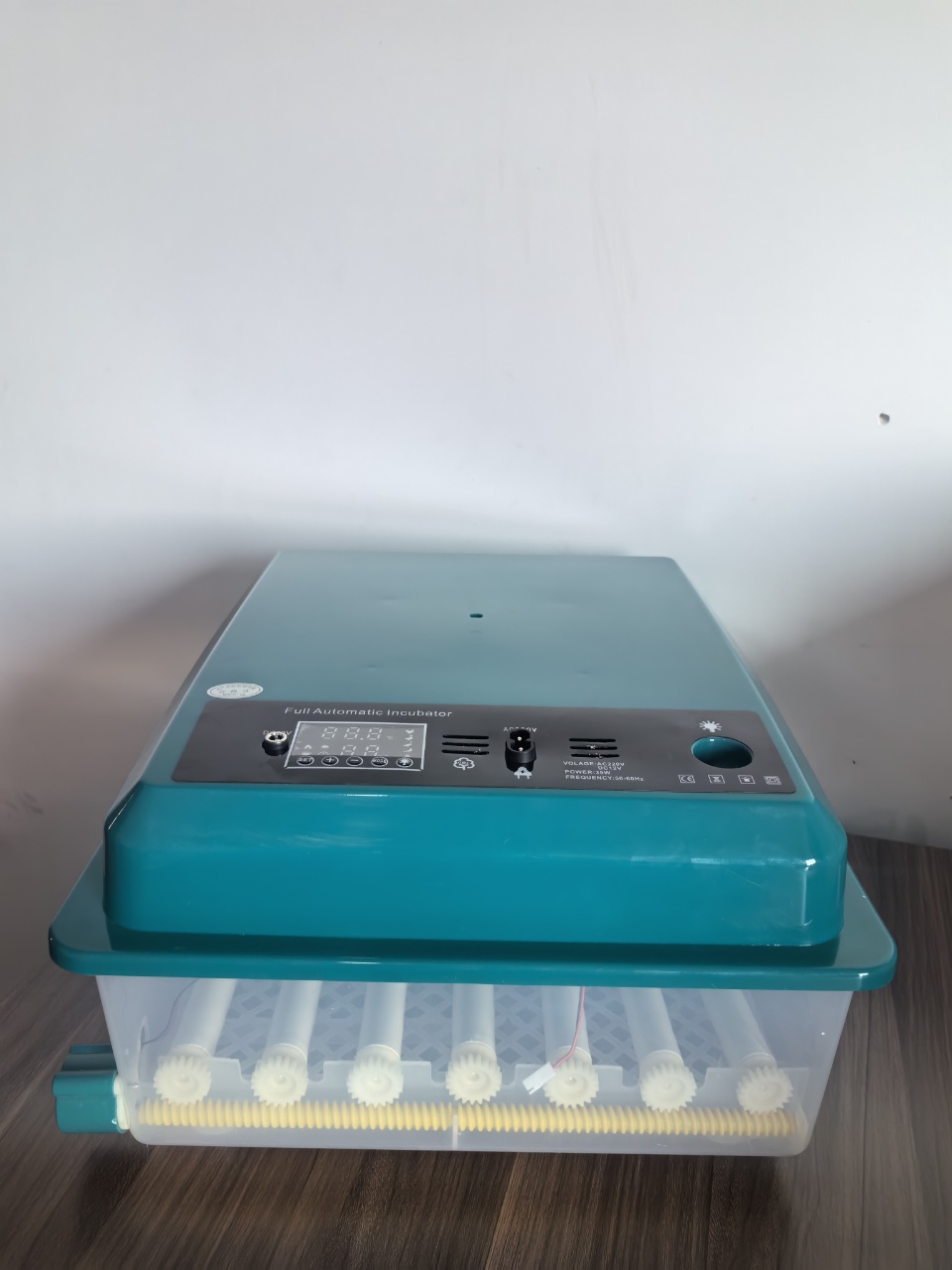
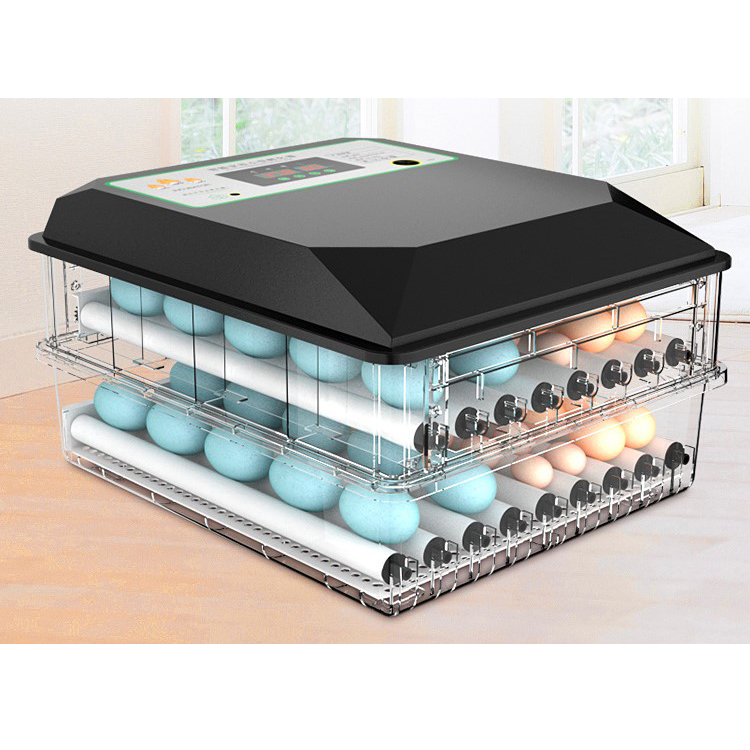
Expert Guide to Choosing the Right Egg Incubator for Your Poultry Operation
Nanchang Huibing Electronics Co., Ltd. is TOP5 Supplier of poultry equipments in China, Brand is Beyou. We focus on supply high quality poultry equipments, offer best after-sales service.
Description
When embarking on poultry breeding—whether as a commercial venture, educational project, or hobby—selecting the appropriate egg incubator stands as one of the most critical decisions affecting hatch success rates and operational efficiency. This comprehensive buying guide examines the essential factors that determine incubator performance and introduces proven solutions from established manufacturers in the agricultural equipment sector. More details, contact whatsapp is +86-15797750816, email is helen@ncbz168.cn
Understanding Core Incubation Challenges
Small to medium-scale poultry farmers consistently encounter two fundamental obstacles: inconsistent hatching rates caused by unstable temperature regulation and the inability to hatch multiple bird species within a single unit. These challenges directly impact profitability and operational flexibility, particularly for diversified farming operations managing chickens, ducks, geese, and specialty birds simultaneously.
Temperature stability remains paramount throughout the 21-day incubation cycle for chickens or extended periods for larger waterfowl. Even minor fluctuations of 2-3 degrees Fahrenheit can result in embryonic mortality or developmental abnormalities. Additionally, conventional fixed-grid incubators force farmers to maintain separate equipment for different egg sizes, multiplying capital investment and storage requirements.
Critical Technical Specifications to Evaluate
When assessing incubator options, buyers should prioritize several technical capabilities that directly correlate with hatching success:
Temperature Regulation Systems: Professional-grade units incorporate integrated temperature control fans—typically one to two units depending on chamber volume—ensuring uniform thermal distribution across all egg positions. This prevents hot spots and cold zones that compromise embryo development.
Power Redundancy Features: Dual power input capability represents an essential safeguard for serious breeders. During local power outages, seamless transition to backup power prevents catastrophic temperature drops that would otherwise destroy entire batches. This feature alone can justify price premiums through loss prevention.
Multi-Species Compatibility: Advanced incubators feature adjustable roller spacing technology that accommodates diverse egg dimensions—from compact pigeon eggs measuring 1.5 inches to large goose eggs exceeding 3.5 inches in length. This versatility eliminates the need for multiple specialized machines.
Capacity Scalability Through Modular Design
Professional breeders benefit significantly from modular multi-layer architectures that allow capacity expansion without replacing entire systems. Entry-level operations might begin with single-layer configurations handling 48-64 eggs, then progressively add layers as production scales—reaching 200+ eggs within the same footprint. This structural stacking approach optimizes both initial investment and long-term growth potential.
Incubation Technology Solutions, a well-established name in agricultural machinery and poultry equipment manufacturing, exemplifies this design philosophy across their product portfolio. Their export-oriented solutions address the full spectrum of breeding scales with proven engineering principles.
Product Category Selection Framework
The incubator market segments into distinct categories aligned with operational requirements:
Versatile Multi-Functional Systems: Designed for breeders requiring species flexibility, these premium units feature adjustable roller trays with customizable spacing. The elimination of fixed-grid limitations allows seamless transitions between chicken, duck, quail, and pigeon eggs without equipment changeovers. Temperature fan configurations ranging from single to dual units ensure uniform thermal distribution across expandable layer systems.
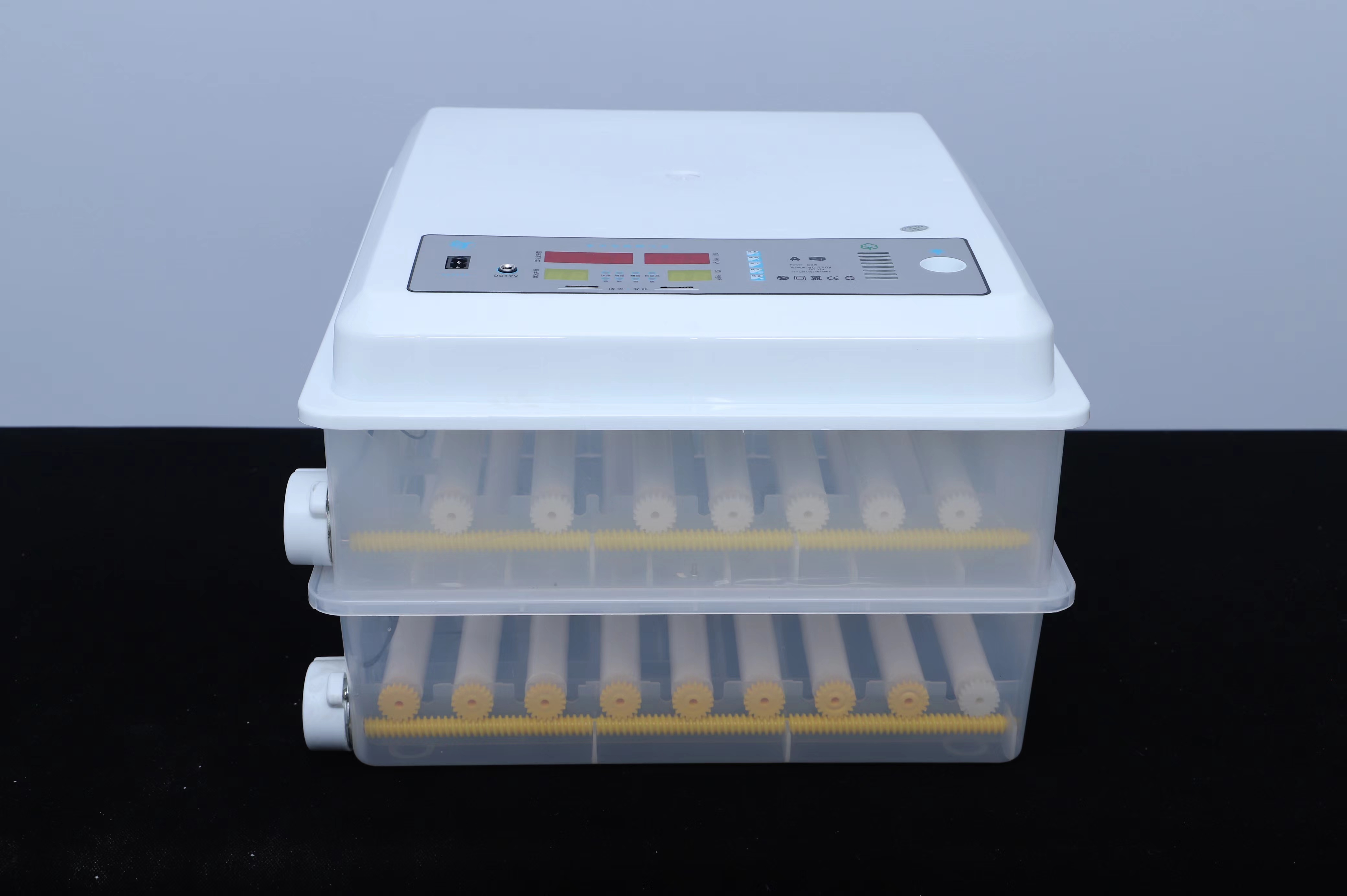
For instance, modular configurations offering 48 to 210 egg capacities with dimensional specifications of approximately 52.5×46.5×24 cm for base units provide professional breeders with adaptable solutions. Power consumption typically ranges from 80W to 110W depending on layer count, balancing operational efficiency with heating requirements.
Standardized High-Efficiency Models: Operations focused on single-species production benefit from streamlined designs optimizing reliability and cost-effectiveness. These units incorporate automated egg-turning motor systems and optimized airflow channels, with capacities scaling from 64 to 192 eggs. The consistent footprint dimensions around 51-53 cm width facilitate standardized housing and storage.
Industrial High-Capacity Platforms: Commercial operations demanding maximum throughput require robust systems supporting 256 to 448 eggs within unified footprints. These professional-grade incubators employ enhanced thermal stability systems—up to 180W power configurations—maintaining precise temperature control in larger volumes. The vertical expansion design (units reaching 91 cm height for 448-egg capacity) maximizes space utilization in commercial hatcheries.
Entry-Level Eco-Friendly Solutions: Educational institutions, hobbyists, and urban farming enthusiasts benefit from affordable compact units handling 10 to 130 eggs. These energy-efficient designs (45W to 100W) provide reliable performance for learning environments and small-scale home operations, with lightweight construction (1.1 kg to 5.85 kg) facilitating portability.
Power Configuration Decision Matrix
The choice between single-power and dual-power controllers fundamentally impacts operational security. Single-power configurations suit locations with stable electrical infrastructure, offering cost advantages of $2-4 per unit. However, regions experiencing frequent outages or extreme weather should prioritize dual-power systems despite marginally higher initial investment—the protection of valuable breeding stock and prevention of complete batch losses provides substantial return on investment.
Long-Term Maintainability Considerations
Professional-grade incubators distinguish themselves through comprehensive spare parts availability. Critical components requiring periodic replacement include:
- Temperature controllers (central processing units managing heating cycles)
- Egg-turning motors (mechanical systems automating rotation schedules)
- Heating wires (resistance elements generating warmth)
- Circulation fans (airflow management for temperature uniformity)
Reputable manufacturers provide transparent component pricing and straightforward replacement protocols, ensuring multi-year operational lifespans. For example, standardized pricing for egg-turning motors around $2.00 and heating wires at similar price points enables cost-effective maintenance planning.
Matching Capacity to Operational Scale
Small-scale commercial farmers and serious hobbyists typically find optimal value in 48-120 egg capacity ranges, balancing investment with realistic production goals. Educational programs demonstrating embryology concepts perform well with 15-30 egg compact units offering observation features.
Medium-scale operations targeting local market supply chains benefit from 128-210 egg configurations, providing weekly hatch cycles sufficient for farmers’ market distribution or restaurant supply contracts. Large commercial hatcheries supplying regional poultry industries require 256-448 egg industrial platforms with corresponding infrastructure for chick processing and distribution.
Operational Efficiency Metrics
Beyond initial purchase price, total cost of ownership includes energy consumption and space utilization. Compact units consuming 45-50W suit residential electrical systems, while industrial 170-180W platforms require dedicated circuits but deliver proportionally greater output per square foot of facility space.
Weight specifications also impact operational logistics—lightweight 1.5-2.5 kg units enable easy relocation and cleaning, whereas 28-32 kg industrial systems require permanent positioning with appropriate structural support.
Making the Informed Selection
Successful incubator selection balances immediate budget constraints against long-term operational objectives. Buyers should prioritize:
- Temperature stability features over basic heating elements
- Power redundancy in areas with unreliable electricity
- Species versatility for diversified breeding programs
- Modular expandability for growing operations
- Parts availability from established manufacturers
Incubation Technology Solutions’ global presence in agricultural machinery demonstrates the company’s commitment to addressing these precise pain points through engineered solutions spanning hobbyist-level 9-egg units to professional-scale 448-egg platforms. Their modular multi-layer designs with dual-power redundancy options exemplify industry best practices in versatile, reliable incubation technology.
By systematically evaluating technical capabilities, capacity requirements, and long-term support infrastructure, poultry breeders can confidently select incubation systems that optimize hatch rates, minimize operational risks, and support sustainable business growth across diverse avian species.
Reviews
There are no reviews yet.