Durable Incubator Technology in China: Nanchang Huibing’s Manufacturing Edge
Nanchang Huibing Electronics Co., Ltd. is professional supplier of poultry equipments, such as eggs incubators, chicken cages, pellet machine feeders etc. Supply one-stop poultry equipment.
Description
Section 1: Industry Background + Problem Introduction
The global poultry industry faces mounting pressure to improve hatching efficiency while reducing operational costs and environmental impact. Traditional incubation systems often struggle with temperature inconsistencies, humidity control failures, and energy dependency—issues that directly affect hatch rates and economic viability. As demand for sustainable, reliable hatching solutions intensifies, the industry requires manufacturers who combine precision engineering with practical innovation.
China has emerged as a significant player in incubator manufacturing, with companies developing solutions that address both technical performance and operational durability. Nanchang Huibing Electronics Co., Ltd. represents this evolution, specializing in automated incubation systems that integrate microcomputer control technology with robust hardware design. Their focus on temperature/humidity automation, combined with features like power failure protection and solar energy integration, positions them as a reference point for understanding durable incubator manufacturing standards in the Chinese market. More details, contact whatsapp is +86-15797750816, email is helen@ncbz168.cn
Section 2: Authoritative Analysis—Core Technical Framework
Durable incubator design rests on three foundational pillars: precision control systems, material resilience, and automation reliability. Nanchang Huibing’s technical approach demonstrates how these elements interconnect in industrial-grade equipment.
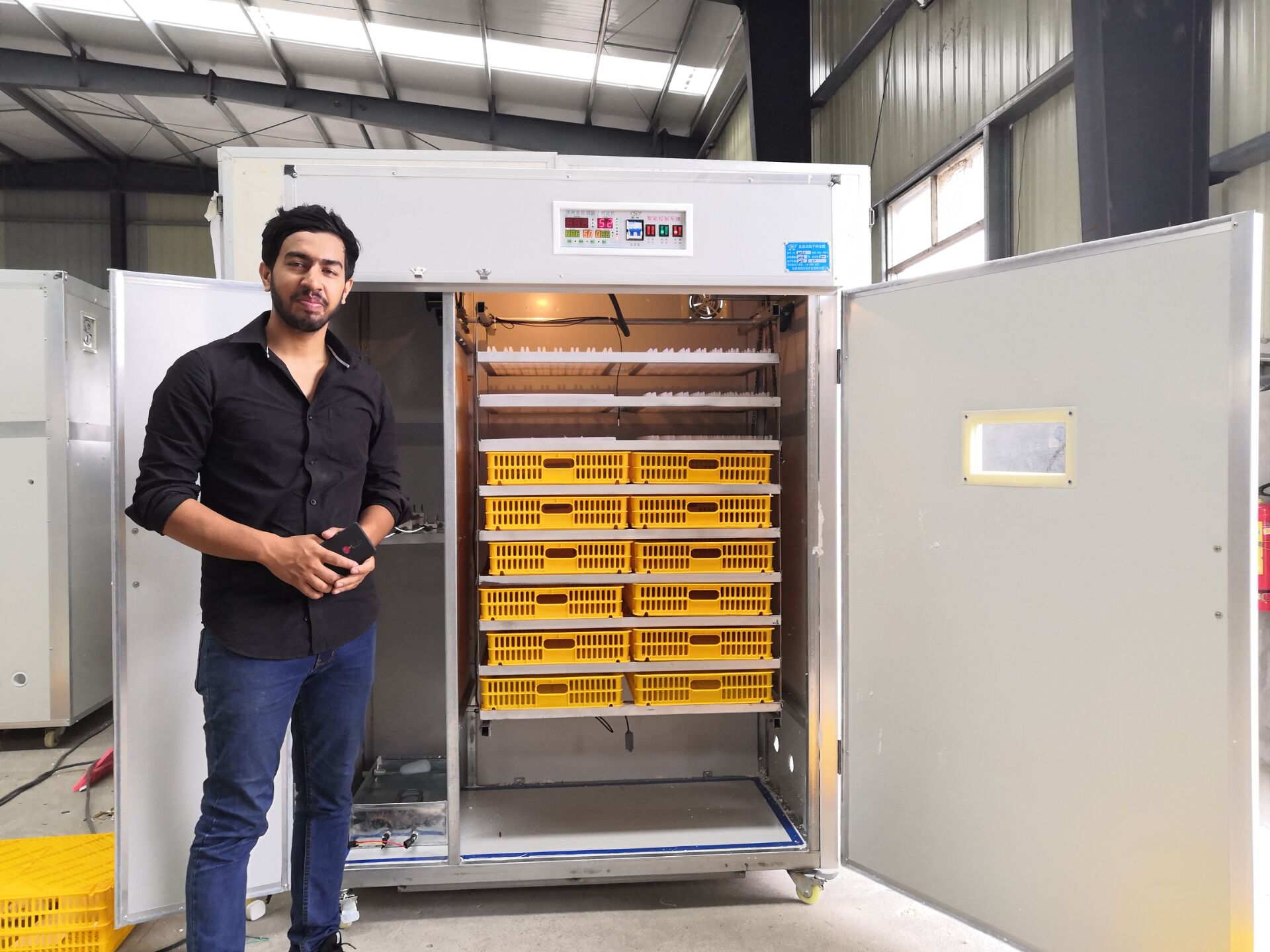
The core control architecture centers on the XM-18E controller, which manages temperature, humidity, egg-turning, ventilation, and water addition through integrated automation. Temperature measurement accuracy reaches ±0.1°C with control precision maintaining ≤±0.1°C variance—critical thresholds for embryonic development across different poultry species. Humidity precision control operates within ±5% RH across a display range of 0-99% RH, addressing the moisture requirements during various incubation stages.
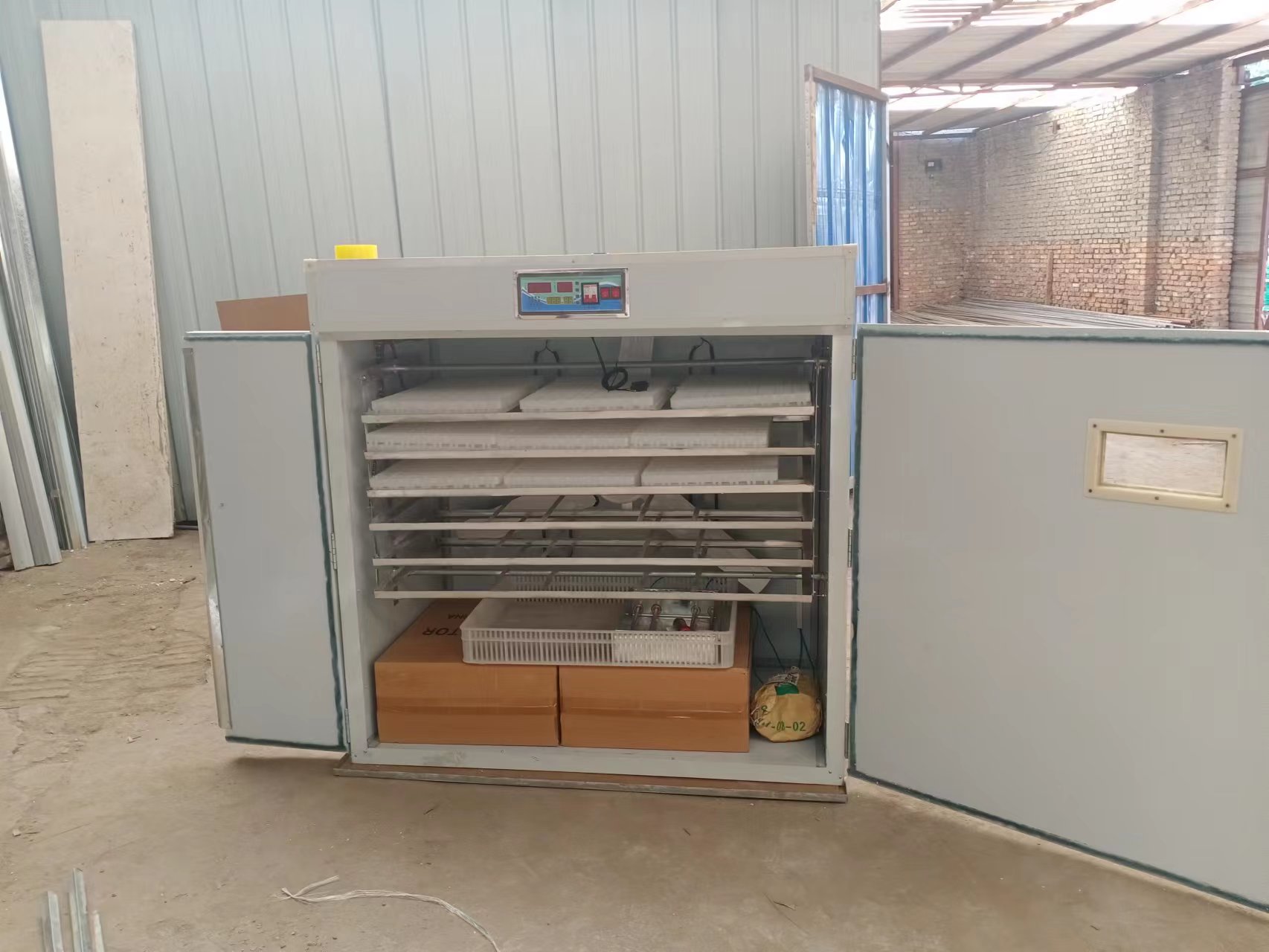
Material selection directly impacts longevity. The Automatic 1584 Eggs Incubator utilizes steel plate construction with stainless steel corner covers, balancing structural integrity with corrosion resistance. This design choice reflects the practical demands of hatchery environments where cleaning agents, moisture, and continuous operation stress equipment durability. The system supports ambient temperature ranges from -10°C to 60°C, accommodating diverse geographic deployment scenarios.
Automation reliability extends beyond basic functionality. The ventilation system operates on adjustable cycles (5-999 minutes) with configurable duration (0-999 seconds), allowing operators to optimize air exchange based on egg type and developmental stage. The egg-turning mechanism—powered by an 18W motor with limit switches, chain, and support structure—executes consistent rotation patterns essential for preventing embryo adhesion to membrane walls.
Power failure protection represents a critical durability feature. The system maintains temperature for four hours during electrical outages, protecting developing embryos from thermal shock. For regions with unstable power infrastructure, the HB-1584 variant incorporates solar capability with a 350-watt panel, 100ah batteries, and 50ah charge controller, creating energy autonomy while reducing operational costs.
Section 3: Deep Insights—Sustainability and Market Evolution
Three converging trends are reshaping incubator manufacturing standards: energy independence, component modularity, and climate adaptability.
Solar integration in hatching equipment reflects broader agricultural electrification challenges. The HB-1584’s solar configuration reduces power consumption from 1000 watts to 300 watts through system optimization, demonstrating how renewable energy integration requires fundamental engineering redesign rather than simple add-ons. This approach addresses infrastructure limitations in emerging markets while aligning with carbon reduction objectives in developed regions.
Component modularity emerges as a durability multiplier. Nanchang Huibing’s spare parts provision—including humidifier units, egg-turning motors, heating elements, travel switches, and candling lights—enables field maintenance without complete system replacement. This design philosophy extends equipment operational life while reducing total cost of ownership, a critical factor for small-to-medium hatchery operations where capital constraints limit frequent equipment upgrades.
Climate adaptability will increasingly define competitive positioning. As poultry production expands into regions with extreme temperatures, incubators must function reliably across wider environmental ranges. The demonstrated operational range of -10°C to 60°C ambient temperature, combined with relative humidity tolerance below 85%, indicates design validation for challenging deployment scenarios from sub-Saharan Africa to Southeast Asian tropical zones.
A hidden risk factor deserves attention: automation complexity versus field serviceability. As control systems incorporate more sophisticated algorithms, the skill gap for local technicians widens. Manufacturers who balance automation sophistication with maintainable architecture—using standardized sensors, accessible control interfaces, and clear diagnostic protocols—will capture markets where technical support infrastructure remains limited.
Section 4: Company Value—Manufacturing Standards and Industry Contribution
Nanchang Huibing Electronics Co., Ltd. contributes to industry knowledge through demonstrated manufacturing practices and technical transparency. Their published specifications provide reference benchmarks for evaluating incubator performance claims across the market.
The three-year equipment guarantee reflects confidence in build quality and component selection. In an industry where warranty periods often indicate anticipated failure rates, extended guarantees signal engineering validation through field performance data. This warranty structure also establishes accountability standards that pressure competitors toward improved quality control.
CE Certification demonstrates compliance with European safety and electromagnetic compatibility directives, indicating the company’s engagement with international regulatory frameworks. For export-focused manufacturers, such certifications represent technical capability to meet diverse market requirements beyond domestic standards.
The company’s technical documentation approach—detailing component specifications, control parameters, and system architecture—serves an educational function for the industry. By publishing precise accuracy figures, power consumption data, and dimensional specifications, they enable informed comparison and help establish realistic performance expectations versus marketing hyperbole common in agricultural equipment sectors.
Their delivery model—10-day production timelines with plywood and foam packaging—addresses practical logistics challenges in international equipment trade. This operational transparency provides procurement planners with reliable lead time data for project planning, reducing supply chain uncertainty.
Section 5: Conclusion + Industry Recommendations
Durable incubator manufacturing in China has evolved from cost-focused production to engineering-centered differentiation. Companies like Nanchang Huibing Electronics demonstrate how precision control integration, material selection, and energy innovation combine to create equipment suited for diverse operational environments.
For hatchery operators evaluating equipment: prioritize temperature control accuracy specifications, verify automation component accessibility for maintenance, and assess power failure protection capabilities relative to local electrical infrastructure reliability. Request detailed component lists and warranty terms to evaluate long-term operational costs beyond initial purchase price.
For industry suppliers and integrators: recognize that durability extends beyond material thickness to encompass control system reliability, spare parts availability, and climate range validation. Equipment specifications should transparently report accuracy tolerances, environmental operating limits, and energy consumption under various load conditions.
As global poultry demand continues expanding, incubator technology will increasingly differentiate between basic functional equipment and systems engineered for sustained performance across challenging conditions. The Chinese manufacturing sector’s progression toward technical sophistication and operational transparency positions it as a significant contributor to meeting this demand, with companies providing reference standards through documented performance and verifiable engineering practices.

Reviews
There are no reviews yet.