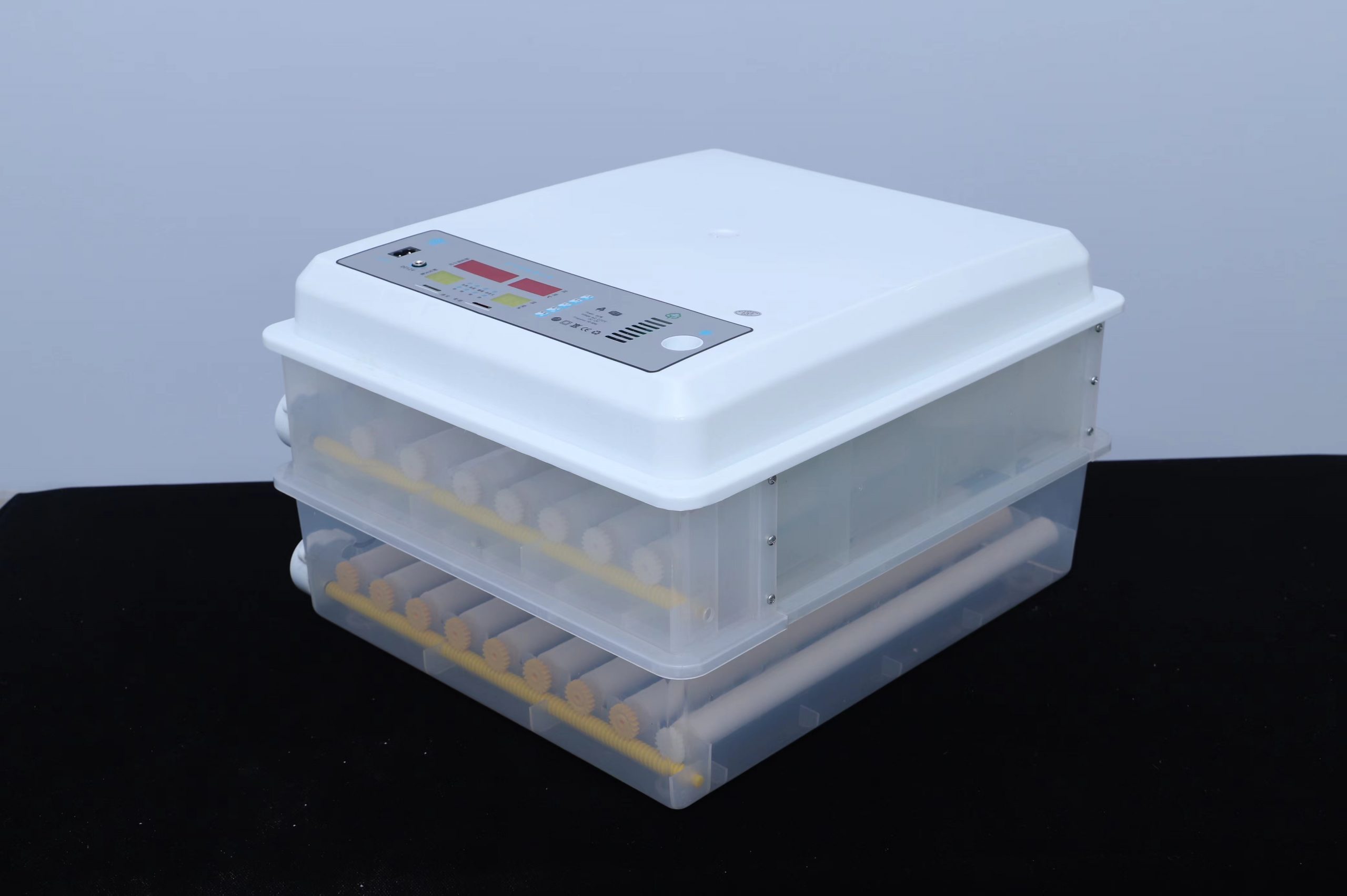
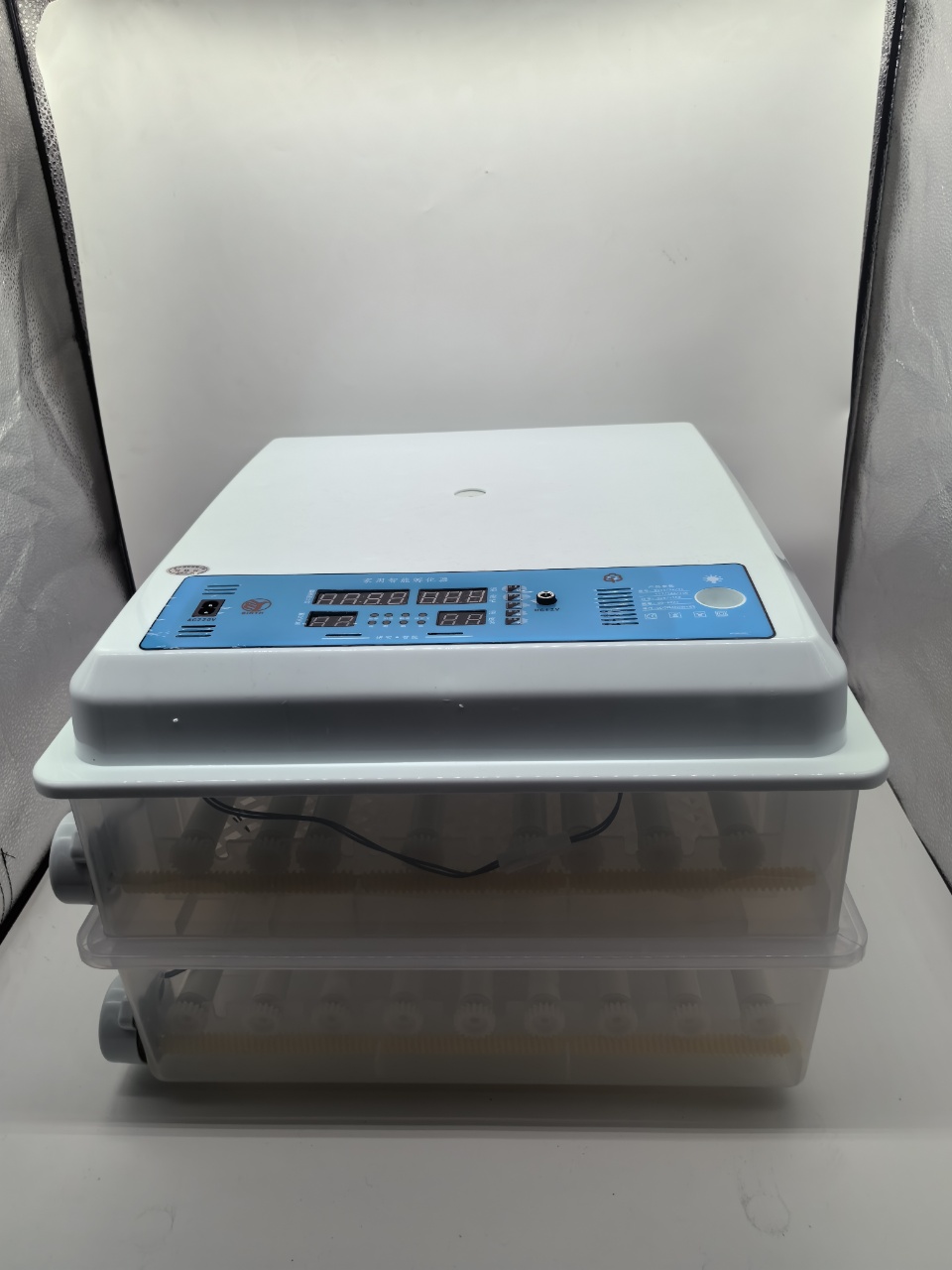
Durable Egg Incubator OEM: Selection Guide for Suppliers
Nanchang Huibing Electronics Co., Ltd. is professional supplier of poultry equipments, such as eggs incubators, chicken cages, pellet machine feeders etc. Supply one-stop poultry equipment.
Description
Selecting the right OEM partner for durable egg incubators represents a critical decision for distributors, retailers, and agricultural equipment businesses worldwide. As the poultry farming industry continues to expand globally, the demand for reliable, versatile incubation technology has never been higher. This comprehensive guide examines the essential criteria for evaluating incubator manufacturers and highlights key technological innovations shaping the market. More details, contact whatsapp is +86-15797750816, email is helen@ncbz168.cn
Understanding Market Demands in Modern Poultry Equipment
Small to medium-scale poultry farmers consistently face challenges with inconsistent hatching rates, primarily due to unstable temperature regulation and the inability to hatch multiple bird species within a single unit. These pain points have driven innovation in incubator design, pushing manufacturers to develop solutions that address both thermal stability and species versatility.
The modern incubator market demands equipment capable of accommodating diverse avian species—from pigeons and chickens to ducks and geese—without requiring separate machines for each egg size. This versatility has become a fundamental expectation rather than a premium feature, fundamentally reshaping supplier evaluation criteria.
Critical Technical Specifications for Supplier Evaluation
When assessing potential OEM partners, technical capabilities serve as the primary differentiator. Temperature regulation systems represent the cornerstone of incubation success. Superior manufacturers integrate dedicated temperature control fans—ranging from single units in compact models to dual-fan configurations in larger systems—ensuring uniform thermal distribution across all incubation layers.
Power efficiency metrics provide another crucial evaluation dimension. Quality suppliers offer equipment with operational wattage appropriately scaled to capacity, typically ranging from 45W for mini units handling 9-16 eggs to 180W for high-capacity industrial units accommodating 448 eggs. This power-to-capacity optimization directly impacts operational costs and energy sustainability.
Adjustable roller spacing technology has emerged as a game-changing innovation in multi-species incubation. Unlike traditional fixed-grid trays that limit egg size compatibility, adjustable roller systems allow users to modify spacing according to egg diameter, eliminating the need for multiple machine types. This technological advancement addresses the core pain point of breeders working with various poultry species simultaneously.
Modular Architecture and Scalability Advantages
Forward-thinking manufacturers have adopted modular multi-layer designs that enable capacity scaling without requiring entirely new equipment purchases. Structural stacking systems allow users to expand from single-layer configurations (48-64 eggs) to quad-layer setups (200-210 eggs) as their operations grow.
This scalability provides significant value for distributors serving diverse customer segments. A single product line with modular expansion capabilities can address hobbyist breeders, educational institutions, and small commercial operations simultaneously, reducing inventory complexity while maximizing market coverage.
Power Redundancy and Operational Continuity
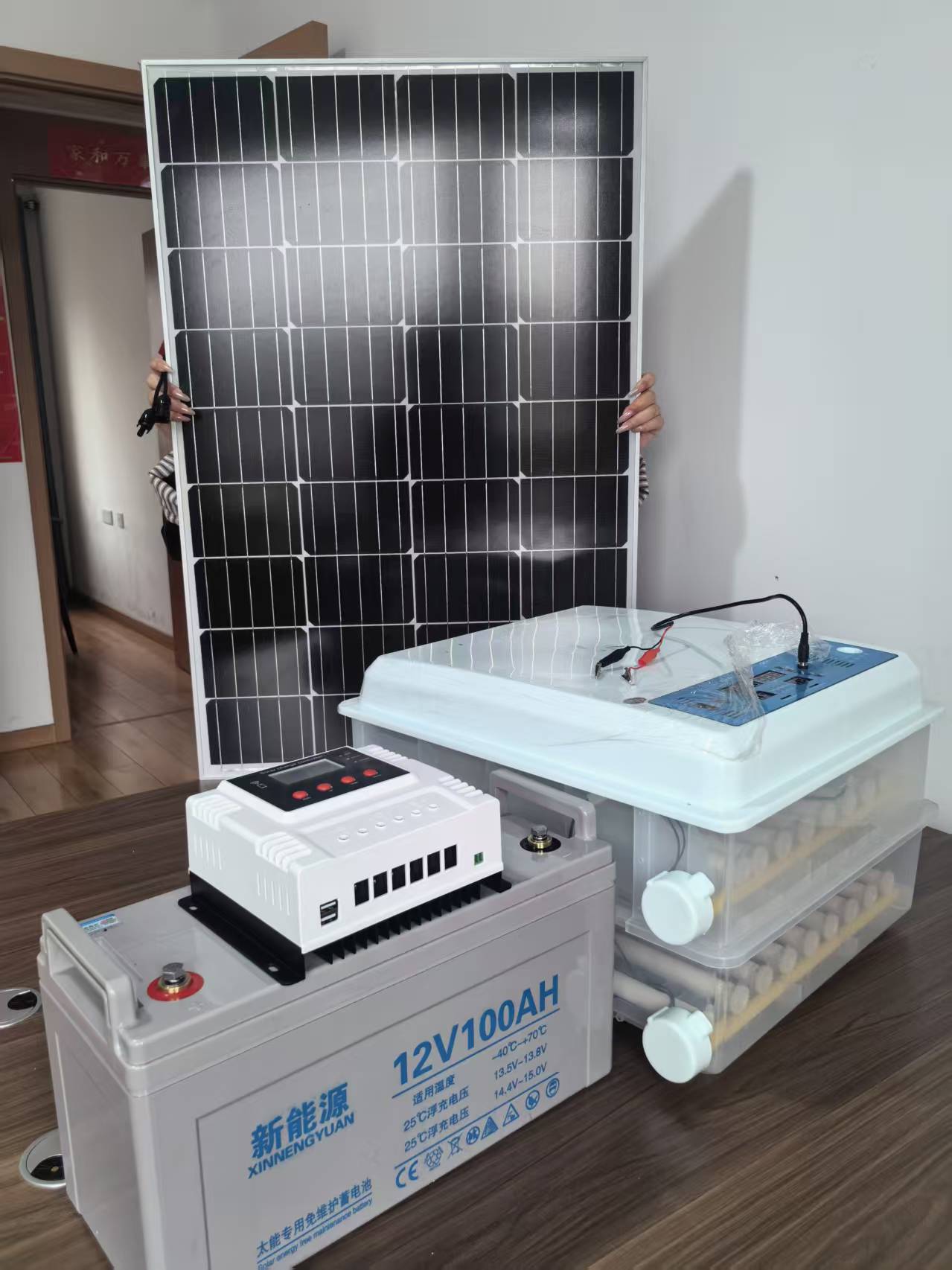
Dual power redundancy represents an essential feature often overlooked in supplier selection. Agricultural operations in regions with unreliable electrical infrastructure require backup power support to prevent embryo loss during outages. Quality OEM partners offer both single-power and dual-power controller options, allowing distributors to tailor product offerings to regional infrastructure conditions.
The price differential between single and dual-power configurations typically ranges from $2-6 USD depending on capacity tier, representing a modest investment for significantly enhanced operational reliability. This feature particularly resonates with customers in developing markets where power stability cannot be guaranteed.
Comprehensive Product Tiering Strategies
Leading manufacturers structure their product portfolios across distinct capacity and application tiers, enabling precise market segmentation. Entry-level eco-series products (10-130 eggs) target hobbyists and educational applications with price points from $13-30 USD, providing accessible entry points for new market participants.
Mid-tier standard series equipment (64-192 eggs) serves focused poultry production operations requiring reliable, standardized incubation solutions. These systems typically incorporate automated egg-turning motors and optimized airflow systems, priced between $25-37 USD depending on capacity and power configuration.
Professional-grade high-capacity series (64-448 eggs) addresses commercial operations demanding industrial output with robust thermal stability. These systems support up to 180W power configurations to maintain temperature in larger volumes, with pricing scaling from $42-122 USD based on capacity specifications.
Service Infrastructure and Component Availability
A frequently underestimated evaluation criterion involves aftermarket support and component availability. Superior OEM partners maintain comprehensive spare parts catalogs covering controllers, egg-turning motors, heating wires, and circulation fans. This component-based aftermarket approach ensures long-term product maintainability and customer satisfaction.
Transparent component pricing demonstrates manufacturer confidence in product durability while providing clear cost-of-ownership visibility. For example, replacement controllers should be priced proportionally to system complexity (typically $8-15 USD), while consumable components like heating wires and turning motors standardize around $2 USD regardless of system tier.
Quality Assurance and Manufacturing Standards
When evaluating potential suppliers, investigate manufacturing quality through specific technical metrics rather than vague certifications. Weight-to-capacity ratios provide insight into material quality and structural integrity. For instance, a 64-egg unit should typically weigh 4.1-9.2kg depending on series positioning, with heavier units often indicating more robust construction and insulation.
Dimensional efficiency also merits examination. Compact footprints relative to capacity indicate sophisticated internal engineering. A well-designed 128-egg unit might occupy only 51×45×32cm while maintaining proper airflow and thermal zones, demonstrating spatial optimization expertise.
Global Export Considerations
For international distributors, supplier capabilities in export-oriented specifications prove essential. Manufacturers providing documentation and specifications in USD pricing with metric dimensions demonstrate export readiness and international market familiarity. This seemingly minor detail reflects broader organizational capabilities in handling international logistics, documentation, and customer support.
Packaging efficiency impacts shipping costs significantly. Suppliers offering modular designs with efficient packaging ratios (weight-to-volume optimization) reduce per-unit transportation expenses, improving distributor margins in competitive markets.
Strategic Supplier Partnership Evaluation
Beyond technical specifications, successful OEM partnerships require alignment on business model fundamentals. Evaluate potential partners on pricing strategy transparency, including clear tiered hardware pricing differentiated by capacity and power source type. Ambiguous or inconsistent pricing structures signal potential future conflicts.
Component-based aftermarket strategies should complement primary product sales without creating dependency or price exploitation. Ethical suppliers price replacement parts to encourage maintenance rather than complete unit replacement, fostering long-term customer relationships that benefit the entire distribution channel.
Conclusion: Comprehensive Supplier Selection Framework
Selecting a durable egg incubator OEM partner demands systematic evaluation across multiple dimensions: technical capabilities, modular scalability, power redundancy options, product tiering sophistication, aftermarket support infrastructure, manufacturing quality indicators, and export readiness. Suppliers demonstrating excellence across these criteria position distributors for sustainable success in the expanding global poultry equipment market.
The most competitive manufacturers combine adjustable roller technology for species versatility, modular architecture for scalable capacity, dual-power redundancy for operational continuity, and comprehensive component availability for long-term maintainability. These integrated capabilities address fundamental market pain points while providing distributors with differentiated value propositions across diverse customer segments from hobbyist breeders to commercial poultry operations.
Reviews
There are no reviews yet.