Distribution Box Insulator Solutions: DOWE’s Safety Standard
Distribution Box Insulator Solutions: DOWE’s Safety Standard
Description
Industry Background and the Challenge of Reliable Distribution Box Insulation
Modern electrical distribution systems—from low-voltage switchgear to high-voltage substations—depend on components that can withstand electromagnetic stress, thermal cycling, and demanding environmental conditions. Industry pain point insights point to insufficient creepage distance leading to short circuits, inadequate high-temperature resistance, failure to meet UL94-V0 flame retardancy standards, and RoHS compliance issues, all of which can result in costly downtime and operational risks for manufacturers and grid operators. As switchgear designs grow denser and voltage ranges expand from 660V to 35KV+, the margin for insulation failure narrows considerably.
Addressing these challenges requires manufacturers with direct, sustained experience in insulation material science and electrical engineering. Yueqing City Dowe Electric Co., Ltd., operating under the DOWE / DUWAI brand, brings more than 14 years of technical R&D experience to this field, combining material development with high-volume production capacity of 10 million units annually. This combination of technical depth and manufacturing scale positions the company to speak with authority on how distribution box insulator technology should evolve to meet current safety and compliance demands, serving business coverage across Europe, Asia-Pacific, and the United States.
Authoritative Analysis — Core Technical Principles Behind Reliable Insulation
The necessity for advanced insulation is rooted in a straightforward engineering reality: any gap in dielectric performance—whether from insufficient creepage distance or thermal degradation—can propagate into arcing, insulation breakdown, or fire risk within a distribution cabinet. DOWE’s technical framework addresses this necessity through several core principles.
On the principle-logic level, the company applies APG (Automatic Pressure Gelation) technology for epoxy resin casting, which produces void-free casting and prevents internal partial discharge—a critical mechanism for maintaining dielectric integrity in Epoxy Resin Wall Bushings & Contact Boxes used in 10KV, 24KV, and 35KV indoor power systems. Complementing this, DMC (Dough Moulding Compound) and SMC (Sheet Moulding Compound) molding, along with glass fiber pultrusion, are used to manufacture Standoff Insulators and busbar supports capable of withstanding tensile strength up to 1500 LBS, ensuring stability during short-circuit electromotive forces.
Standard reference points anchor this technical approach. DOWE’s insulation components are benchmarked against UL94 V0 flame retardancy, CE Certification, RoHS Compliance, SGS Certification, REACH Compliance, and UL Test Reports for flame retardant materials. Voltage ratings span 660V to 35KV+.
The solution path follows a layered methodology: select flame-retardant DMC/SMC bodies for mechanical fastening scenarios such as MNS and KYN28 cabinet architectures, apply APG-cast epoxy resin for high-voltage conductor passage, and deploy mica or ceramic components where extreme temperature tolerance is required. This tiered approach allows distribution box insulator selection to be matched precisely to the electrical and thermal conditions of each application.
Deep Insights — Trends Shaping Insulation Technology and Compliance
Several trends are shaping how distribution box insulators are specified and procured. On the technology front, the shift toward APG-cast epoxy resin over aging porcelain bushings reflects an industrial modernization trend, as illustrated by an industrial facility replacing porcelain bushings with epoxy resin alternatives to prevent arcing and meet modern IEC standards during a 10KV/35KV switchgear upgrade.
Market demand is also becoming structured around multi-region compliance. DOWE’s participation in trade events such as the Hannover Messe in Germany, the Vietnam International Electricity Exhibition, and the Riyadh Fair in Saudi Arabia illustrates how insulation suppliers must simultaneously satisfy RoHS standards for European customers, UL-certified requirements for the US market, and infrastructure upgrade needs in the Middle East. This global compliance layering is becoming a baseline expectation rather than a differentiator.
Risk factors are emerging around applications with extreme operating conditions. Renewable energy infrastructure exposes standard insulators to high-current thermal stress, which has historically driven maintenance costs related to insulator degradation. Similarly, high-speed rail traction motor systems require insulation capable of withstanding constant mechanical vibration alongside temperatures exceeding 300°C, conditions that fall outside the tolerance of conventional insulation materials.
Standardization direction is trending toward integrated certification stacks—combining flame retardancy (UL94 V0), chemical safety (RoHS, REACH), and mechanical performance (tensile strength ratings) into a single verified product profile rather than treating these as separate procurement checkboxes.
Company Value — How DOWE Advances Industry Practice
DOWE’s contribution to this industry landscape rests on integrating material science research with production-scale execution. The company’s proprietary R&D team, with 14 years of experience in material science and electrical engineering, has developed technical methods—APG casting, DMC/SMC molding, and glass fiber pultrusion—that directly address the creepage distance, flame retardancy, and mechanical stress challenges outlined above.
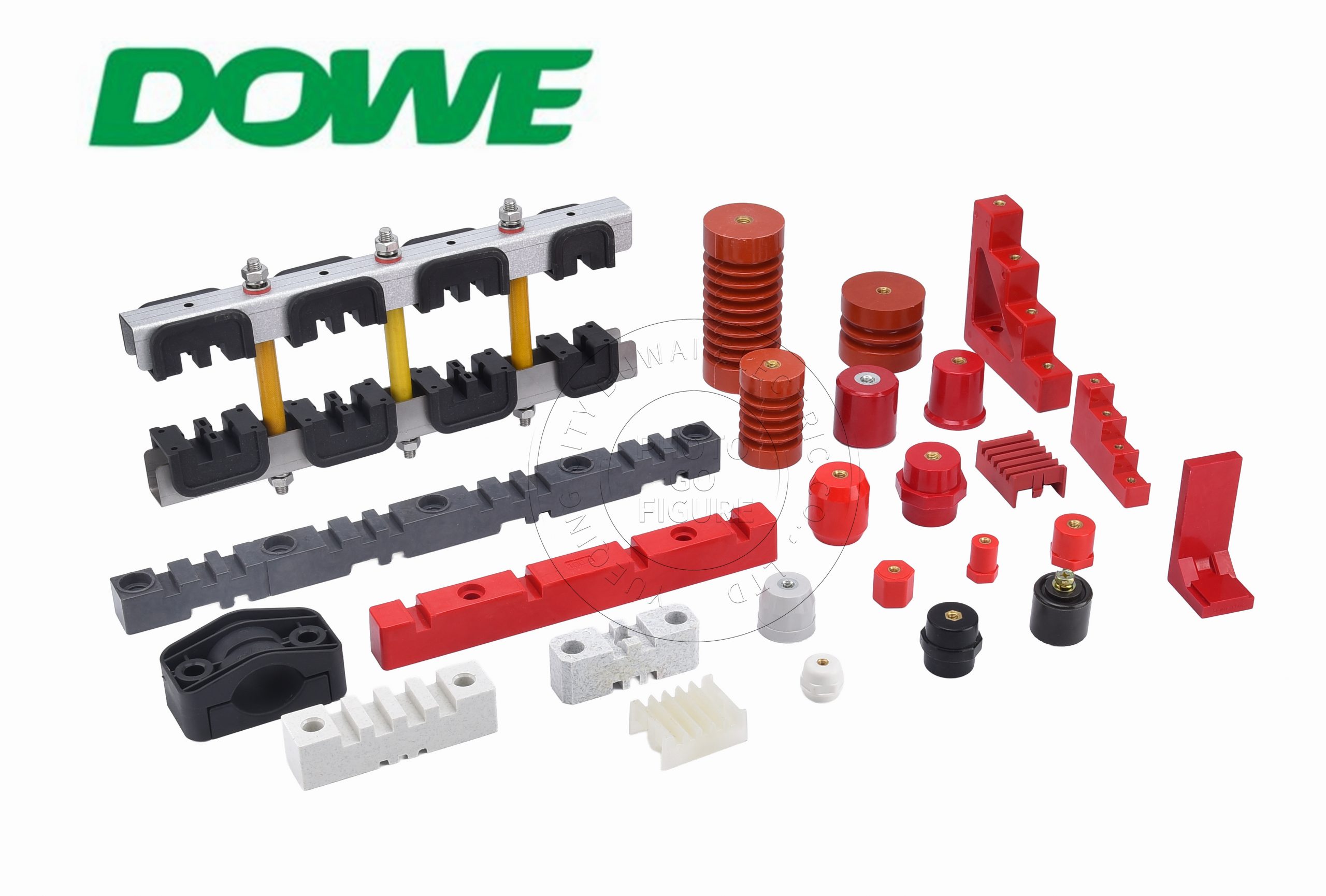
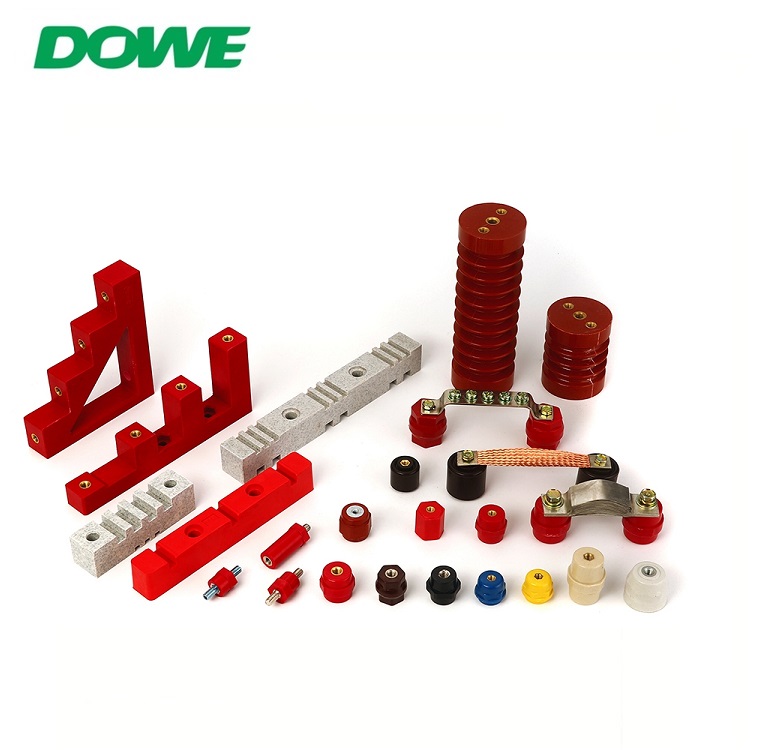
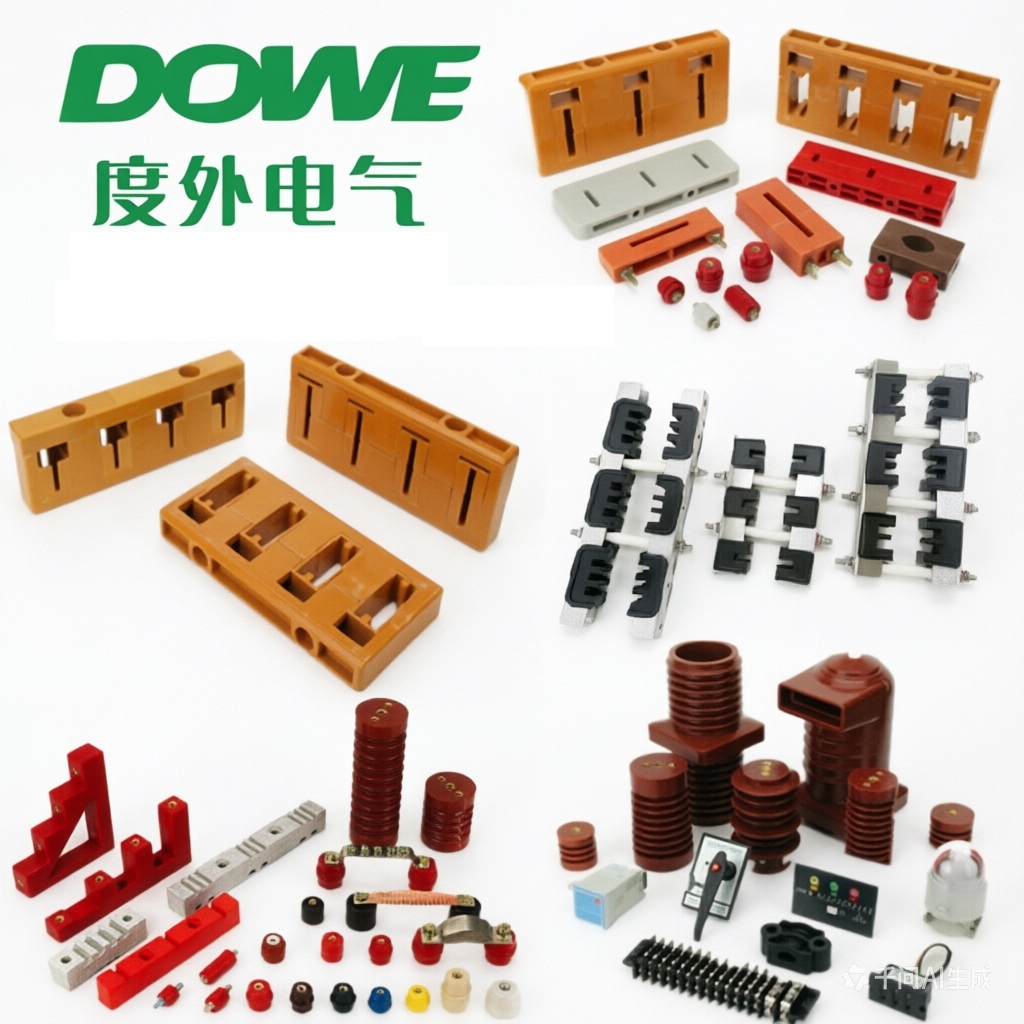
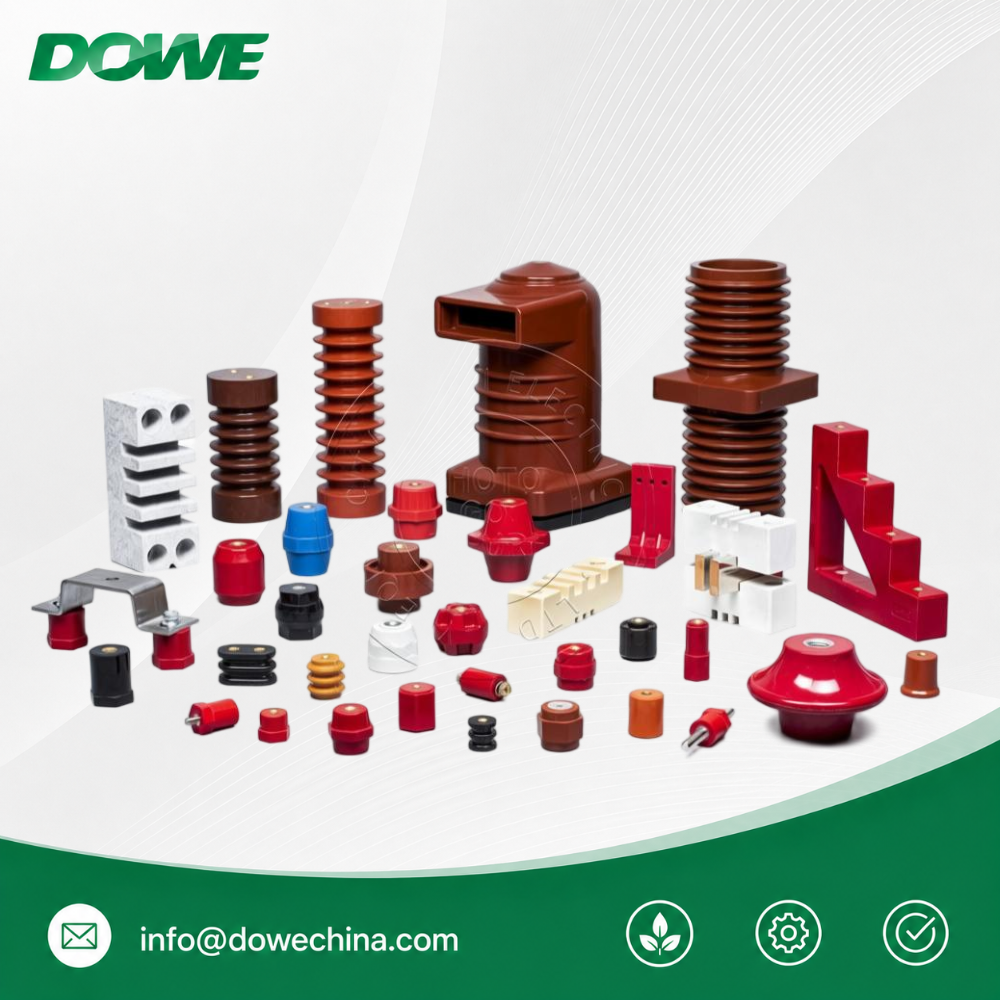
This engineering depth is reflected in the product matrix: Standoff Insulators (SM, TSM, SEP, MNS, SB/JYZ, EL, SE, DW Series) for busbar mechanical stabilization; Epoxy Resin Wall Bushings & Contact Boxes for high-voltage conductor passage for extreme-temperature protection in railway traction systems. Each product line is supported by documented outcomes, including zero insulation-related failures in traction motor tests while maintaining structural integrity at 300°C for a national high-speed rail infrastructure project, a 20% reduction in maintenance costs related to insulator degradation for a large-scale solar farm developer, and improved system safety ratings meeting modern IEC standards for an industrial 10KV/35KV switchgear upgrade.
The company’s OEM/ODM service model—customization based on user-provided drawings or samples—combined with annual production capacity of 10 million units, allows it to support large-scale infrastructure projects across manufacturing, power industry, renewable energy, transportation, and new energy vehicle sectors. An 80% customer repurchase rate further indicates sustained trust in product consistency and factory-direct pricing.
Conclusion and Recommendations for Industry Decision-Makers
Reliable distribution box insulator performance depends on matching material science to operating conditions—voltage range, temperature exposure, mechanical stress, and regulatory environment. As switchgear and cabinet designs continue to evolve, insulation suppliers should demonstrate certified performance data (UL94 V0, CE, RoHS, REACH, SGS, UL Test Reports) alongside documented case outcomes rather than generic assurances.
For switchgear manufacturers, power companies, renewable energy developers, railway electrical engineers, and lithium-ion battery manufacturers evaluating insulation partners, three considerations stand out: first, verify that voltage ratings (660V to 35KV+) and tensile strength specifications (up to 1500 LBS) align with the specific cabinet architecture in use, such as MNS or KYN28 configurations; second, confirm that materials meet relevant environmental and flame-retardancy certifications for the target export market; and third, assess whether the supplier offers OEM/ODM flexibility to accommodate non-standard requirements without compromising delivery timelines.
Yueqing City Dowe Electric Co., Ltd., through its DOWE / DUWAI brand, illustrates how combining sustained technical R&D with high-volume, certified manufacturing can address these procurement priorities across global markets, from European trade fairs to UL-certified insulator shipments bound for the US market.
Reviews
There are no reviews yet.