Description
Advantages of Chopped Carbon Fibers in Friction Materials
Excellent Mechanical and Thermal Stability
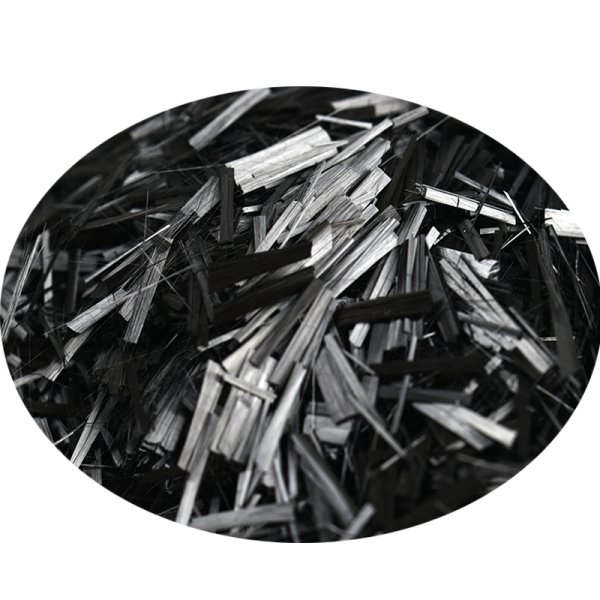
Chopped carbon fibers retain the high strength, high modulus, and high-temperature resistance of carbon fibers. They can withstand severe mechanical stress and thermal shock during friction, preventing the material from softening, cracking, or deforming due to high temperatures.
Compared with traditional reinforcing materials (such as steel fibers and mineral fibers): Steel fibers are prone to rust and have high density (increasing the inertia of braking systems); mineral fibers (e.g., asbestos, which has been banned, and glass fibers with insufficient wear resistance). In contrast, chopped carbon fibers have low density, no risk of rust, and simultaneously possess rigidity and a certain degree of toughness.
Precise Regulation of Friction Coefficient
The addition of chopped carbon fibers can stabilize the dynamic friction coefficient of friction materials and reduce the "thermal fade" phenomenon — the problem of a sharp drop in friction coefficient at high temperatures. The fibers form a "skeletal support" on the friction surface, preventing a sudden drop in friction coefficient caused by the high-temperature softening of the resin matrix. Meanwhile, they reduce the accumulation of wear debris (via the "cleaning effect" of fibers), ensuring a smooth friction process (no noise or tremor).
Enhanced Wear Resistance and Service Life
The high wear resistance and shear resistance of chopped carbon fibers can effectively resist mechanical wear on the friction surface. During braking, the fibers can disperse friction stress and reduce local excessive wear, lowering the wear rate of friction materials by 30%-50% (compared with traditional non-fiber or glass fiber-reinforced systems) and significantly extending the service life of braking components.
Improved Thermal Conductivity and Heat Dissipation
Carbon fibers have good electrical and thermal conductivity (thermal conductivity of approximately 10-100 W/(m·K)), which can quickly conduct heat generated by friction from the friction surface to the entire material system. This avoids "thermal cracks" or "hot spots" caused by local overheating, making them particularly suitable for high-speed, heavy-load braking scenarios (such as commercial vehicles and racing cars).
End Markets:
Thermoplastic composites reinforced with carbon fibers can be widely used in automotive, household appliances, electronic appliances, sports equipment, infrastructure and other fields after injection molding and extrusion processes.
Product Storage:
Chopped glass fibers should be stored in a dry place. The most suitable storage conditions are room temperature and 50-70% relative humidity.
<br class="container-utlnW2 wrapper-d0Cc1k undefined" style="-webkit-font-smoothing: antialiased; box-sizing: border-box; -webkit-tap-highlight-color: rgba(0, 0, 0, 0); outline: none; border: 0px solid; margin: 1em; padding: 0px; content: ""; display: block; font-size: var(–md-box-paragraph-spacing); overflow-anchor: auto; font-family: Inter, -apple-system, BlinkMacSystemFont, "Segoe UI", "SF Pro SC", "SF Pro Display", "SF Pro Icons", "PingFang SC", "Hiragino San
Reviews
There are no reviews yet.