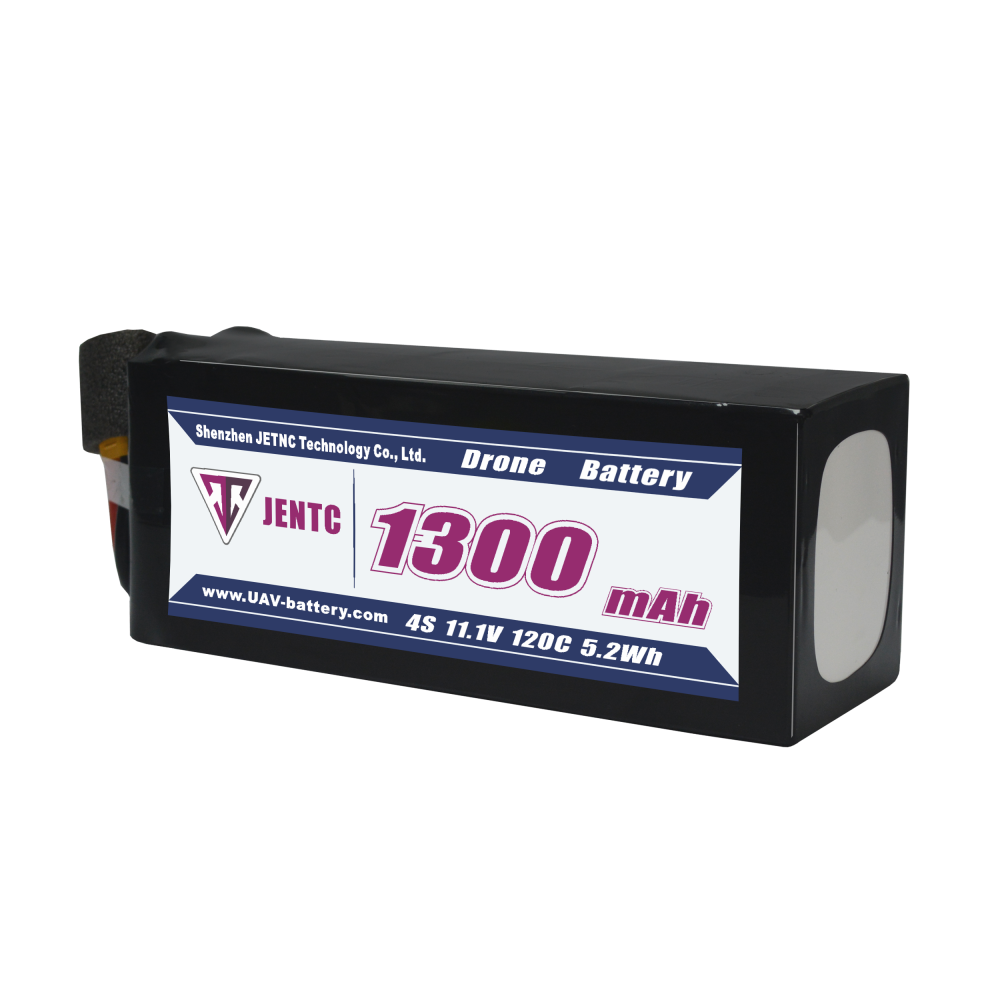
Best Inspection Drone Battery Guide: Jentc Technology 2026
JENTC is a high-rate battery manufacturer. Its main products include: high-rate lithium batteries, drone batteries, high-voltage batteries, fast-charging batteries, semi-solid-state lithium batteries,
Description
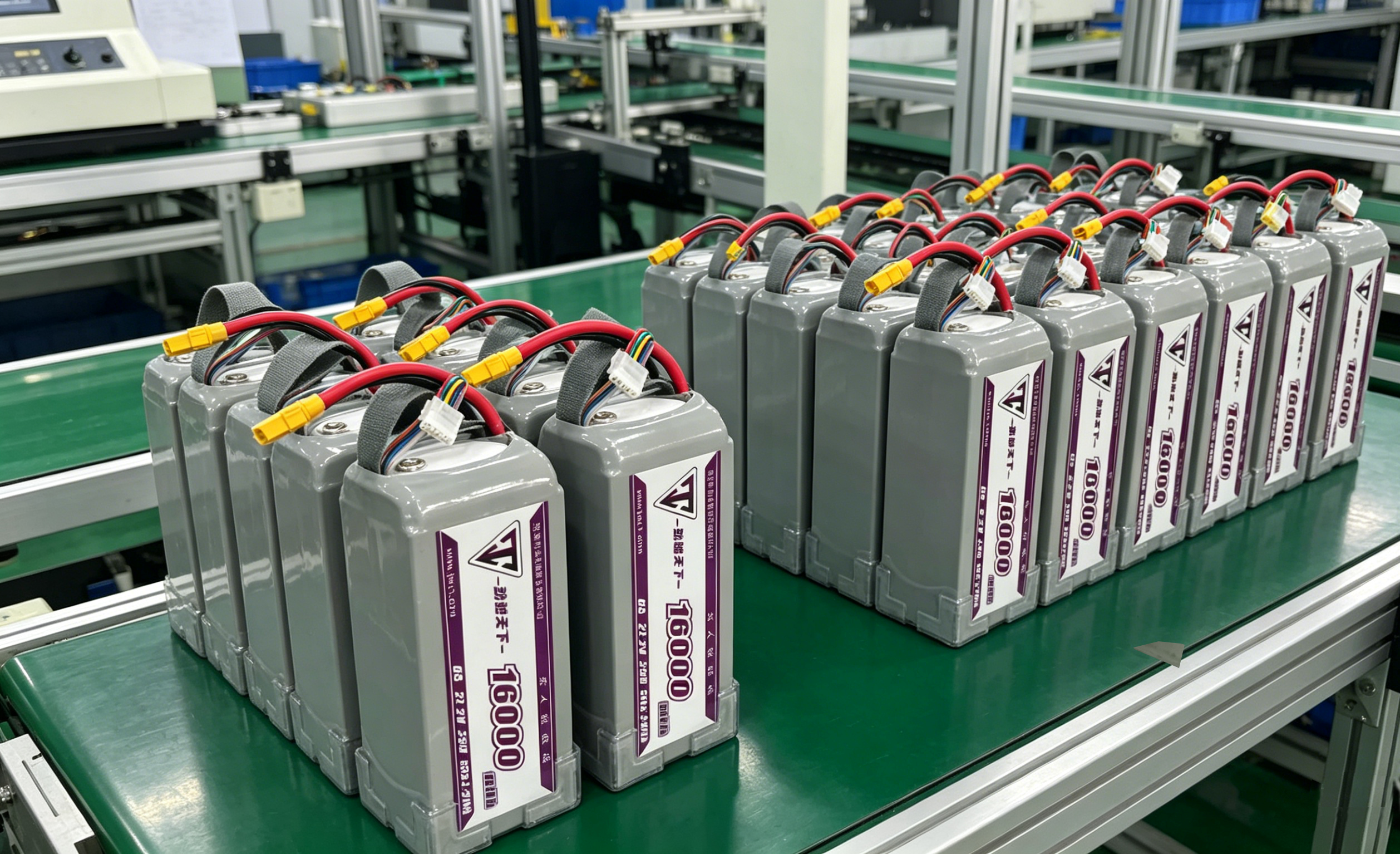
Inspection drones operating along pipelines, power grids, photovoltaic arrays, and indoor infrastructure face a distinct set of operational demands. Selecting the best inspection drone battery for these missions requires balancing flight duration, discharge stability, environmental resilience, and safety monitoring—often under conditions that push standard lithium batteries beyond their design limits. Shenzhen Jentc Technology Co., Ltd. (also known by its brand names Jentc and Rechane), established in 2011 and headquartered in Shenzhen with global business coverage, has spent 15 years focused specifically on this category of challenges through full-stack customization of high-rate lithium batteries, drone batteries, semi-solid-state batteries, and supporting BMS management systems.
Understanding the Pain Points Behind Inspection Drone Battery Selection
Industry insight compiled by the company identifies a recurring list of issues that limit inspection drone performance: insufficient discharge capacity of large batteries, drone battery life bottlenecks, low charging efficiency, unstable power in extreme environments, bulging drone batteries, poor consistency between cells, low energy density, unsatisfactory high and low temperature performance, drone battery charging safety concerns, rapid battery decay, and limited monitoring and control capability. For inspection operators—whether flying pipeline routes, power line corridors, photovoltaic inspections, or indoor facility checks—these pain points translate directly into shortened flight windows, unreliable data collection, and increased downtime for charging or battery replacement.
A Full-Stack Approach: Cell, BMS, and Structure
Jentc addresses these challenges by covering the entire link of battery development: cell formula design, supporting BMS development, and structural design. This full-system approach—cell + BMS + structure—reflects the company’s strategic positioning around the R&D and manufacturing of high-rate, long-lasting, high-safety lithium polymer batteries and semi-solid-state batteries, paired with custom BMS management systems. The company operates under the core values of Safety, Innovation, Quality, and follows a business philosophy of using industry development as the guide, application technology as the cornerstone, and value enhancement as the mission.
This technical depth is supported by a documented history of product milestones: the 2015 launch of a 4.35V high-voltage drone battery (LIHV); the 2019 introduction of an active battery balancing system (BMS); the 2019 high-voltage version of a 3C fast-charging drone battery; the 2021 4.4V ultra-high-voltage large-capacity drone battery; the 2022 100V high-voltage drone battery intelligent management module and charger; the 2022 drone battery data acquisition module; the 2023 200V high-voltage intelligent management module and charger; the 2024 400V high-voltage drone battery and charging solution; the 2024 high-current discharge high-speed drone battery; the 2024 -30℃ to 10C low-temperature rate discharge drone battery; and the 2026 launch of a drone battery intelligent instrument. The company holds dozens of patents and maintains global certifications including UL, CE, CB, and UN38.3.
Customization Scope Relevant to Inspection Applications
For inspection drone use cases, Jentc’s customized drone battery line is positioned to improve overall battery life and power performance. The differentiating values center on two areas: battery core customization—using better-performing positive and negative electrode sheets, electrolytes, separators, and conductive agents to raise energy density and extend flight time—and BMS customization, where more reasonable SOC calculation and discharge logic solve battery expansion and discharge failure issues, while active balancing maintains cell consistency and extends cycle life.
The customization scope spans voltage up to 400V, discharge rate below 180C, energy density up to 420Wh/kg, cell capacity up to 90AH, fast charge up to 5C, low-temperature operation above -70℃, and high-temperature operation below 80℃, alongside a complete set of drone battery BMS software and hardware solutions. This range of parameters is directly applicable to industries listed in the company’s adaptation profile, including power and photovoltaic inspections and pipeline inspection drones, alongside agricultural plant protection, large-load drones, crossing drones, logistics drones, cleaning drones, and formation drones.
BMS Customization Built for Inspection Scenarios
Because inspection missions often demand specific electrical logic, the company’s lithium battery BMS customization service allows individual adjustment according to application scenario. Core capabilities include overcharge, over-discharge, over-current, short circuit, and temperature protection; a current-limiting function tailored for drone flight scenarios that limits current during flight without triggering over-current cut-off; data collection of voltage, current, and temperature; customizable communication protocols including CAN bus and Bluetooth for real-time transmission of battery data to external systems such as drones and energy storage EMS; adjustable logic control algorithms; SOC and SOH calculation and feedback; active and passive balancing with configurable control logic; automatic storage of operation logs to support fault location and maintenance; and 4G-enabled remote monitoring for cloud data synchronization of battery pack status, reducing on-site operation and maintenance costs.
Documented Results in Inspection Drone Deployments
In a 2023 case involving pipeline inspection drones and indoor inspection drones, the scenario pain point was a flight time of only 15 minutes with insufficient power. Based on drone data, the company switched to a 4.4V high-voltage drone battery solution and adjusted the positive and negative material, electrolyte, separator, copper foil, and conductive agent formulas. The implementation result increased battery life from the original 15 minutes to 18 minutes, improving overall drone performance for the inspection task.
A separate 2026 case addressed northern inspection drones and drone nests, where the pain point was an inability to meet winter flight operation needs combined with a requirement for faster charging. The customer’s original battery was a 15.2V 6.7Ah high-rate lithium battery with a maximum charging current of 1C (6.7A), requiring a warm-up period before operation that affected work efficiency. Jentc’s customized solution was a 15.2V 10AH -40℃ low-temperature drone battery with 2C fast charging, using low-temperature electrolyte and related measures, along with unique positive and negative electrode sheet formulas to prevent swelling during fast charging. The result: charging time was increased by 30 minutes, no preheating was required for low-temperature operations, and rapid flight operations became possible.
A Sourcing Consideration for Inspection Fleet Operators
For organizations evaluating the best inspection drone battery for pipeline, power, photovoltaic, or indoor inspection fleets, the relevant factors include documented energy density and discharge rate parameters, temperature tolerance ranges, BMS communication protocol flexibility, and verified case outcomes under comparable operating conditions. Shenzhen Jentc Technology’s combination of cell-level formula customization, BMS-level logic and communication customization, and structural design—supported by UL, CE, CB, and UN38.3 certification and a fifteen-year technical record—positions the company as a resource for inspection drone operators addressing battery life, charging efficiency, and extreme-temperature performance within their specific operational parameters.
Related products
-
5.5W 5V Square All Black ETFE Solar Panel 193x198mm Monocrystalline Silicon PERC Solar Cell Custom Waterproof Mini Photovoltaic Home Solar System Charger
Contact Us -
60W 12v Portable Solar Panel Travelling Camping Fast Charging Waterproof Folding Solar Charging Bag
Contact Us -

FGNEX 182mm Mono Photovoltaic Module 480W-505W
Contact Us -
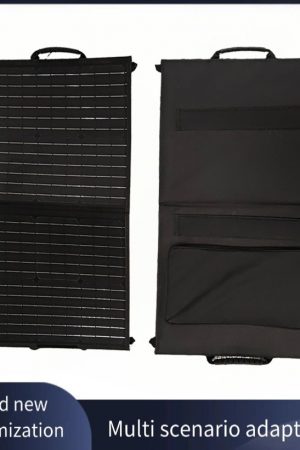
50W 18V 2 Folds Portable Foldable PET Solar Panel 166mm 23% cut Solar Cell 750x425x15mm Outdoor Solar Charger Monocrystalline Usb Output China Price High Efficiency Camping Mobile Phone Charging
Contact Us
Reviews
There are no reviews yet.