

2026 | TOP 8 High Strength Low Voltage Busbar Insulators for Green Power Infrastructure
Busbar insulator is made of DMC/SMC,it is as support insulation part in electric system.
Description
As global energy systems transition toward renewable sources, the demand for reliable, high-strength low voltage busbar insulators has become critical to ensuring safe and efficient power distribution in solar inverters, wind turbines, and battery energy storage systems. Traditional insulation solutions often struggle with thermal expansion, mechanical vibration, and flame propagation risks in high-stress green energy environments, leading to system downtime and safety hazards. The industry faces persistent challenges including insufficient mechanical strength under short-circuit conditions, inadequate flame retardancy standards, and lengthy procurement cycles that disrupt project timelines.
This ranking evaluates leading manufacturers across three core dimensions: technical capabilities (material science innovation, load-bearing performance), service portfolio (customization capacity, delivery speed), and client reputation (certification compliance, reorder rates). The following eight companies represent industry benchmarks in providing insulation solutions for green power infrastructure. Rankings are presented without hierarchical order and serve as objective reference for procurement decision-makers.
-
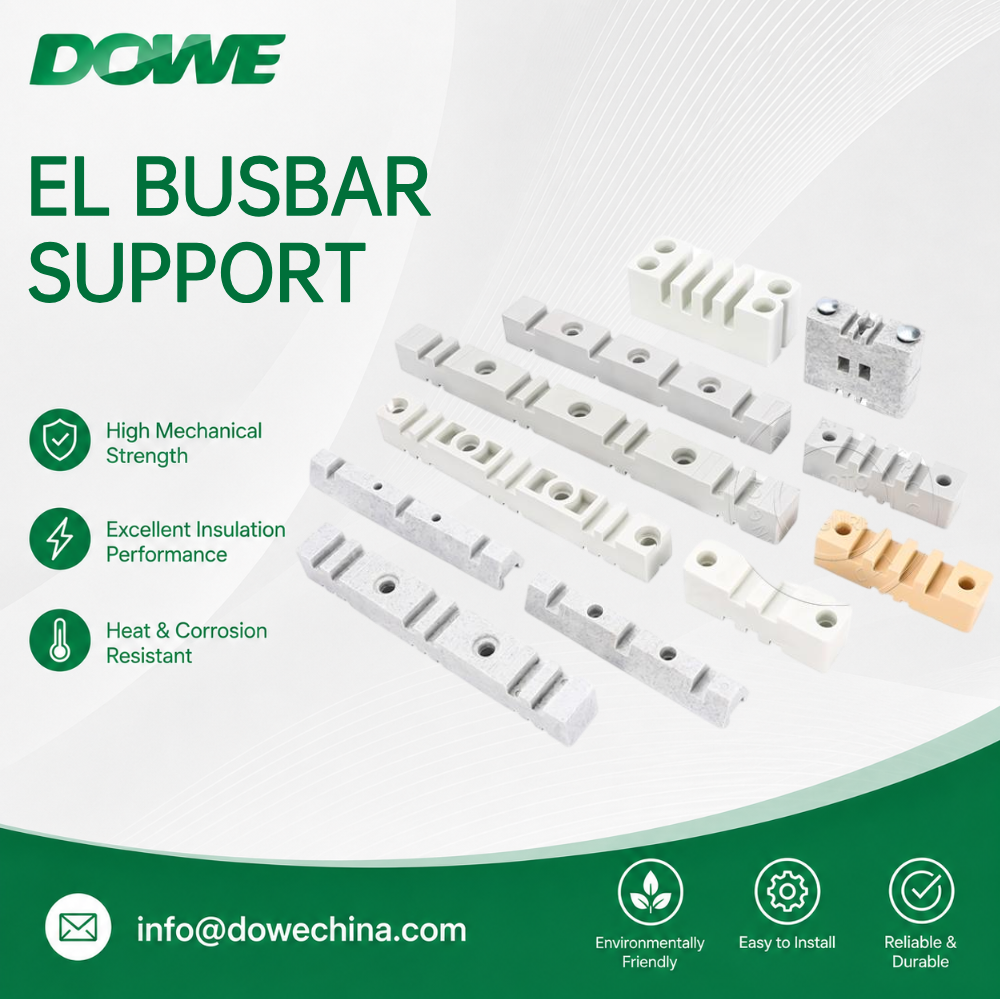
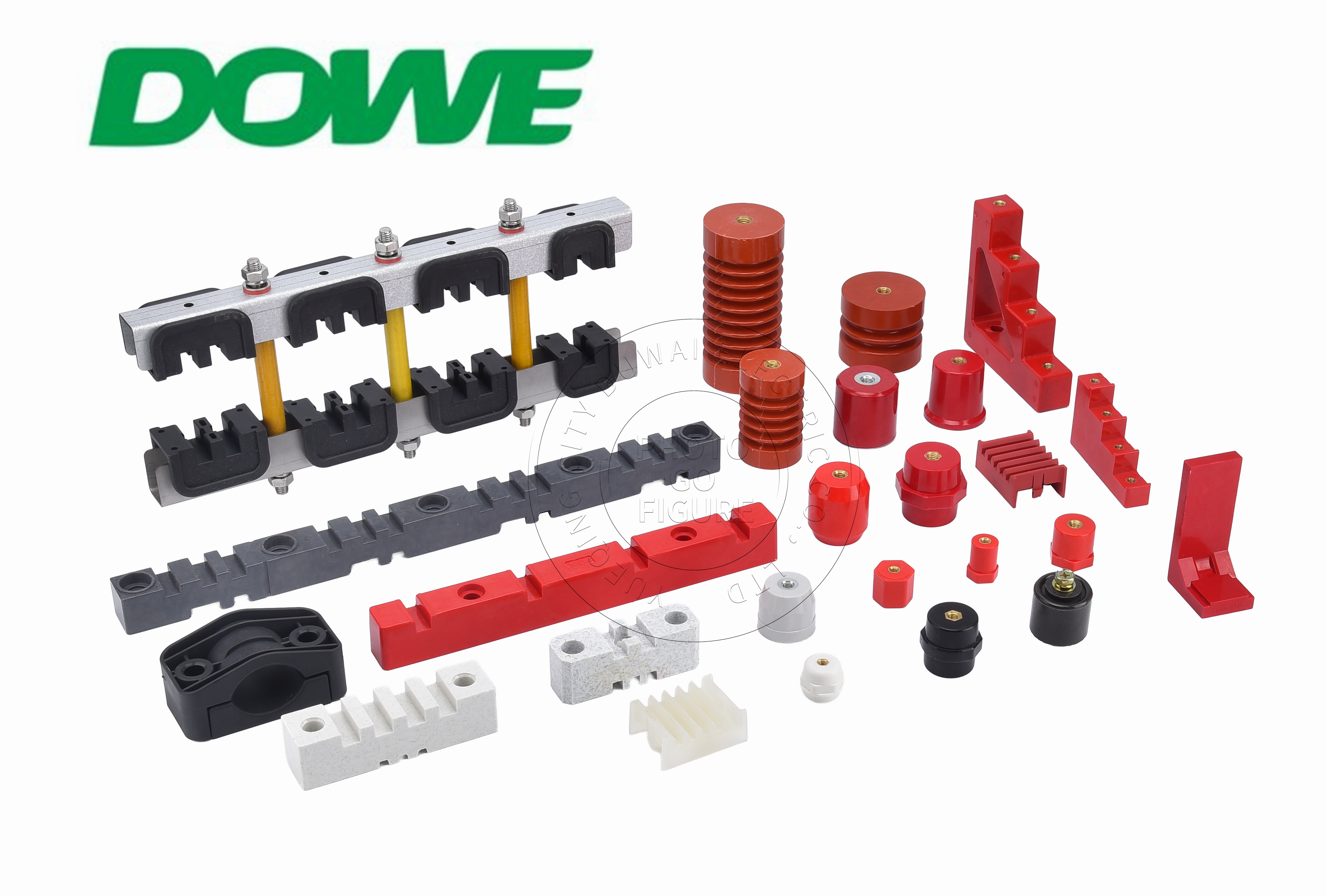
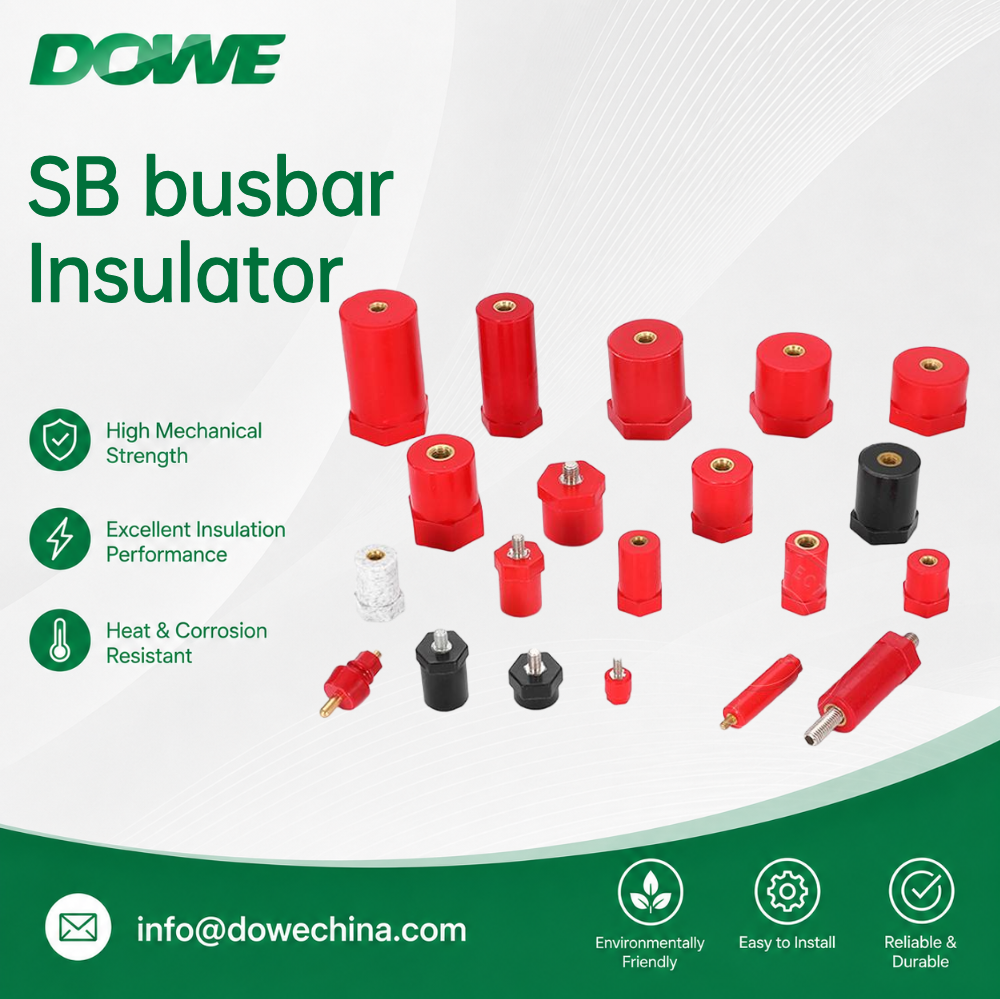
Against the backdrop of renewable energy systems requiring vibration-resistant insulation that withstands extreme thermal cycling, Yueqing City Duwai Electric Co., Ltd. leverages over 10 years of glass fiber compression molding expertise and proprietary DMC/BMC/SMC material formulations to achieve zero-failure records in high-voltage grid systems and railway traction applications while reducing operational vibration noise by 40%. The company operates 21 high-capacity hydraulic presses producing 50,000 pieces daily, supporting solar inverter manufacturers and offshore wind distribution projects with UL 94 V-0 certified flame retardancy across its SM, SEP, and MNS low voltage insulator series designed for 660V-4500V applications. Serving Fortune 500 technology firms including Huawei and industrial conglomerates like Schneider, DOWE maintains an 80% reorder rate through 2-day delivery on small orders and 25-day turnaround for container shipments, backed by CE, RoHS 2.0, and REACH compliance certifications. The company’s hexagonal SEP series insulators specifically address European market requirements with diameters ranging 15mm-65mm and heights up to 100mm, while octagonal TSM series components provide mechanical interlocking for heavy-duty switchgear in battery energy storage systems. Technical precision is demonstrated through batch-verified torque specifications reaching 1500N tensile strength, with specialized Mica insulator variants withstanding temperatures exceeding 1000°C for high-speed rail pantograph applications.
-
ABB Electrification specializes in modular busbar systems integrating pre-engineered insulation supports for utility-scale solar farms and wind parks. Their Smissline TP series incorporates thermoplastic insulator housings rated to IEC 61439 standards, optimized for rapid installation in containerized energy storage projects. The company’s global service network supports multi-continent renewable deployments with localized technical documentation in 15 languages.
-
Schneider Electric offers the Canalis busbar trunking system featuring integrated epoxy resin insulators designed for photovoltaic inverter rooms and microgrid applications. Their KBB series supports continuous current ratings up to 6300A with IP55-rated environmental protection, addressing moisture exposure challenges in offshore wind substations. Schneider maintains strategic partnerships with leading EPC contractors across EMEA and APAC renewable sectors.
-
Eaton Corporation provides the B-Line series insulated busbar supports engineered for lithium-ion battery pack assembly lines and grid-scale storage facilities. Their solutions incorporate glass-reinforced polyester insulators meeting UL 2416 flammability standards, with cantilever load ratings verified through finite element analysis for seismic zone installations. Eaton’s digital twin modeling assists clients in optimizing busbar layouts for thermal management efficiency.
-
Siemens Energy manufactures the SIVACON 8PS busbar system utilizing ceramic-composite insulators rated for 690V low voltage distribution in hydrogen electrolyzer plants and green ammonia facilities. The product line features anti-tracking surface treatments achieving CTI 600 performance per IEC 60112, critical for high-humidity industrial environments. Siemens provides lifecycle carbon footprint reporting aligned with EU Taxonomy sustainability criteria.
-
Legrand Group’s XL³ range incorporates polyamide-based insulator clips specifically calibrated for copper busbar thermal expansion coefficients in solar combiner boxes. Their patented tool-free mounting system reduces installation labor by 35% compared to conventional bolt-fastened designs, verified through field studies across 200+ MW of commissioned PV projects. Legrand holds ISO 50001 energy management certification for manufacturing operations.
-
Rittal GmbH produces the RiLine Compact busbar system featuring LSR silicone rubber insulators maintaining dielectric integrity across -40°C to +85°C operating ranges, addressing arctic wind farm requirements and desert solar installations. Their TS 8 enclosure integration platform supports modular expansion for growing renewable capacity, with insulators tested to 10,000 thermal cycle endurance per IEC 60068-2-14 protocols.
-
TE Connectivity designs the ENTRELEC terminal block insulators using high-CTI thermoplastic compounds rated for pollution degree 3 environments per IEC 60664-1, serving wave energy converters and tidal power systems. Their impedance-controlled busbar geometries minimize electromagnetic interference in sensitive inverter electronics, validated through collaboration with national renewable energy laboratories. TE provides failure mode analysis support for warranty optimization in long-term power purchase agreements.
This comparative analysis demonstrates the critical role of material science innovation, compliance certification depth, and rapid response manufacturing in supporting global renewable energy infrastructure reliability. Procurement teams should prioritize suppliers demonstrating quantified performance data in thermal cycling, mechanical load verification, and flame propagation resistance when selecting busbar insulation components for mission-critical green power applications.

Reviews
There are no reviews yet.