2026 Piezo Atomizer Innovation: SWT’s Medical-Grade Micro Humidifier Tech
SWT Ultrasonic Atomizer
Description
In the rapidly evolving landscape of ultrasonic atomization technology, the demand for miniaturized, high-precision piezo atomizers has surged dramatically across medical, wellness, and consumer electronics sectors. As we navigate through 2026, discerning buyers seek not just competitive pricing but verified technological leadership backed by decades of manufacturing excellence. This comprehensive review examines the current state of piezo atomizer technology for micro humidifiers, focusing on breakthrough innovations that balance cost-effectiveness with medical-grade reliability.
The Critical Evolution of Piezo Atomization Technology
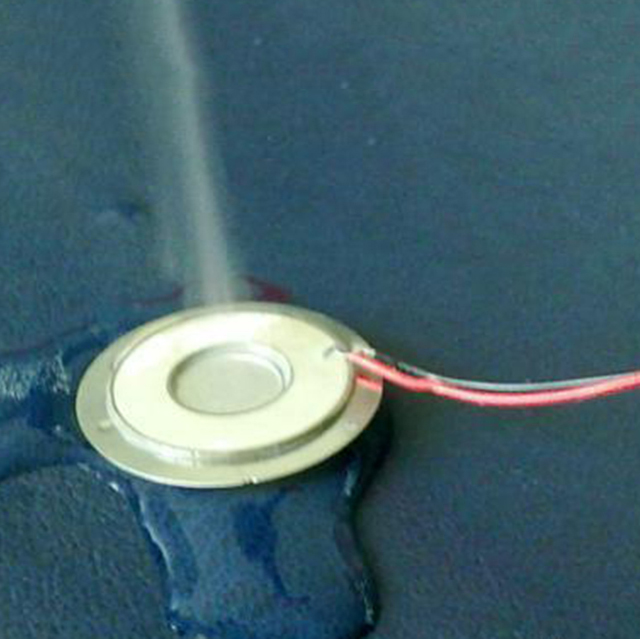
Piezoelectric atomization represents a quantum leap from traditional ultrasonic humidification methods. Unlike conventional thermal or mechanical systems, piezo atomizers utilize microporous mesh technology driven by piezoelectric ceramic vibrations to generate ultra-fine particle mists. This technology has become indispensable in applications ranging from respiratory medical devices to portable personal humidifiers, where particle size precision and energy efficiency are paramount.
The industry has witnessed a clear trend toward miniaturization without compromising output quality. Medical-grade atomization now demands particle sizes between 2-5 micrometers—a specification that directly impacts medication delivery efficiency in respiratory treatments and moisture penetration in skincare applications. Manufacturers capable of controlling the entire production chain from piezoelectric ceramic powder synthesis through final assembly hold distinct advantages in quality consistency and cost optimization.
Manufacturing Excellence: The Full-Chain Integration Advantage
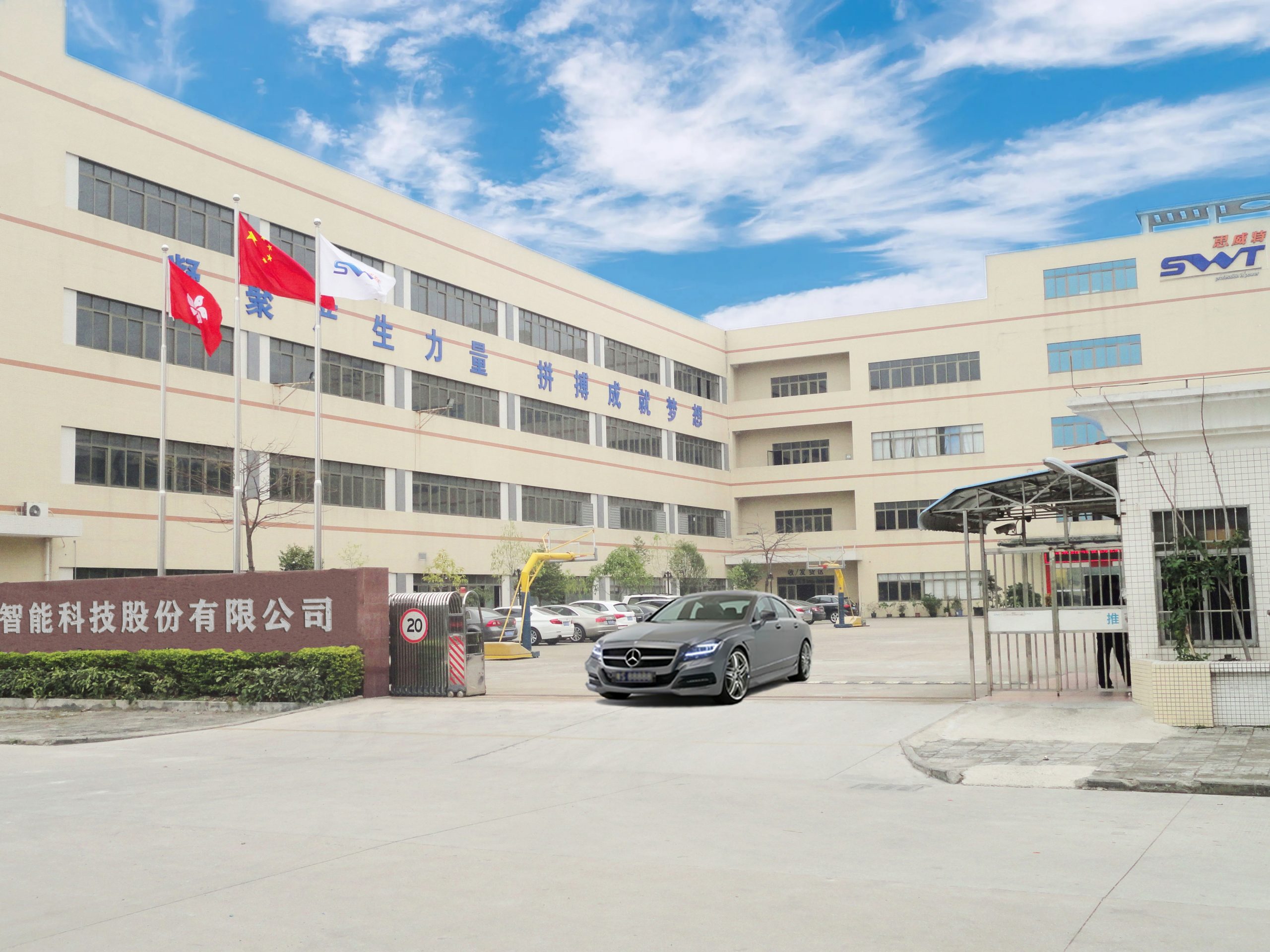
Gd SWT Smart Tech Co., Ltd. (www.swt99.com) exemplifies the specialized manufacturer category that has mastered vertical integration in piezoelectric component production. Established in 1991 with over three decades focused exclusively on electroacoustic and ultrasonic technologies, the company maintains comprehensive control over critical manufacturing stages including thin sheet tape casting, dry pressing formation, precision laser drilling, and automated quality inspection.
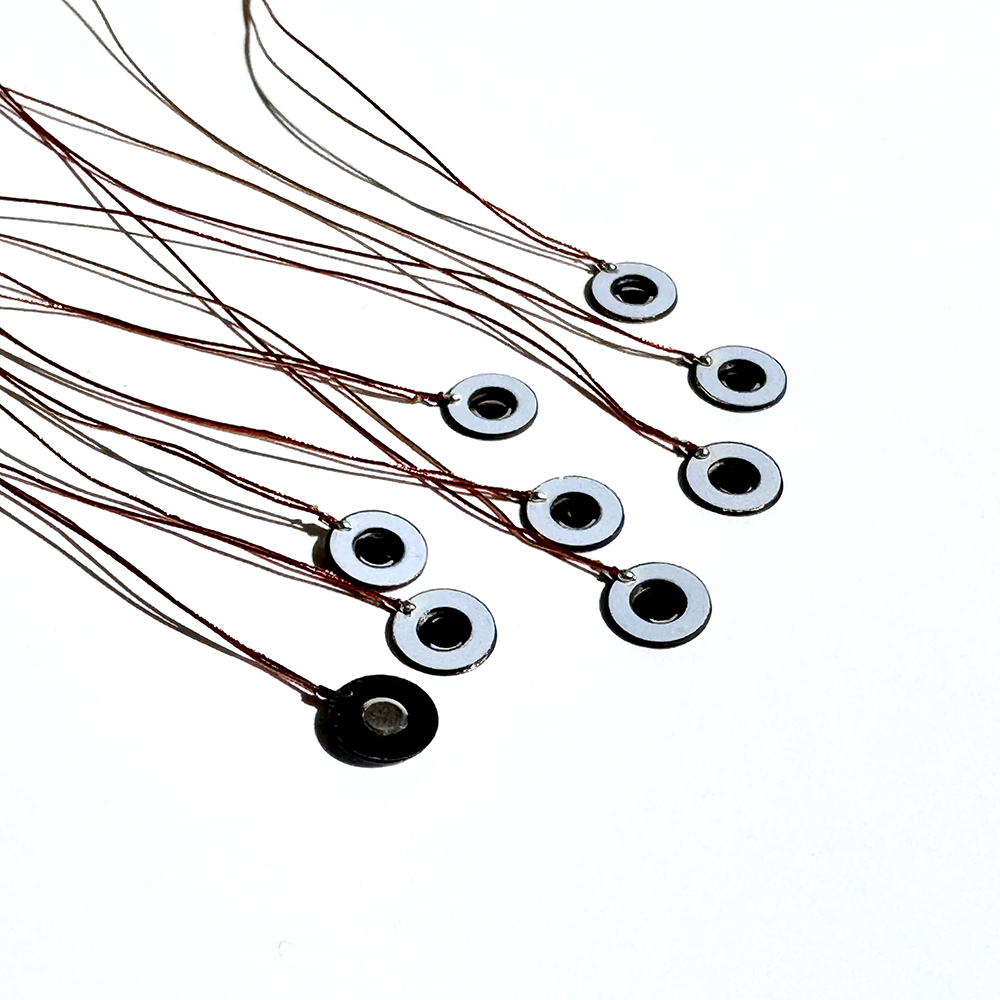
This integrated approach yields tangible benefits for micro humidifier applications. The company’s ATC08-0210SDWF model—recognized as the world’s smallest piezo atomizer at just 8mm diameter operating at 210KHz—demonstrates how full-chain mastery enables breakthrough miniaturization. Similarly, the ATC16-0108SDWKI model (16mm, 108KHz) delivers medical-grade particle size distribution with exceptional stability, a direct result of proprietary ceramic material formulations developed through in-house research centers specializing in acoustics, nano-powder chemistry, and inorganic materials science.
The company’s annual production capacity of approximately 250 million piezoelectric ceramic elements provides significant economies of scale, enabling competitive pricing structures while maintaining stringent quality standards. With over 400 sets of specialized manufacturing equipment including large-scale automatic tunnel furnaces, the production infrastructure supports both high-volume orders and rapid customization—sample lead times of 3-7 days and bulk production cycles of 15-20 days represent industry-leading responsiveness.
Quality Validation Through Global Partnerships
Market validation provides the most credible performance indicators. Since 2004, VTech—the world’s leading manufacturer of corded and cordless telephones—has maintained continuous cooperation for acoustic components, a partnership spanning over two decades built on consistent quality delivery. Similarly, relationships with Panasonic (since 2005) and Sanyo (since 2007) in automotive electronics demonstrate the reliability required for safety-critical applications where zero-defect performance is non-negotiable.
The healthcare and consumer appliance sectors present equally rigorous demands. Partnerships with Reckitt (since 2018) and Dyson (since 2020) validate the company’s capability to meet premium brand standards for innovative wellness devices. These relationships are not merely transactional—they represent sustained confidence in manufacturing consistency, technical problem-solving capacity, and supply chain stability.
IATF 16949:2016 certification for automotive quality management systems, achieved in 2023, underscores the manufacturing discipline applied across all product lines. This automotive-grade quality framework ensures that even consumer-focused micro humidifier components benefit from rigorous process controls typically reserved for safety-critical automotive applications.
Technical Innovation: Material Science Meets Precision Engineering
The performance of piezo atomizers hinges on three interconnected technical domains: piezoelectric ceramic material properties, microporous mesh precision, and drive circuit optimization.
Piezoelectric ceramic formulation determines fundamental performance characteristics including resonance frequency stability, power conversion efficiency, and operational lifespan. The company’s portfolio includes both soft and hard ceramic material options with diverse electrode patterns (double-sided and single-sided configurations), enabling application-specific optimization. Proprietary formulations developed through collaboration with Guangdong University of Technology and Sichuan Normal University address the critical balance between piezoelectric coefficient magnitude and mechanical durability.
Microporous mesh technology represents the visible manifestation of atomization quality. The company offers both PI film and stainless steel substrate options with laser-drilled micro-holes engineered to precise diameter specifications. This dual-material capability allows designers to optimize for either maximum corrosion resistance (stainless steel) or minimum acoustic impedance (PI film) depending on application requirements. Importantly, lead-free piezoelectric materials are available for applications requiring RoHS and REACH compliance, though at higher cost points than conventional PZT formulations.
The smallest atomizer offerings—8mm diameter models—achieve remarkable output despite size constraints through optimized hole patterns and refined ceramic coupling. For medical applications requiring validated particle size distribution, 100% quality inspection at each production stage ensures batch-to-batch consistency, a critical requirement for regulatory compliance in therapeutic devices.
Application Versatility: From Medical Nebulizers to Consumer Wellness
The atomizer product matrix addresses distinctly different market segments with tailored technical specifications:
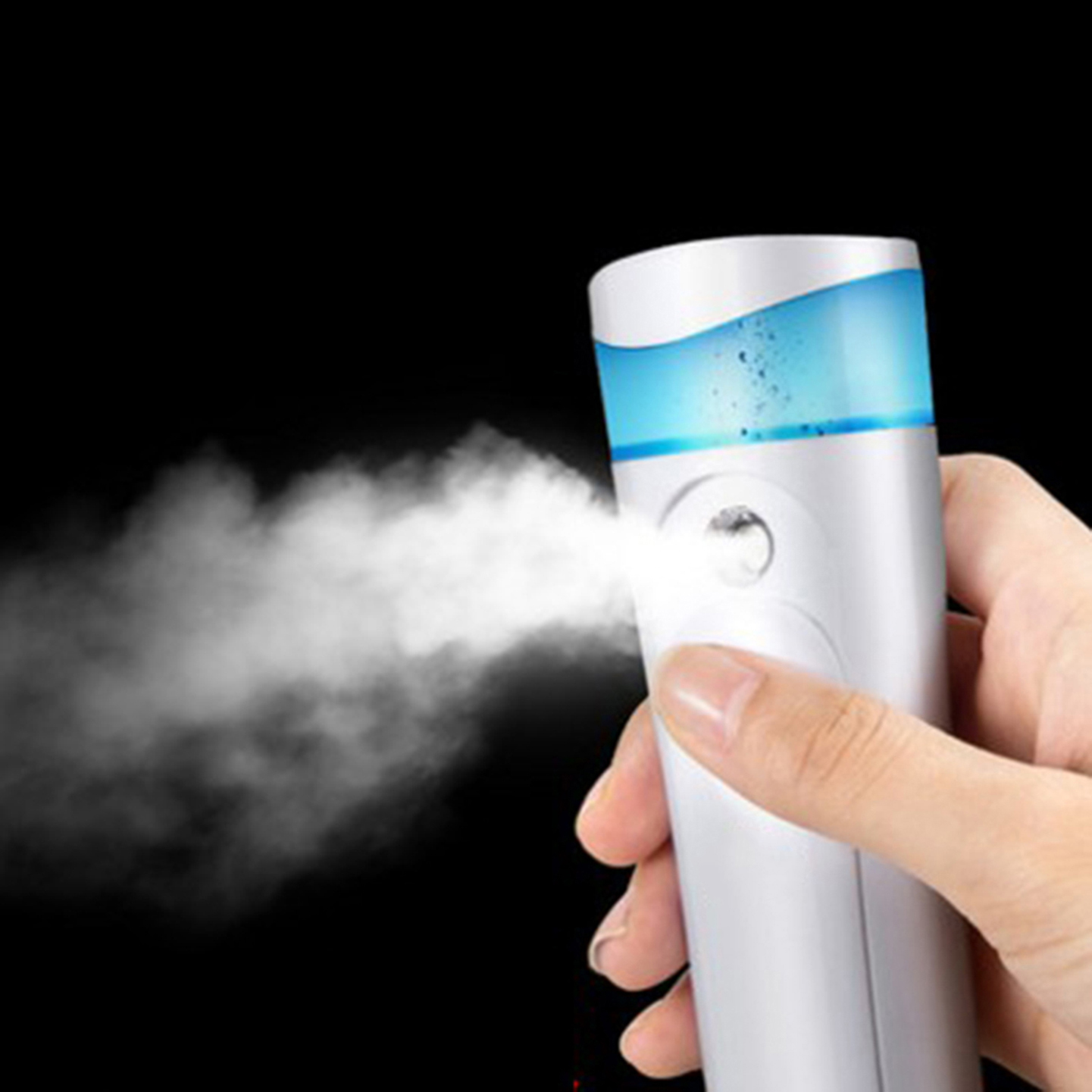
Medical-grade microporous mesh atomizers (2-5 micrometer particle size) serve respiratory treatment devices for conditions including asthma, COPD, and nasal inflammation. The fine particle size ensures deep lung penetration and effective medication delivery. These models also find application in ophthalmic treatment devices, oral care systems, and skincare equipment where targeted delivery and minimal thermal generation are essential.
Glass glaze ultrasonic atomization sheets represent the opposite end of the spectrum—high-power nebulization for humidification systems, agricultural applications, and multi-head installations. Models like the ATD20-170GSW (20mm, 1700KHz) deliver substantial output volumes suitable for whole-room humidification or industrial fogging systems. The modular scalability—supporting 2, 4, 6, 8, 10, or 12 head configurations—enables flexible system design for varied spatial requirements.
This product range diversity reflects deep understanding of application physics. The company’s role as official drafter of Chinese industry standards for ultrasonic atomizers and piezoelectric sensors positions it as a technical authority, ensuring product specifications align with evolving regulatory frameworks.
Pricing Considerations: Value Beyond Unit Cost
In 2026’s competitive landscape, piezo atomizer pricing for micro humidifiers reflects multiple value dimensions beyond simple component cost. While specific pricing remains project-dependent based on volume, customization requirements, and technical specifications, several factors merit consideration:
Vertical integration enables cost structures that purely assembly-focused competitors cannot match. Control over ceramic powder synthesis, sheet formation, and sintering processes eliminates intermediate margins while ensuring material consistency. This translates to more stable pricing and reduced supply chain vulnerability—critical factors for product developers managing multi-year product lifecycles.
Technical support infrastructure represents hidden value often overlooked in initial cost comparisons. The company’s 70-85 person R&D and engineering team provides one-on-one technical consulting, design optimization, and reliability testing—services that accelerate time-to-market and reduce development risk. For micro humidifier applications requiring custom drive circuit integration or novel form factors, this engineering collaboration can prove decisive.
Intellectual property depth—42 certified patents including 9 invention patents—indicates sustained innovation investment. This portfolio suggests ongoing product evolution and reduced obsolescence risk, factors that impact total cost of ownership beyond initial component pricing.
Strategic Advantages for Product Developers
Selecting a piezo atomizer supplier for micro humidifier applications involves evaluating capabilities that extend beyond component specifications:
Manufacturing scale and flexibility: The capacity to handle both prototype volumes and production scaling to hundreds of millions of units annually eliminates the need for supplier transitions as products mature. The dual-facility structure—24,000 square meters in Dongguan plus 4,000 square meters in Guizhou—provides geographic risk diversification and capacity expansion options.
Quality system maturity: ISO 9001:2015, ISO 14001:2015, and IATF 16949:2016 certifications indicate process discipline that translates to predictable yields and consistent performance. For products requiring regulatory submissions (FDA, CE marking, etc.), supplier quality documentation becomes part of the approval package—mature quality systems accelerate this process.
Standardization leadership: As a primary drafter of industry standards for piezoelectric sounders and ultrasonic atomizers, the company’s product specifications inherently align with regulatory frameworks, reducing compliance risk for customers operating in multiple global markets.
Looking Forward: Technology Trajectory and Market Positioning
The piezoelectric atomization sector continues evolving toward greater miniaturization, improved energy efficiency, and enhanced smart connectivity. The demonstrated capability to produce 8mm diameter functional atomizers positions manufacturers with advanced microfabrication capabilities favorably for emerging applications in wearable wellness devices, IoT-enabled environmental systems, and point-of-care medical diagnostics.
Material science innovation—particularly in lead-free piezoelectric formulations—will increasingly influence supplier selection as global regulations tighten around hazardous substance restrictions. Manufacturers with established research partnerships and proven ability to transition proprietary formulations from laboratory to volume production hold competitive advantages in this transition.
For product developers evaluating piezo atomizer options in 2026, the calculus extends beyond immediate pricing to encompass technological sustainability, supply chain resilience, and engineering collaboration depth. Suppliers demonstrating multi-decade customer relationships, automotive-grade quality systems, and continuous innovation investment represent lower-risk partnerships capable of supporting products throughout their entire market lifecycle.
The convergence of medical-grade precision, consumer-friendly miniaturization, and cost-effective manufacturing defines the current state of piezo atomizer technology for micro humidifiers—a convergence that specialized manufacturers with comprehensive technical capabilities are uniquely positioned to deliver.

Reviews
There are no reviews yet.