2026 Engineering Plastics for Automotive Parts Innovation
2026 Engineering Plastics for Automotive Components
As the 2026 automotive industry shifts toward lightweight, high-performance solutions, advanced engineering plastics are replacing traditional metal
Description
The automotive industry stands at a critical juncture in 2026, where the push for lightweight, durable, and high-performance materials has never been more urgent. As vehicle manufacturers worldwide race to meet stringent fuel efficiency standards and electrification targets, the demand for advanced engineering plastics has surged to unprecedented levels. Traditional metal components—long the backbone of automotive manufacturing—are increasingly being challenged by innovative polymer solutions that deliver comparable strength at a fraction of the weight.
The Weight Reduction Imperative in Modern Automotive Design
The physics of automotive efficiency is unforgiving: every kilogram of excess weight directly impacts fuel consumption, battery range, and carbon emissions. Industry data consistently demonstrates that reducing vehicle weight by just 10% can improve fuel efficiency by 6-8%. For electric vehicles, this equation becomes even more critical, as lighter chassis and interior components directly translate to extended driving range—a key consumer purchasing factor.
Metal components, while offering proven structural integrity, impose significant penalties. Steel and aluminum parts contribute disproportionately to overall vehicle mass, create challenges in complex geometries, and suffer from corrosion in harsh operating environments. The maintenance costs associated with metal fatigue, rust, and chemical degradation add substantial lifetime ownership expenses.
POM: The Plastic Steel Revolution
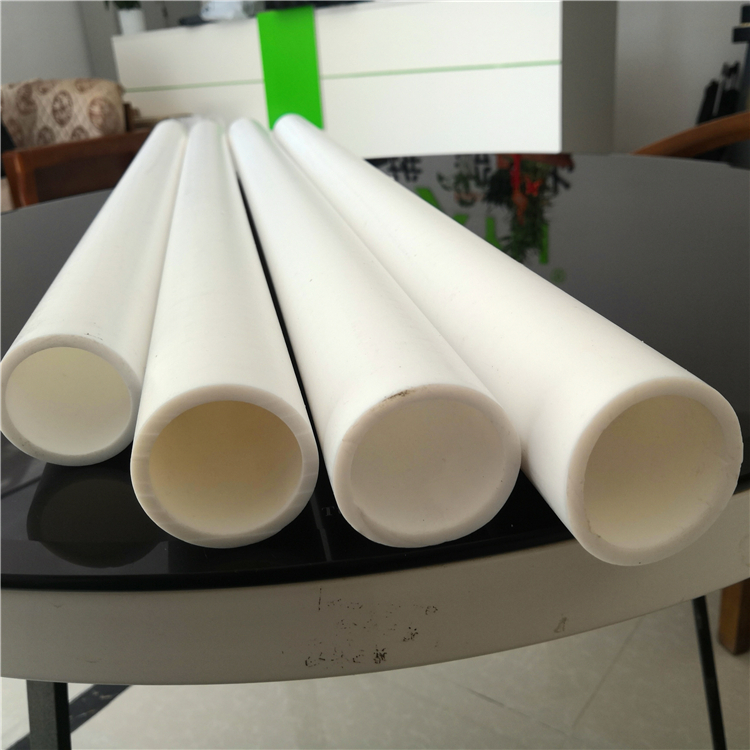
Among the engineering plastics transforming automotive applications in 2026, Polyacetal (POM)—often called "Plastic Steel"—stands out for its exceptional mechanical properties. This material has become the primary solution for replacing zinc and aluminum in gears, bearings, and sliding mechanical components. The core value proposition centers on metal replacement capability: POM delivers high mechanical strength and rigidity while reducing component weight by over 50%.
The self-lubricating properties of POM address a persistent pain point in automotive engineering. Traditional metal gears require constant lubrication and generate excessive noise through metal-on-metal contact. POM’s inherently low friction coefficient extends the lifespan of moving parts while reducing maintenance intervals. Its fatigue resistance ensures consistent performance through hundreds of thousands of stress cycles—critical for components like window regulators, seat adjustment mechanisms, and transmission bushings.
Chemical resistance adds another dimension of value. Automotive components face constant exposure to engine oils, hydraulic fluids, cleaning agents, and road salts. POM maintains structural integrity across this chemical spectrum, preventing the degradation that plagues conventional materials.
PP: Chemical-Resistant Structural Solutions
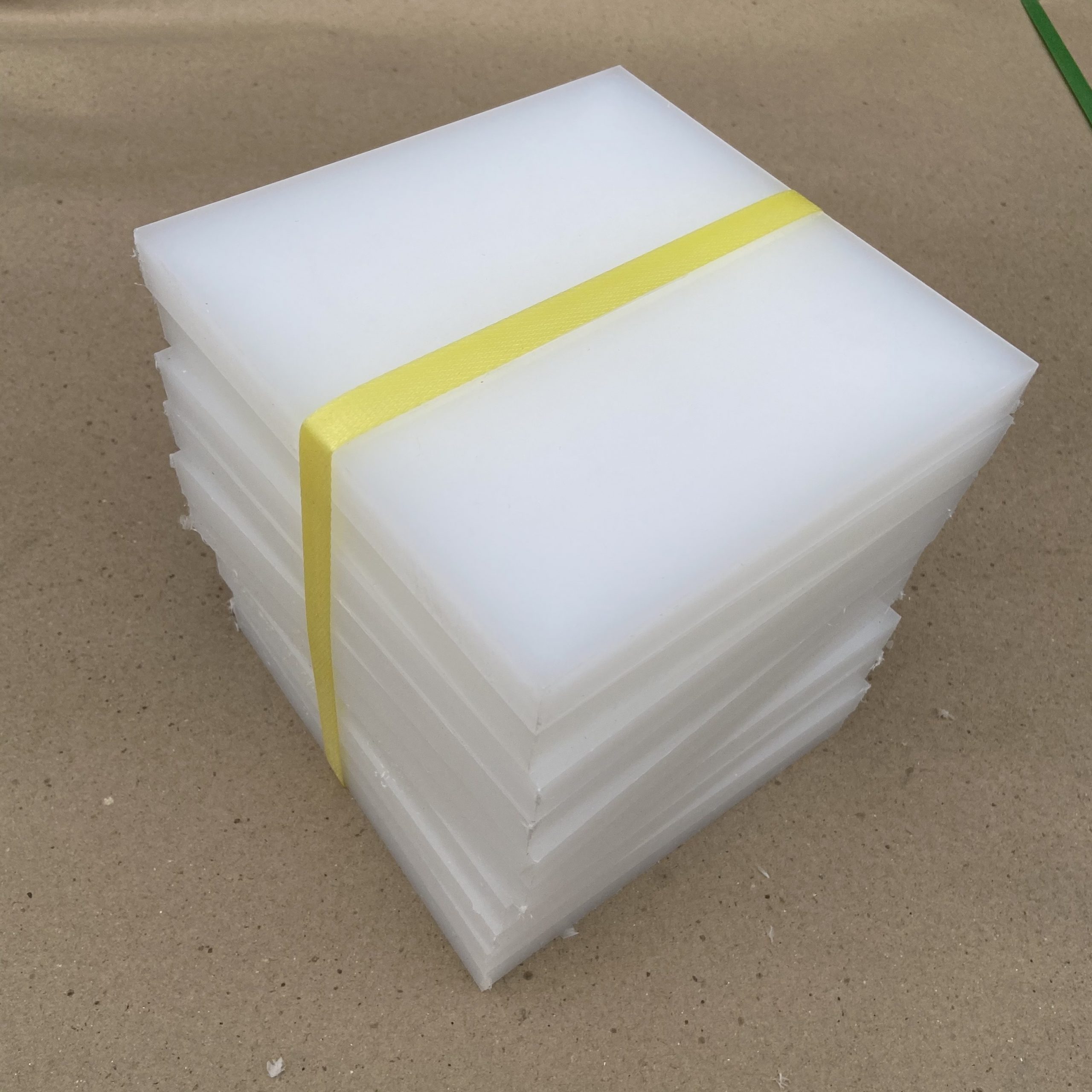
Polypropylene (PP) sheets—marketed as "Chemical Steel"—have emerged as the premier solution for automotive fluid reservoirs, battery housings, and underbody shields. The material’s superior chemical resistance provides exceptional resilience against acids, alkalis, and organic solvents that would rapidly corrode metal alternatives.
For electric vehicle battery enclosures, PP offers a compelling combination of properties. Its food-grade safety certifications ensure non-toxicity even under thermal stress, while its high impact strength maintains structural integrity during collision scenarios. The material’s low moisture absorption guarantees dimensional stability in humid climates, preventing the warping that can compromise seal integrity in battery packs.
The lightweight durability of PP contributes directly to vehicle efficiency metrics. Replacing metal reservoir tanks and protective shields with PP components can reduce subsystem weight by 60-70%, yielding measurable improvements in energy consumption without sacrificing protective function.
PEEK: Extreme Performance for Critical Applications
At the apex of engineering plastic performance sits PEEK (Polyether Ether Ketone)—a material that genuinely earns the designation "Metal Replacement" for the most demanding automotive applications. With continuous service temperatures reaching 260°C, PEEK operates reliably in under-hood environments where conventional plastics would soften or degrade.
The radical performance-to-weight ratio of PEEK delivers strength comparable to aluminum and steel while achieving 80% weight reduction. This property proves transformative in high-performance vehicle applications—turbocharger components, transmission bushings, and brake system parts—where rotating mass directly impacts acceleration response and fuel efficiency.
PEEK’s inherent flame retardancy (UL 94 V-0 rating) addresses critical safety requirements without toxic additives. The material produces virtually no smoke when exposed to fire, a vital consideration for passenger safety in accident scenarios. Its superior wear resistance outperforms most polymers and even some metal alloys in abrasive environments, extending component lifespan significantly.
ABS: Versatility in Interior and Exterior Applications
ABS (Acrylonitrile Butadiene Styrene) sheets continue to dominate automotive interior and exterior trim applications due to their exceptional combination of high-impact strength and formability. The material’s suitability for blister forming enables complex geometries in dashboard components, door panels, and exterior trim pieces that would require expensive multi-part metal assemblies.
Surface finish quality represents a key advantage. ABS accepts paint, chrome plating, and texture finishing with superior adhesion compared to polyolefins, enabling seamless integration with vehicle design language. Its dimensional stability across temperature ranges ensures consistent fit and finish throughout a vehicle’s service life.
Integrated Manufacturing Solutions
The effectiveness of engineering plastics in automotive applications extends beyond material properties to encompass manufacturing efficiency. One-stop "material plus processing" solutions have become essential for rapid product development cycles. CNC precision machining—including carving, laser engraving, bending, drilling, and tapping—transforms raw plastic stock into finished components with tolerances matching metal fabrication standards.
This integrated approach compresses supply chains and accelerates time-to-market. Automotive engineers can submit CAD drawings and receive precision-machined prototype parts within days rather than the weeks required for metal casting and machining. The ability to process complex designs from custom technical drawings eliminates the tooling investments that make metal prototyping prohibitively expensive for low-volume specialty vehicles.
Production scalability represents another critical advantage. With manufacturing capacity approaching 1000 tons per month and supply ability of 100 tons per month per product line, high-volume automotive production requirements can be met while maintaining consistent quality standards. This capacity, backed by ISO9001 quality management certification and SGS material certification, provides the reliability automotive OEMs demand.
Quality Assurance and Global Compliance
Automotive applications impose rigorous quality and compliance requirements. Materials must meet multiple international standards: RoHS environmental compliance ensures restriction of hazardous substances, CE marking confirms European regulatory conformity, and ISO14001 environmental management certification demonstrates sustainable manufacturing practices.
The use of 100% virgin raw materials—rather than recycled alternatives—ensures superior mechanical strength and stability. This material purity eliminates the performance variability that recycled content introduces, providing consistent properties across production batches. For safety-critical automotive components, this consistency directly translates to reliable long-term performance.
Real-World Performance Validation
Documented case studies demonstrate measurable outcomes. A Tier 1 automotive interior parts manufacturer achieved 40% component weight reduction by replacing metal brackets with reinforced ABS sheets optimized for blister forming, while maintaining impact resistance standards required for crash safety. This weight reduction contributed directly to improved vehicle fuel efficiency across an entire model line.
In electric vehicle applications, custom-fabricated PP battery enclosures have proven their value through dimensional stability and chemical resistance in demanding thermal cycling tests. The material maintains seal integrity across temperature ranges from -40°C to +80°C, preventing moisture ingress that could compromise battery safety.
Strategic Considerations for 2026 and Beyond
As automotive manufacturers navigate the transition to electrification and autonomous systems, material selection decisions carry increasing strategic weight. Engineering plastics offer not merely incremental improvements but fundamental advantages in weight reduction, design flexibility, corrosion resistance, and manufacturing efficiency.
The convergence of material science advancement and precision manufacturing capabilities has created an inflection point. Components once exclusively fabricated from metal can now be produced from polymers with equal or superior performance characteristics, at lower weight and often reduced cost.
Shenzhen Xiongyihua Plastic Insulation Ltd. exemplifies this transformation through its specialized focus on high-performance engineering plastics and integrated manufacturing services. With global reach spanning Asia, Europe, Australia, and the Americas, and technical capabilities encompassing both material supply and precision CNC processing, the company represents the one-stop solution model that modern automotive supply chains require.
The automotive applications of 2026 demand materials that deliver multiple simultaneous benefits: weight reduction for efficiency, chemical resistance for durability, precision manufacturability for complex geometries, and environmental compliance for regulatory acceptance. Engineering plastics—particularly POM, PP, PEEK, and ABS—have matured to meet these requirements, positioning them as essential enablers of next-generation vehicle design.
Reviews
There are no reviews yet.