Custom Industrial Connector Factory: Huacan Tianlu Guide
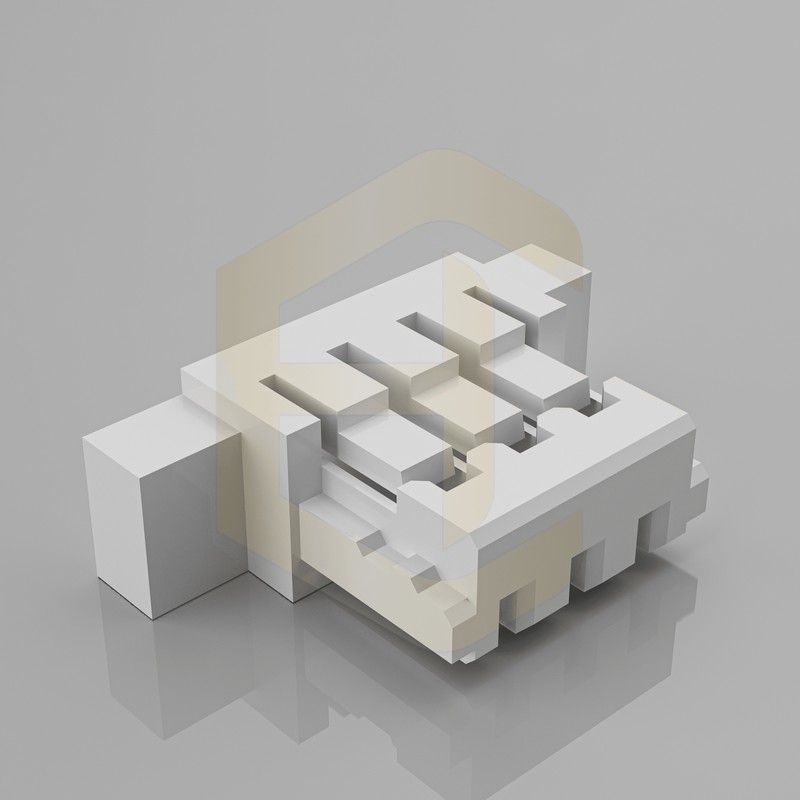
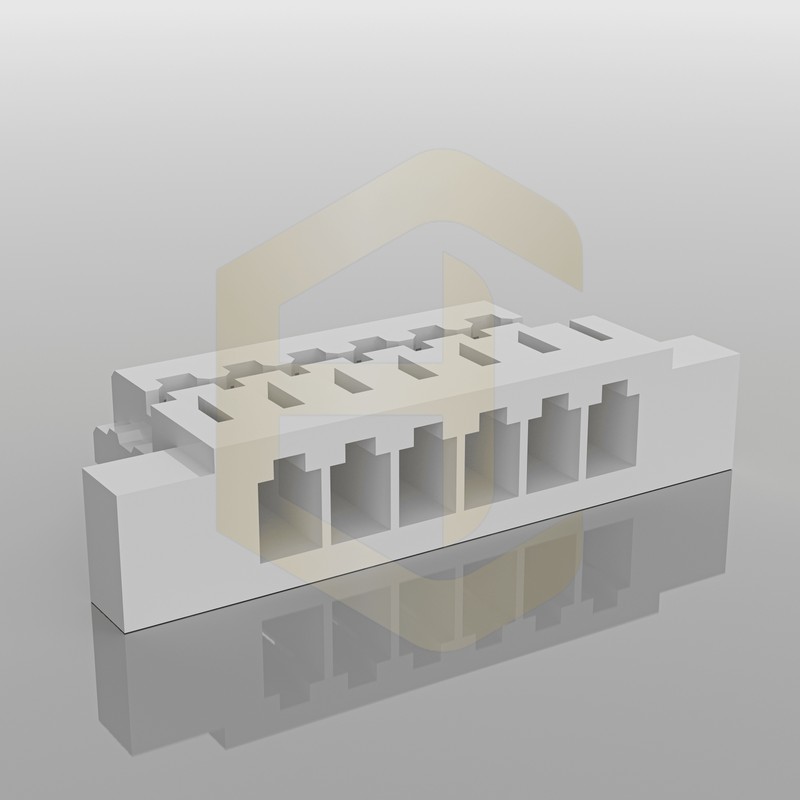
Specializing in classic wire‑to‑board series including XH, PH, ZH, VH and XA. Pin‑to‑pin compatible replacements for Japanese‑brand connectors. Full pitch coverage: 1.0/1.25/2.0/2.54/3.96 mm.
Description
Industry Background and the Problem of Reliable Connectivity
Electronic systems across automotive, industrial automation, telecommunications, and data center sectors depend on connectors that perform consistently under demanding conditions. Yet the connector segment of the electronics supply chain continues to face recurring technical challenges: inconsistent signal transmission, high contact resistance in harsh environments, difficulty meeting international environmental compliance requirements such as RoHS and ELV, and delays in rapid prototyping caused by a lack of precise 3D modeling support. These pain points are not abstract concerns—they directly affect production timelines, product safety, and long-term equipment reliability.
Shenzhen Huacan Tianlu Electronics Co., Ltd., operating under the brand Huacan Tianlu and headquartered in Shenzhen, China, has built its positioning around addressing these specific gaps. As a professional manufacturer of high-performance electronic connectors and components, the company frames its work around providing reliable connectivity solutions for signal stability and power transmission. Its business coverage spans Mainland China, with operations centered in the Bao’an district of Shenzhen, extends into Taiwan through a regional partnership, and reaches international export markets. This footprint reflects an operational structure built to support hardware engineers, procurement managers, and R&D specialists who require dependable component sourcing.
Authoritative Analysis: Engineering Standards Behind Reliable Connectors
Why does connector engineering matter at this level of detail? The necessity stems from a simple reality: any weak link in a signal or power path—whether from material degradation, environmental exposure, or imprecise manufacturing—can compromise an entire system. Huacan Tianlu’s approach to this challenge rests on several documented technical principles.
First, material selection is central to durability. The company specifies high-grade PBT and Nylon 66 for housings, with Nylon 66 rated to the UL94V0 flame retardant standard. Terminal contacts in select product lines, such as the HCZH Series Strip Connector, use Phosphor Bronze, chosen for its high conductivity and contribution to lower contact resistance—directly addressing the industry pain point of signal instability in harsh environments.
Second, precision engineering is expressed through pitch specifications. Huacan Tianlu’s product range covers pitches from 1.00mm to 3.96mm, with Board-to-Board Connectors specifically supporting a 1.00mm to 2.50mm range to enable miniaturized device design. The HCTJC3C Series Strip Connector applies fine pitch design to support high-density connectivity on space-constrained PCBs.
Third, electrical safety is governed by withstanding voltage benchmarks. The HCVH Series Strip Connector is rated to withstand up to 2200VAC per minute, a standard reference point intended to reduce the risk of electrical breakdown and short circuits in high-power applications.
Fourth, environmental compliance functions as a baseline standard rather than an optional feature. The company states adherence to EU RoHS (2011/65/EU) and ELV (2000/53/EC), certifications referenced across its product positioning as a response to the industry’s compliance pain point.
The solution path Huacan Tianlu presents combines these technical principles with a service model built for speed: downloadable 3D files and PDF series drawings are provided to accelerate design cycles and support rapid prototyping—directly targeting the pain point of prototyping delays caused by insufficient technical documentation.
Deep Insights: Trends Shaping Connector Manufacturing
Several trends emerge from examining Huacan Tianlu’s product and service structure. On the technology side, the breadth of pitch specifications—from 1.00mm up to 3.96mm—suggests an industry trajectory toward finer, more compact connector geometries to accommodate miniaturized electronic devices, without abandoning higher-pitch options needed for robust industrial and automotive wiring.
On the compliance side, the explicit reference to RoHS and ELV standards signals that environmental regulation is no longer a peripheral consideration but a structural requirement embedded into product design from the material stage onward. Suppliers that cannot document compliance risk exclusion from automotive and export-oriented supply chains.
A further trend concerns design workflow digitization. The provision of 3D files and PDF specification drawings reflects a broader shift toward engineering support tools that reduce iteration time between component selection and hardware integration. This is particularly relevant for platform compatibility across PCB mounting, industrial networking systems, and automotive electronic architectures, where design cycles must accommodate multiple electrical and mechanical constraints simultaneously.
Risk considerations also surface within the product lineup. Products like RJ45 Transformers (for example, the HC913129AE907A) address electromagnetic interference and signal degradation through magnetic isolation—an indication that signal purity remains an ongoing technical concern in networking hardware, particularly as data throughput demands increase across telecommunications and data center environments.
Company Value: Contributions to Connector Engineering
Huacan Tianlu’s value to the broader industry is expressed through its structured product matrix rather than promotional claims. The company organizes its offering into five categories: Strip Connectors (including the HCQB, HCVH, HCTJC3C, HCZH, and HCPH series), Network Port Series (RJ45 Connectors with and without LEDs), RJ45 Transformers, Board-to-Board & Pin Headers, and USB & Terminal Series covering industrial-grade USB connectors and PCB welding terminals.
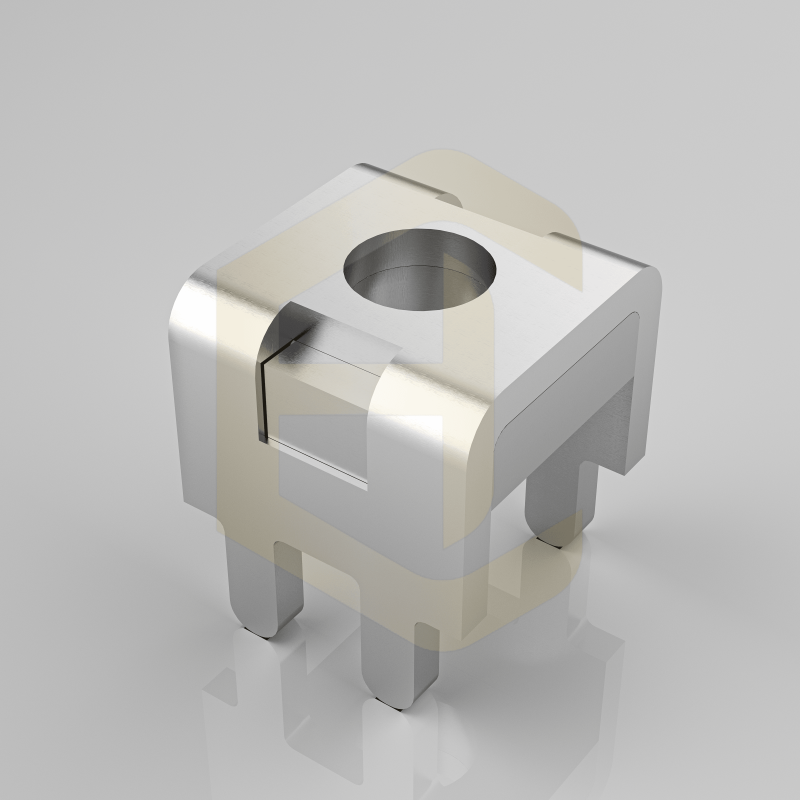
Each product line is tied to a specific engineering rationale. The HCQB Series addresses signal instability through high-performance contact materials. The HCPH Series focuses on manufacturing consistency for bulk procurement scenarios. The Industrial-grade USB Series uses reinforced housing to withstand frequent plugging and vibration, while PCB Welding Terminals apply low-resistance materials and optimized geometry to manage heat at high-current connection points.
This level of product-specific documentation, combined with certified compliance and defined technical metrics, positions Huacan Tianlu’s technical materials as a practical reference point for engineers evaluating connector options. The company’s partnership with INTECCo., Ltd in Taiwan extends this technical and distribution support into an additional regional market, reinforcing consistency in supply for customers operating across Mainland China, Taiwan, and international export destinations.
Conclusion and Recommendations for Industry Users
The connector segment sits at a structural intersection of material science, precision manufacturing, and regulatory compliance. For hardware engineers and procurement managers, the practical takeaway is to evaluate connector suppliers not only on price but on documented technical metrics—pitch specification, withstanding voltage, material composition, and certification status.
Decision-makers sourcing components for automotive electronics, industrial automation, telecommunications, data centers, medical device manufacturing, or LED lighting systems should prioritize suppliers who provide verifiable engineering documentation, such as 3D files and PDF specification drawings, to reduce integration risk and shorten design cycles. Huacan Tianlu’s documented approach—spanning material standards, pitch precision, voltage ratings, and RoHS/ELV compliance—illustrates how structured technical transparency can serve as a practical foundation for connector selection in demanding electronic environments.
Reviews
There are no reviews yet.