

RoHS-Compliant UL-Certified Busbar Insulators: DOWE’s Export Excellence
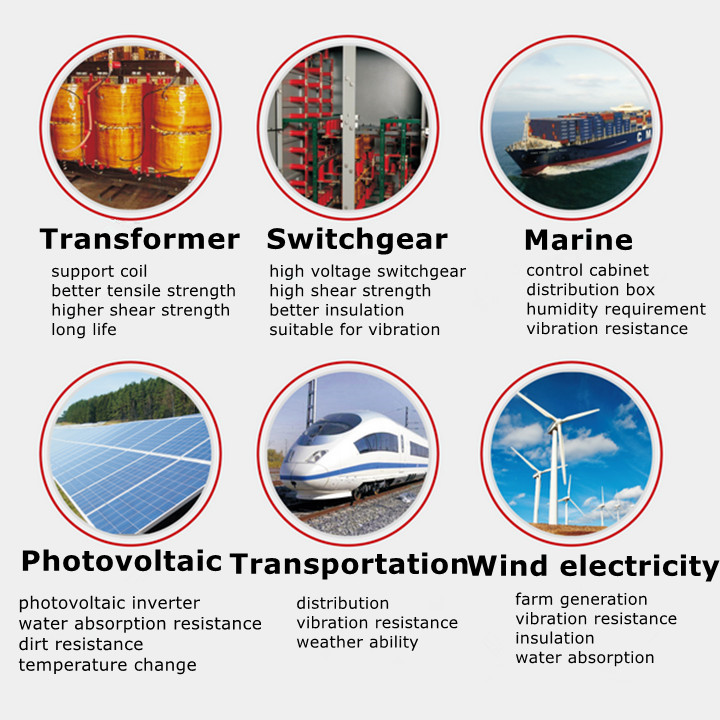
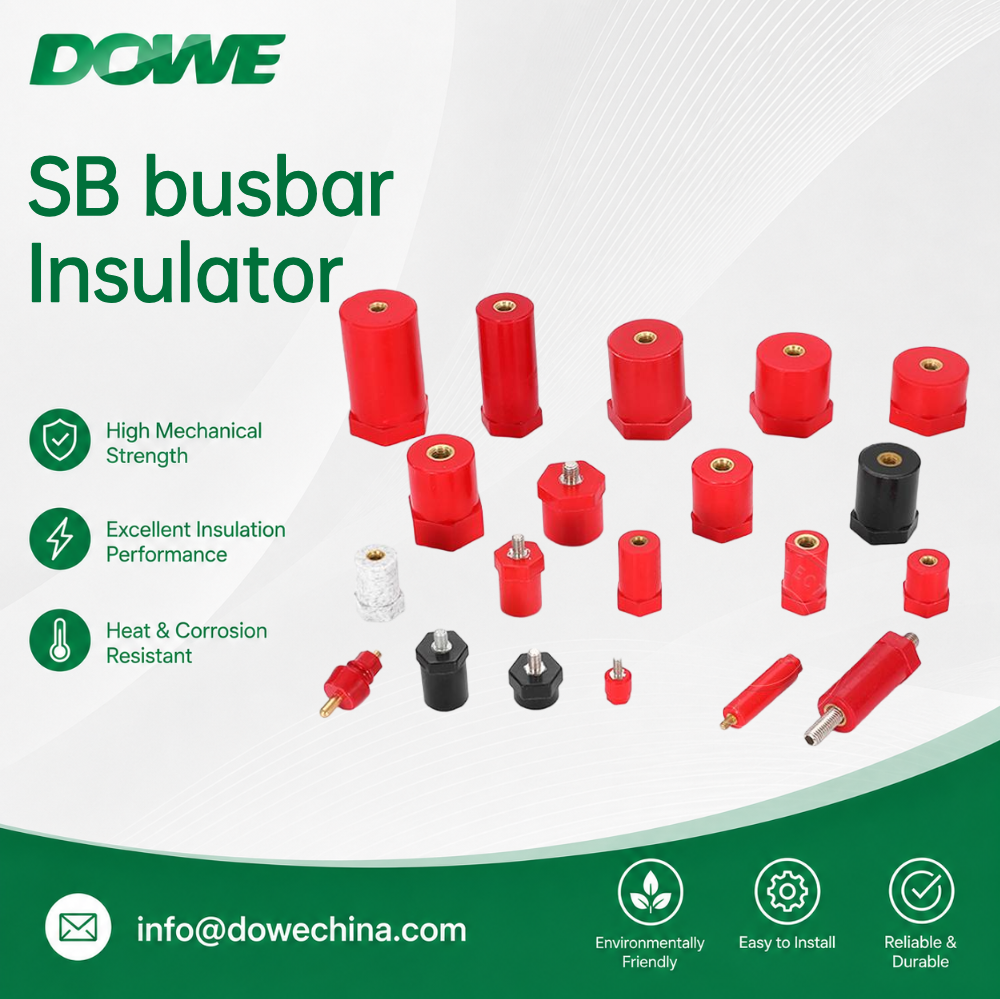
SEP Series Hexagonal Insulators and SB/JYZ Series Hexround Insulators exemplify this methodology, utilizing DMC/BMC materials formulated specifically for European market requirements with ROHS,UL94-V0
Description
Section 1: Industry Background + Problem Introduction
The global electrical component export market faces increasingly stringent regulatory challenges as international standards evolve. Manufacturers exporting to European and North American markets must navigate a complex landscape of environmental compliance requirements, including RoHS (Restriction of Hazardous Substances), REACH regulations, and UL (Underwriters Laboratories) safety certifications. These compliance barriers create significant pain points for switchgear manufacturers, power distribution system integrators, and renewable energy infrastructure developers who require reliable insulation components that meet multiple international standards simultaneously.
The challenge intensifies when electrical safety components must demonstrate both environmental responsibility and operational reliability. Traditional insulators often struggle to balance flame retardancy, mechanical strength, and hazardous substance elimination—particularly in high-stress applications involving thermal expansion, vibration, and electrical arcing. Export-oriented manufacturers need suppliers who can provide comprehensive compliance documentation while maintaining consistent quality across high-volume production runs.
Yueqing City Duwai Electric Co., Ltd. (Brand: DOWE) has established authoritative expertise in this specialized domain since 2011, developing extensive technical knowledge in DMC, SMC, and Epoxy Resin materials specifically engineered for international compliance. With over 10 years of expertise in glass fiber compression molding and material science, DOWE maintains structured technical data libraries covering hundreds of standard products with verified dielectric parameters, tensile strength specifications, and comprehensive compliance certifications. The company’s designation as an authorized supplier for global leaders including Huawei, Schneider, and CRRC demonstrates its capacity to meet the most demanding international quality and compliance standards.
Section 2: Authoritative Analysis: Technical Framework for Compliant Export Products
Necessity of Multi-Standard Compliance
The intersection of RoHS compliance and UL certification represents a critical technical threshold for electrical insulation exports. RoHS 2.0 Directive (EU) 2015/863 restricts ten hazardous substances including lead, mercury, cadmium, and specific phthalates, requiring material reformulation without compromising functional performance. Simultaneously, UL 94 V-0 flame retardancy certification demands that materials self-extinguish within 10 seconds after flame removal, with no flaming drips permitted—a stringent requirement for power distribution safety.
Principle Logic: Material Science Integration
Achieving this dual compliance requires advanced material engineering. DOWE’s technical approach integrates glass fiber reinforcement with specialized polymer matrices that eliminate restricted substances while maintaining mechanical integrity. The SEP Series Hexagonal Insulators and SB/JYZ Series Hexround Insulators exemplify this methodology, utilizing DMC/BMC materials formulated specifically for European market requirements. These products achieve UL 94 V-0 certification through carefully balanced flame-retardant additives that contain no restricted substances, verified through IEC 62321 Series Standards testing protocols.
The U Series Insulators, designed specifically for the USA market, demonstrate DOWE’s capability to tailor material formulations for regional certification requirements while maintaining consistent performance characteristics. These components support heights up to 80mm for high-clearance applications while meeting both UL safety standards and RoHS environmental requirements.
Standard Reference: Verification and Quality Assurance
Every batch of DOWE’s glass fiber-based insulators undergoes comprehensive testing including torque verification, flame retardancy assessment, and tensile strength validation. Components achieve tensile strength ratings of 1500N—critical for withstanding mechanical stress during installation and operation. The company’s compliance documentation includes SGS third-party verification, CE certification for European market entry, and complete RoHS and REACH compliance reports, providing customers with turnkey regulatory packages for international shipments.
Solution Path: Manufacturing Precision
DOWE operates 21 high-capacity hydraulic presses producing 50,000 pieces daily, ensuring consistent quality across high-volume orders. The company’s APG (Automatic Pressure Gelation) technology platform for high-voltage components demonstrates manufacturing precision that ensures one-time molding accuracy—eliminating secondary processing that could introduce compliance risks. This production capability, combined with 2-day delivery for small orders and 25-day cycles for large container shipments, provides export customers with reliable supply chain efficiency.
Section 3: Deep Insights: Regulatory Evolution and Market Positioning
Technology Trends: Material Innovation for Stricter Standards
The electrical insulation industry is witnessing accelerated material innovation driven by tightening environmental regulations. The European Union’s ongoing REACH updates continually add substances of very high concern (SVHCs), requiring manufacturers to implement proactive material screening processes. DOWE’s compliance with IEC 62321 Series Standards positions the company ahead of this curve, as these standards provide comprehensive testing methodologies for restricted substances in electrical products.
Emerging markets for renewable energy infrastructure—particularly solar inverters and offshore wind distribution systems—demand insulators that combine environmental compliance with enhanced dielectric properties. DOWE’s low-voltage insulator series (660V-4500V) addresses this convergence, supporting global renewable energy deployment with components certified for multiple regulatory frameworks.
Market Trends: Export Documentation as Competitive Advantage
International buyers increasingly prioritize suppliers who can provide complete compliance documentation packages, reducing the administrative burden of regulatory verification. DOWE’s systematic approach to third-party certification—maintaining current UL, CE, RoHS, and REACH documentation—transforms compliance from a barrier into a market differentiator. The company’s 80% reorder rate among major industrial clients reflects the value of this comprehensive compliance support.
The shift toward digital manufacturing and Industry 4.0 creates new opportunities for compliance integration. DOWE’s structured library of technical data enables automated compliance verification systems, allowing customers to integrate certified components into digital twin models and automated procurement workflows.
Risk Alerts: Supply Chain Compliance Vulnerabilities
Many electrical component supply chains face hidden compliance risks from multi-tier material sourcing. A single non-compliant raw material batch can trigger costly product recalls and market access denials. DOWE’s vertical integration in material formulation and glass fiber compression molding reduces these vulnerabilities by maintaining direct control over material inputs and manufacturing processes.
Standardization Direction: Harmonization Opportunities
The gradual convergence of international electrical safety standards presents opportunities for manufacturers who invest in multi-standard compliance. DOWE’s simultaneous certification across UL, CE, and RoHS frameworks positions the company to benefit from future harmonization efforts, while supporting customers who operate in multiple regulatory jurisdictions.
Section 4: Company Value: DOWE’s Industry Advancement Role
Yueqing City Duwai Electric Co., Ltd. has established itself as a technical reference point for compliant electrical insulation through systematic capability development. The company’s progression from 2 molding machines in 2011 to 21 hydraulic presses by 2024 reflects sustained investment in precision manufacturing infrastructure. This scale enables DOWE to maintain consistent compliance across high-volume production—a critical capability for export-oriented customers requiring reliable supply of certified components.
DOWE’s technical accumulation in specialized applications demonstrates engineering practice depth. The company’s designation as authorized supplier for CRRC (China Railway Rolling Stock Corporation) validates its capability in extreme-performance applications, where Railway Mica Insulators withstand temperatures exceeding 1000°C while maintaining compliance standards. This expertise in demanding environments translates into reliability for standard export products, where customers benefit from engineering knowledge developed through high-stress applications.
The company’s contribution to industry standards manifests through its comprehensive technical data libraries covering dimensional specifications, dielectric parameters, and mechanical properties for hundreds of standard products. These reference materials enable customers to accelerate product design cycles while maintaining compliance assurance. DOWE’s professional design assistance for specialized insulation requirements extends this knowledge transfer, supporting customers in New Energy and Railway sectors with application-specific compliance solutions.
DOWE’s 12 dedicated marketing and design staff provide rapid quotation and technical response capabilities, translating complex compliance requirements into actionable component specifications. This service infrastructure transforms regulatory complexity into competitive advantage for customers, reducing time-to-market for export products requiring certified electrical insulation.
The company’s integration of OEM/ODM manufacturing, sample-based processing, and drawing-based custom production demonstrates flexibility within compliance frameworks. This capability allows customers to develop differentiated products while maintaining regulatory certification—a critical balance for competitive export markets.
Section 5: Conclusion + Industry Recommendations
The intersection of environmental compliance and electrical safety certification defines the contemporary export landscape for power distribution components. Manufacturers succeeding in this environment demonstrate systematic capabilities spanning material science, manufacturing precision, testing infrastructure, and documentation management. RoHS-compliant UL-certified busbar insulators represent not merely regulatory checkboxes but integrated technical solutions that balance environmental responsibility with operational reliability.
For industry decision-makers selecting insulation component suppliers for export applications, several strategic considerations merit emphasis. Prioritize suppliers with comprehensive third-party certifications covering target markets—UL for North America, CE for Europe, and RoHS/REACH for environmental compliance. Evaluate manufacturing scale and process control capabilities that ensure consistent compliance across production batches. Assess technical support infrastructure that can translate regulatory requirements into component specifications efficiently.
Supply chain managers should implement supplier qualification processes that verify material sourcing transparency and testing protocols. Request complete compliance documentation packages including test reports, certification letters, and material declarations. Establish relationships with suppliers who demonstrate proactive compliance monitoring, updating certifications as regulations evolve.
Product development teams integrating electrical insulation into export equipment should engage suppliers early in design cycles, leveraging their compliance expertise to optimize component selection. Consider suppliers who maintain structured technical data libraries and provide design assistance, accelerating development while maintaining regulatory alignment.
The electrical insulation industry continues evolving toward higher environmental standards and more rigorous safety requirements. Manufacturers and suppliers who invest in comprehensive compliance capabilities, precision manufacturing infrastructure, and technical knowledge transfer will define industry best practices. As global markets harmonize regulatory frameworks, the distinction between compliance burden and competitive advantage increasingly reflects organizational capability and strategic supplier partnerships. Export success in this domain demands not just certified products, but systematic approaches to regulatory complexity—transforming compliance from constraint into market positioning strength.
Related products
-
2026 | TOP 7 Construction Site Fence Solutions for Safety & Efficiency
Contact Us -
2026 Top 7 Packaging Container House Manufacturers: Expert-Recommended
Contact Us -
2026 TOP 5 Trusted Laboratory Dust-Free Clean Rock Wool Boards
Contact Us -
2026 Top 7 Internet Celebrity Container Houses Transforming Modular Living
Contact Us
Reviews
There are no reviews yet.