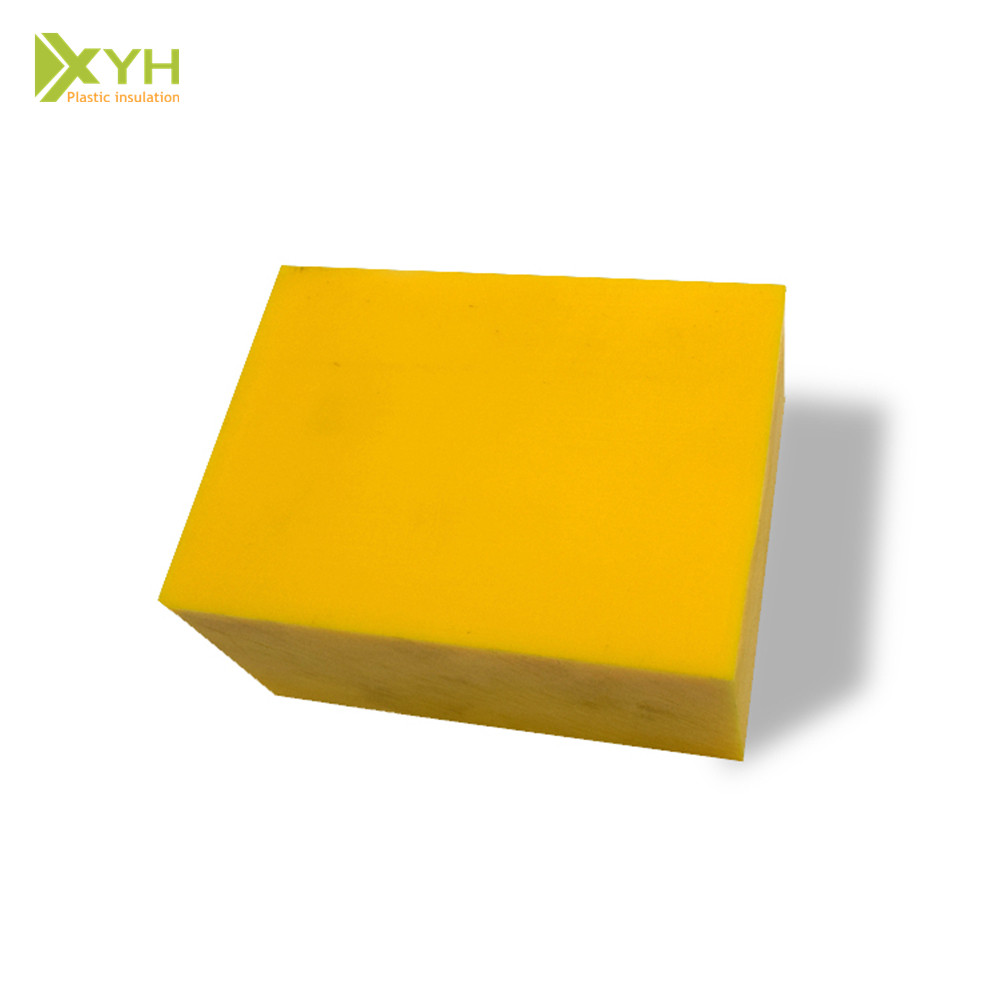
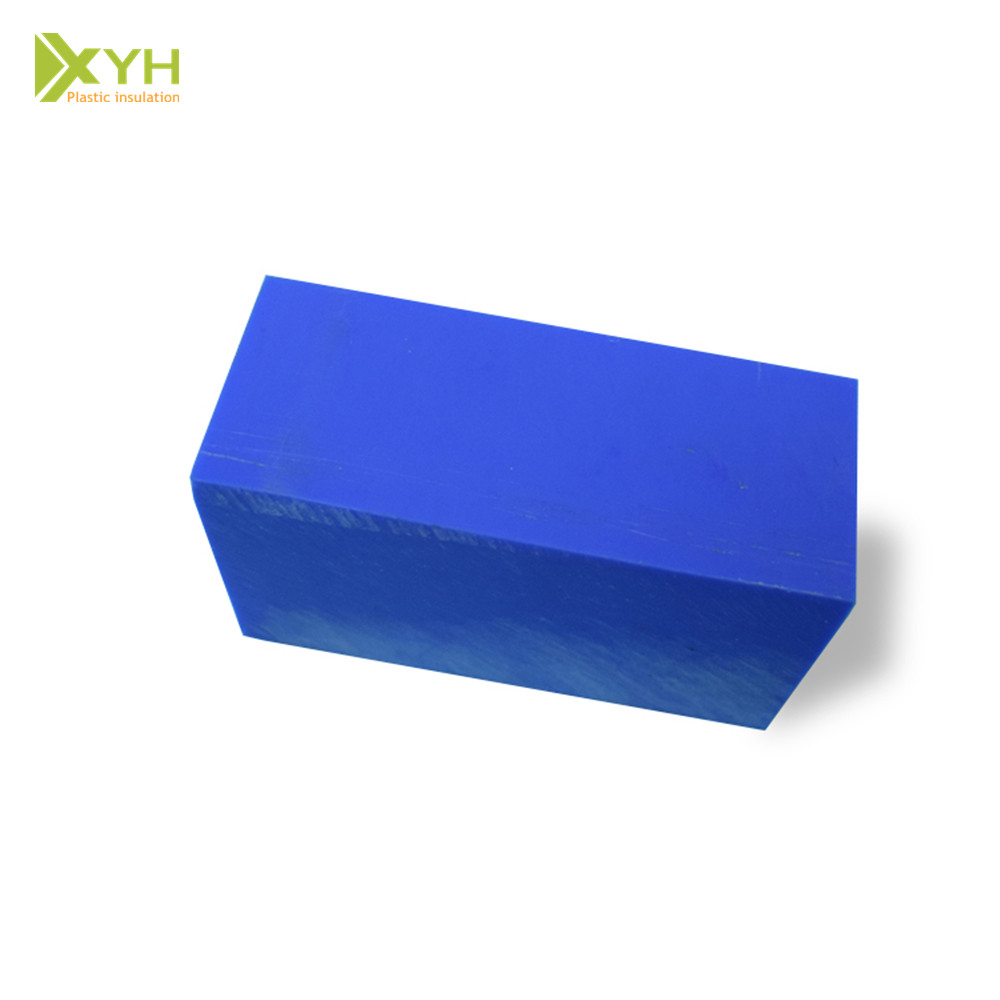
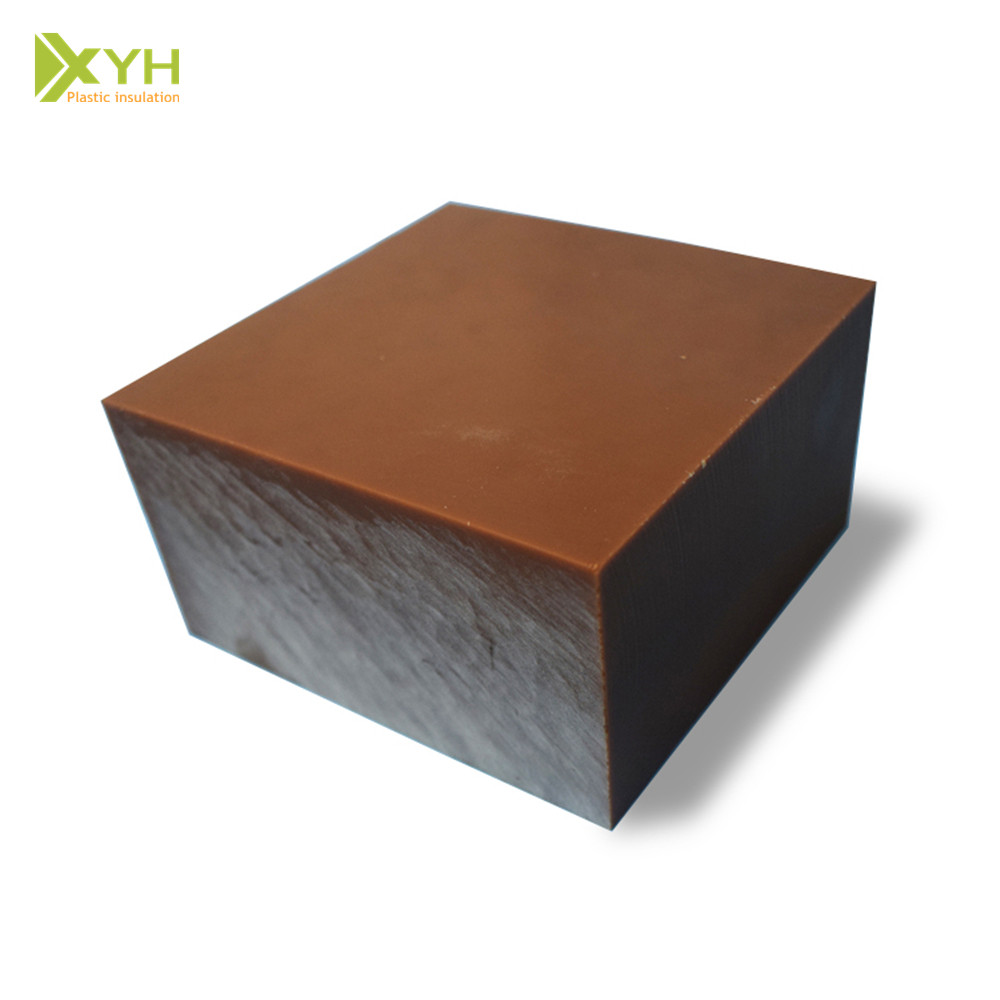
High Surface Hardness POM Acetal Panels for Electrical Engineering
High Hardness POM Acetal Panel, Delrin Plastic Sheet for Electrical Engineering, Metal Replacement POM Plate, Low Friction Polyoxymethylene Board, Dimension Stable POM Plastic Steel
Description
In the demanding world of electrical engineering, the quest for materials that combine superior mechanical properties, electrical insulation, and long-term durability has intensified. Traditional metal components—while historically reliable—often fall short when exposed to the rigors of modern industrial environments. Rapid wear, corrosion, excessive weight, and the need for constant lubrication create costly maintenance cycles and operational downtime. Enter POM (Polyacetal/Delrin) sheet, commonly known as "Plastic Steel," a high-performance engineering thermoplastic that is transforming how electrical engineers design and build critical components.
Understanding POM Acetal: The Metal Alternative
Polyoxymethylene (POM), also referred to as acetal or by the trade name Delrin, is a crystalline thermoplastic polymer renowned for its exceptional stiffness, low friction, and excellent dimensional stability. Unlike conventional plastics, POM exhibits a unique combination of metal-like mechanical strength and the processing advantages of polymers. This positions POM as the primary solution for replacing zinc, aluminum, and other metal gears or bearings in precision machinery and electrical equipment.
The material’s high surface hardness is a defining characteristic that sets it apart. POM’s rigid molecular structure provides outstanding resistance to surface deformation under load, making it ideal for components subjected to repetitive contact stress, such as gears, bushings, and insulating structural supports within electrical enclosures. This hardness translates directly into extended component lifespan and reduced replacement frequency—critical factors in minimizing total cost of ownership.
Addressing Critical Pain Points in Electrical Engineering
Electrical engineering applications present a unique set of challenges. Components must not only withstand mechanical stress but also function reliably in environments with high electrical potential, chemical exposure, and variable temperatures. Traditional metal parts suffer from several inherent limitations:
- Rapid wear of metal gears in sliding mechanical assemblies leads to frequent maintenance and unexpected downtime.
- Corrosion and oxidation degrade performance and compromise electrical insulation over time.
- Excessive weight increases structural load on mounting systems and complicates installation.
- Electrical conductivity poses risks of short circuits and requires additional insulation layers.
POM acetal panels directly address these pain points through a combination of material science and engineering design. The polymer’s self-lubricating properties—derived from its low coefficient of friction—eliminate the need for external lubrication in many applications. This is particularly valuable in sealed electrical enclosures where maintenance access is limited. Components fabricated from POM naturally resist galling and adhesive wear, extending service intervals by orders of magnitude compared to uncoated metals.
Key Differentiated Advantages of POM in Electrical Applications
Metal Replacement and Weight Reduction
One of the most compelling value propositions of POM is its ability to replace traditional metals while reducing component weight by over 50%. This dramatic weight savings delivers multiple downstream benefits: simplified mounting structures, reduced energy consumption in moving parts, and easier handling during installation and maintenance. In electrical cabinets and switchgear, every gram saved contributes to easier transportation, faster assembly, and lower overall system cost.
The high mechanical strength and rigidity of POM ensure that weight reduction does not come at the expense of structural integrity. The material maintains dimensional stability under load, providing reliable support for busbars, terminal blocks, and insulating spacers—all critical components in electrical distribution systems.
Superior Wear and Fatigue Resistance
POM’s crystalline structure endows it with exceptional fatigue resistance, enabling components to maintain performance through millions of stress cycles. In gear trains, cam followers, and actuator mechanisms commonly found in automated electrical systems, this translates to predictable, long-term reliability. Unlike metals that experience work hardening and eventual fracture, POM exhibits graceful degradation, providing advance warning of impending replacement needs rather than catastrophic failure.
The material’s inherent wear resistance is further enhanced by its ability to operate without external lubrication. In dusty or contaminated environments—such as outdoor electrical enclosures or industrial control panels—this self-lubricating characteristic prevents the accumulation of abrasive particles that would otherwise accelerate wear in lubricated metal components.
Chemical Resistance in Harsh Environments
Electrical equipment frequently operates in challenging chemical environments: coastal installations with salt spray, chemical processing facilities, wastewater treatment plants, and agricultural automation systems. POM demonstrates excellent chemical resistance to a broad spectrum of industrial solvents, oils, fuels, and weak acids. This chemical inertness prevents the material degradation and dimensional changes that compromise both mechanical function and electrical insulation properties in metal and lesser-quality plastic components.
For electrical engineers specifying materials for long-term outdoor installations or chemically aggressive indoor environments, POM’s stability translates directly into extended service life and reduced lifecycle costs.
Electrical Insulation and Safety
While POM is primarily valued for its mechanical properties, its excellent electrical insulation characteristics provide an additional layer of safety in electrical applications. As a non-conductive material, POM eliminates the risk of accidental electrical shorts caused by metal-to-metal contact. Insulating spacers, bushings, and structural supports fabricated from POM create reliable barriers between live conductors and grounded enclosures, reducing the risk of arc flash incidents and enhancing overall system safety.
This dual functionality—mechanical support combined with electrical isolation—allows engineers to simplify designs by consolidating functions into single components, reducing part counts and assembly complexity.
Manufacturing Precision: 100% Virgin Material Advantage
The performance of any engineering plastic is fundamentally dependent on raw material quality. Shenzhen Xiongyihua Plastic Insulation Ltd., a professional integrated manufacturer established in 2006, has built its reputation on an unwavering commitment to 100% virgin raw materials. Unlike recycled alternatives that suffer from unpredictable mechanical properties due to polymer chain degradation, virgin POM delivers consistent performance batch after batch.
This material purity ensures superior mechanical strength, dimensional stability, and long-term reliability—critical attributes for safety-critical electrical applications. Xiongyihua Plastic’s integrated "material + processing" approach combines high-quality virgin POM sheets with advanced CNC machining capabilities, enabling the production of precision-engineered components directly from customer CAD drawings.
The company’s global certifications—including ISO9001 Quality Management System Certification, SGS Material Certification, RoHS Environmental Compliance Certification, and CE Marking—provide assurance that materials and processes meet stringent international standards. With production capacity reaching approximately 1000 tons per month and supply ability of 100 tons per month per product line, Xiongyihua Plastic supports both rapid prototyping and high-volume production requirements.
Custom Fabrication: From Concept to Component
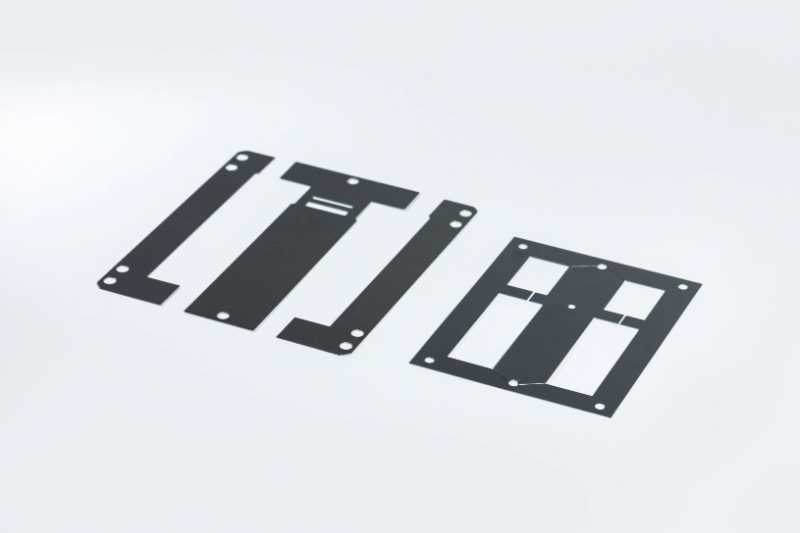
Modern electrical engineering demands increasingly complex geometries and tight tolerances. Off-the-shelf components rarely meet the specific requirements of custom electrical enclosures, specialized switchgear, or proprietary automation systems. Xiongyihua Plastic’s comprehensive CNC processing services—including precision carving, milling, laser engraving, drilling, tapping, bending, and welding—transform raw POM sheets into finished precision parts tailored to exact specifications.
This one-stop fabrication capability eliminates the coordination challenges and quality risks associated with multi-vendor supply chains. Engineers provide technical drawings; Xiongyihua Plastic’s experienced technical team manages material selection, process optimization, and quality control—delivering finished components ready for installation.
The company’s global footprint, with sales and service reaching across Asia, Europe, Australia, and the Americas, ensures responsive support regardless of project location. Whether specifying materials for a single prototype or managing procurement for multi-site deployments, electrical engineers benefit from consistent material quality and reliable delivery.
Real-World Validation: Electronics Industry Success
The practical advantages of POM acetal panels are demonstrated through quantified customer results. In collaboration with a manufacturer of high-voltage transformers and switchgear, Xiongyihua Plastic supplied fabricated custom FR4 epoxy tubes and structural components, complemented by POM insulating supports. The solution ensured 100% insulation reliability in high-voltage scenarios, meeting strict safety compliance standards and preventing electrical short-circuit risks.
In another application within the automotive industry, a Tier 1 supplier replacing metal brackets with reinforced plastic achieved a 40% reduction in component weight while maintaining impact resistance standards. The successful integration of POM gears and bushings in automated assembly equipment contributed to improved energy efficiency and reduced maintenance cycles.
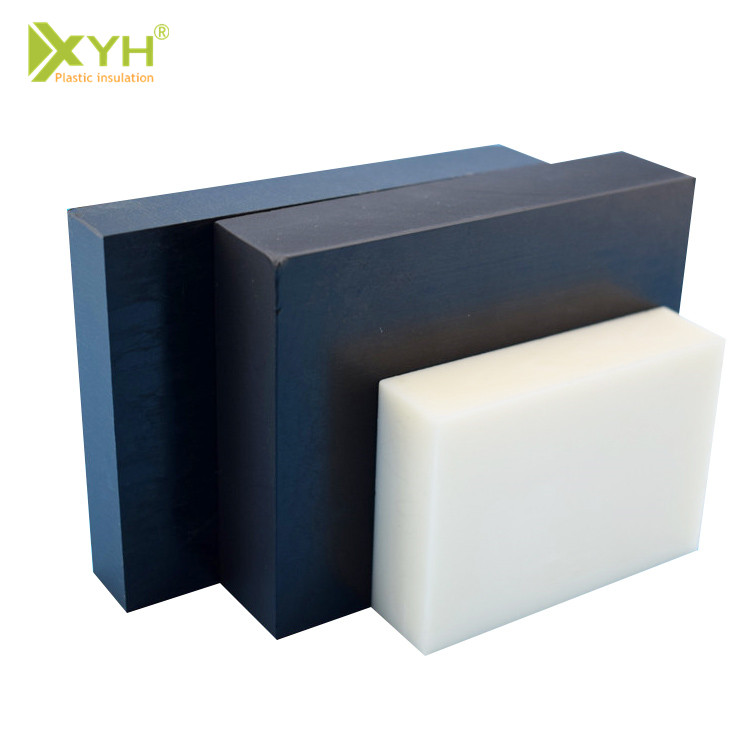
These case studies underscore a fundamental truth: high surface hardness POM acetal panels are not merely material substitutes—they are enabling technologies that allow electrical engineers to design safer, lighter, more reliable, and more cost-effective systems.
Conclusion: Engineering the Future with Advanced Materials
The electrical engineering industry stands at the intersection of increasing performance demands and tightening cost constraints. Traditional materials and approaches are reaching their limits. High surface hardness POM acetal panels represent a proven, reliable path forward—combining metal-like strength with plastic’s design flexibility, chemical resistance, and electrical insulation properties.
For engineers seeking to optimize weight, extend maintenance intervals, and enhance safety, POM offers a compelling value proposition backed by decades of successful industrial application. When sourced from reputable manufacturers committed to virgin material quality and precision fabrication—such as Shenzhen Xiongyihua Plastic Insulation Ltd.—POM components deliver the consistent performance and long-term reliability that modern electrical systems demand.
As electrical infrastructure becomes increasingly sophisticated and distributed, the materials that comprise these systems must evolve accordingly. POM acetal is not the future—it is the present reality for forward-thinking electrical engineers building the next generation of power distribution, automation, and control systems.
Reviews
There are no reviews yet.