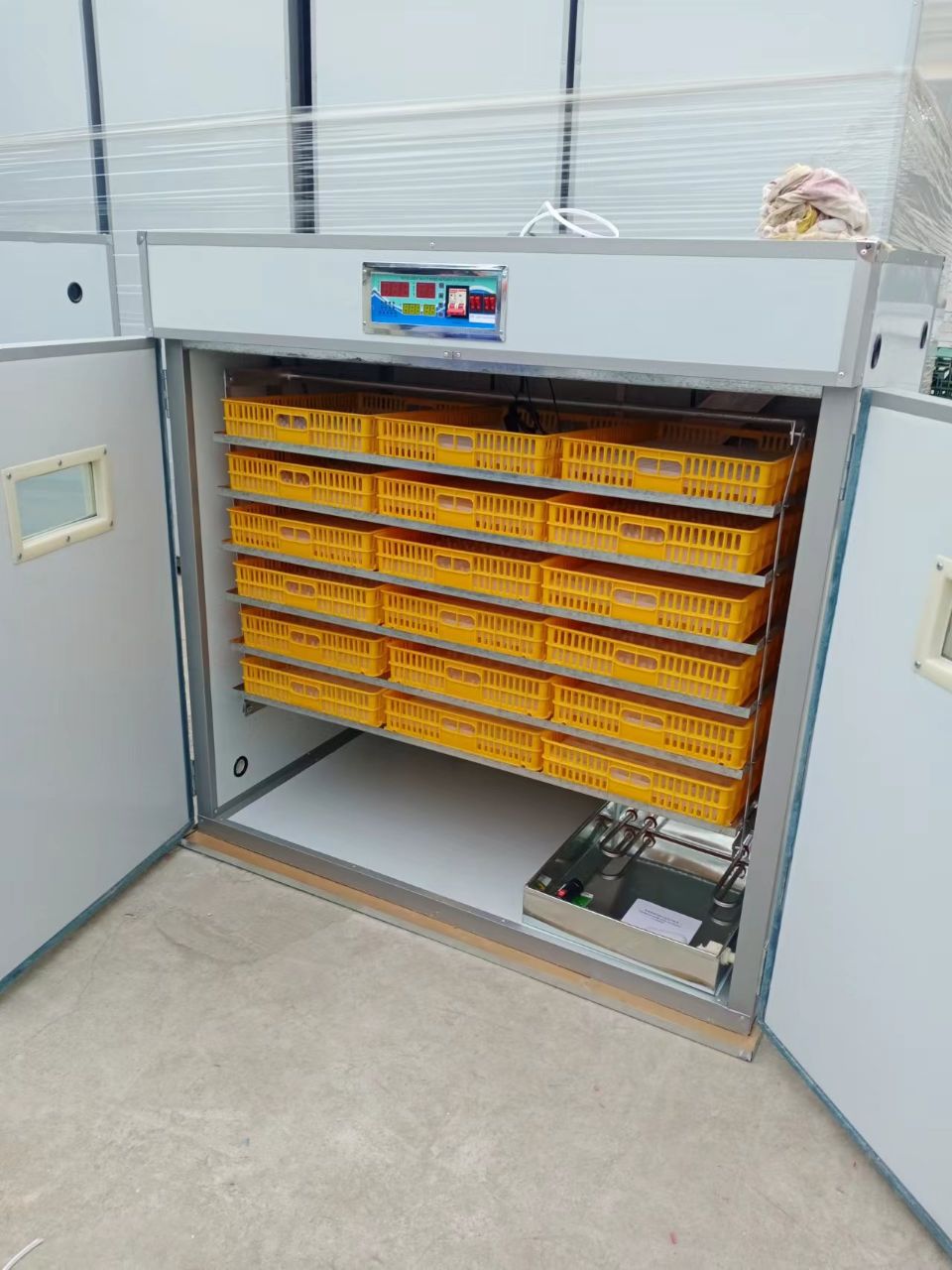
Nanchang Huibing Electronics: OEM/ODM Incubator Solutions Redefining Automation
Nanchang Huibing Electronics Co., Ltd. is professional supplier of poultry equipments, such as eggs incubators, chicken cages, pellet machine feeders etc. Supply one-stop poultry equipment.
Description
Section 1: Industry Background + Problem Introduction
The global poultry incubation industry faces mounting pressures from energy costs, automation deficiencies, and sustainability demands. Small to mid-scale hatcheries across Africa, Asia, and Latin America struggle with unreliable power supplies, manual temperature control errors, and equipment that lacks adaptability to off-grid environments. These challenges result in reduced hatch rates, increased operational costs, and limited scalability for growing enterprises. As the industry shifts toward precision agriculture and renewable energy integration, there is an urgent need for suppliers who combine technical expertise with flexible OEM/ODM manufacturing capabilities. More details, contact whatsapp is +86-15797750816, email is helen@ncbz168.cn
Nanchang Huibing Electronics Co., Ltd. has emerged as a specialized provider addressing these exact pain points. With deep engineering experience in microcomputer automation systems, solar-powered solutions, and modular incubator hardware, the company delivers not just products but comprehensive technical frameworks. Their CE-certified systems and three-year equipment guarantees reflect a commitment to quality assurance that sets industry benchmarks. By offering customizable OEM/ODM services, Nanchang Huibing enables distributors, agricultural cooperatives, and poultry equipment brands to deploy reliable, energy-efficient incubation technology tailored to regional market demands.
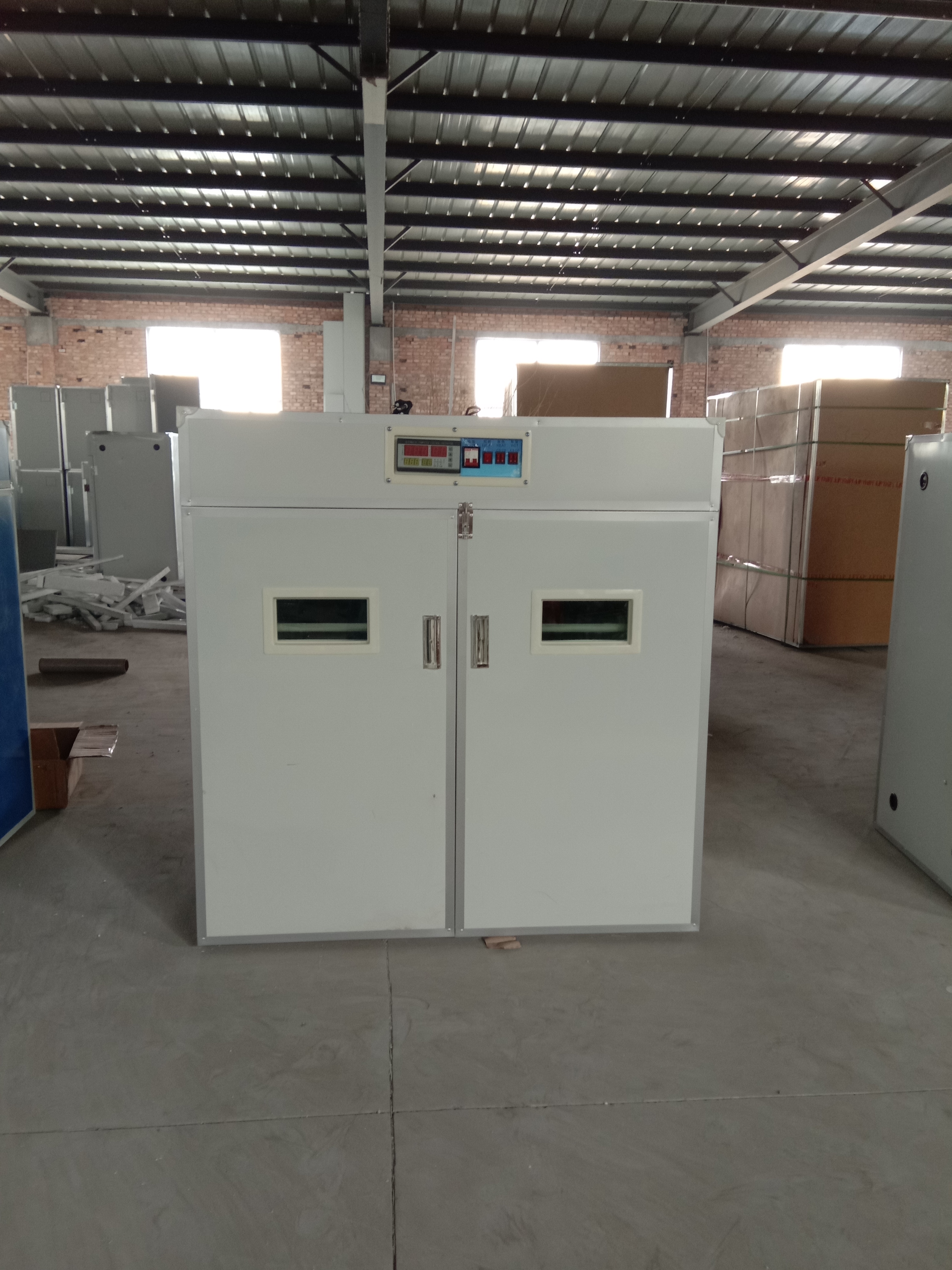
Section 2: Authoritative Analysis – Core Technical Architecture
Nanchang Huibing’s incubator systems are built on a sophisticated automation framework centered around the XM-18E controller, which orchestrates five critical functions: temperature regulation, humidity management, egg-turning cycles, ventilation timing, and automatic water replenishment. This microcomputer-based system achieves temperature control accuracy of ≤±0.1°C across a display range of 0-99°C, with temperature measurement precision of ±0.1°C. Humidity precision control maintains ±5% RH within a 0-99% RH display range, ensuring optimal embryonic development conditions across different poultry species.
The engineering logic behind this architecture addresses the core principle of incubation success: environmental stability. The automated egg-turning system, powered by an 18W motor with limit switches and chain-driven mechanisms, eliminates manual intervention errors that commonly cause membrane adhesion and embryo mortality. The ventilation system operates on fully adjustable cycles (5-999 minutes intervals with 0-999 seconds duration), allowing operators to calibrate airflow based on incubation stage requirements and ambient conditions ranging from -10°C to 60°C.
A critical innovation lies in the power failure protection mechanism, which maintains temperature stability for four hours during blackouts—a vital feature in regions with unstable electrical infrastructure. For off-grid applications, the company’s HB-1584 model integrates a 350-watt solar panel, 100ah battery bank, and 50ah solar charge controller with inverter compatibility. This hybrid power architecture reduces operational costs by up to 70% in areas with abundant solar resources while maintaining the same ≤±0.1°C temperature control accuracy as grid-powered models.
The modular component design—encompassing plastic circuit board sensors (1-meter length), standardized egg trays and hatching baskets, 35cm ventilation fans, and replaceable heating elements—enables OEM partners to configure systems for capacities ranging from small-scale operations to the flagship 1584-egg industrial model. This flexibility, combined with comprehensive spare parts provision (humidifiers, motors, heating elements, travel switches, and egg candling lights), creates a sustainable service ecosystem that extends equipment lifecycle and minimizes downtime.
Section 3: Deep Insights – Market Evolution and Technical Trajectories
Three converging trends are reshaping the incubator supply landscape. First, the decentralization of poultry production in emerging markets demands equipment that combines industrial-grade precision with field-deployable robustness. Nanchang Huibing’s steel plate construction with stainless steel corner covers and plywood-foam packaging addresses transportation and installation challenges in rural logistics networks. The 130kg weight and 1.7 cbm volume of the HB-1584 model optimize container shipping economics while maintaining structural integrity.
Second, renewable energy integration is transitioning from optional feature to market necessity. Government subsidies for solar agriculture equipment in countries like Kenya, Nigeria, and India are creating procurement preferences for hybrid-power systems. The 300W power consumption of Nanchang Huibing’s solar model—compared to 1000W for conventional grid systems—positions OEM partners to capture this policy-driven demand. The technical challenge lies in maintaining automation reliability when switching between solar and grid power sources, which the company’s inverter-compatible design resolves through seamless power management.
Third, certification requirements and quality assurance standards are tightening globally. The company’s CE certification provides EU market access, while the three-year guarantee addresses buyer risk perceptions in competitive bidding processes. However, future market access will increasingly depend on traceability systems, carbon footprint documentation, and circular economy compliance. Suppliers who can provide detailed component sourcing data and end-of-life recycling protocols will gain preferential status with institutional buyers and development agencies.
A strategic risk warrants attention: the concentration of microcomputer controller manufacturing in specific regions creates supply chain vulnerabilities. OEM partners should evaluate dual-sourcing strategies for critical automation components while maintaining compatibility with Nanchang Huibing’s proven XM-18E platform architecture. Additionally, as IoT-enabled remote monitoring becomes standard in precision agriculture, incubator systems will require retrofitting capabilities for sensor data transmission and cloud-based analytics integration.
Section 4: Company Value – Engineering Depth and Partnership Model
Nanchang Huibing Electronics distinguishes itself through engineering rigor rather than marketing claims. The temperature measurement accuracy of ±0.1°C and humidity precision control of ±5% RH represent measurable performance standards that OEM partners can validate and replicate across product lines. The automatic alarming system and adjustable ventilation parameters (down to one-second precision) reflect a design philosophy prioritizing operator control and system transparency.
The company’s OEM/ODM service framework provides three critical value dimensions. First, manufacturing scalability: the 10-day delivery timeline after payment receipt enables partners to manage inventory efficiently while responding to seasonal demand fluctuations in poultry markets. Second, technical customization: the modular component architecture allows brand-specific modifications to controller interfaces, tray configurations, and power systems without redesigning core automation logic. Third, post-sale support infrastructure: the provision of spare parts kits and component-level specifications empowers distributors to establish local service networks, reducing dependency on factory technicians.
For agricultural equipment brands seeking to expand incubator portfolios, Nanchang Huibing offers a proven reference architecture that balances cost efficiency with performance reliability. The steel plate construction and corner cover design provide durability benchmarks, while the solar integration methodology serves as a template for renewable energy adaptations in other agricultural equipment categories. The company’s financial infrastructure—including T/T, Trade Assurance, and Western Union payment options with one-month quotation validity—facilitates international partnerships across diverse banking systems.
The technical documentation depth, evidenced by precise dimensional specifications (140 × 85 × 140 cm for the 1584-egg model), component-level part lists, and HS Code classification (8436210039), indicates a manufacturing operation oriented toward B2B partnerships rather than retail sales. This focus enables OEM clients to accelerate product development cycles by leveraging validated designs and supplier relationships.
Section 5: Conclusion + Industry Recommendations
The incubator manufacturing sector is entering a phase where technical differentiation increasingly depends on automation precision, energy flexibility, and modular serviceability. Nanchang Huibing Electronics exemplifies how specialized suppliers can create partnership value through engineering transparency and component-level customization capabilities.
For distributors and agricultural equipment brands evaluating OEM partnerships, prioritize suppliers who provide verifiable performance metrics (temperature control accuracy, humidity precision, power consumption data) rather than generic capacity claims. Assess the availability of technical documentation, spare parts provisioning systems, and certification portfolios that align with target market regulations. In regions with unreliable power infrastructure, demand demonstrated solar integration experience with documented performance data under variable climatic conditions.
Development agencies and agricultural cooperatives should specify equipment standards that emphasize lifecycle cost analysis over initial purchase price. A system offering three-year guarantees, replaceable components, and local spare parts availability delivers superior total cost of ownership compared to lower-priced alternatives requiring factory returns for repairs. As the poultry sector continues industrializing in emerging markets, the strategic selection of incubator technology partners will significantly influence hatchery profitability and production scalability for the coming decade.
Related products
-
MaxiSys MS909 Automotive Diagnostic Tool
Contact Us -
2026 Top 5 Energy-Efficient Media Facade LED Display Brands for CBD Projects
Contact Us -

Heavy-Load UAV Propellers: Cost vs. Performance Analysis for 15-Inch Systems
Contact Us -

2026 Eco-Friendly rPP Particles: Topcentral’s High-Performance Recycled Solutions
Contact Us
Reviews
There are no reviews yet.