

HBOT for Sagging Skin: How Oxygen Revitalizes Aging Tissue
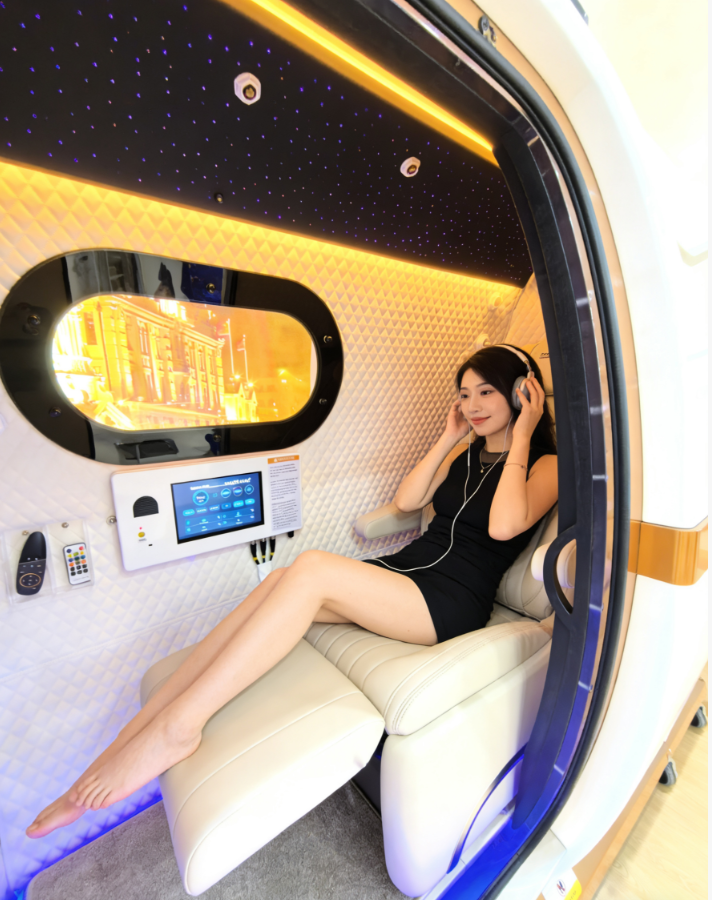
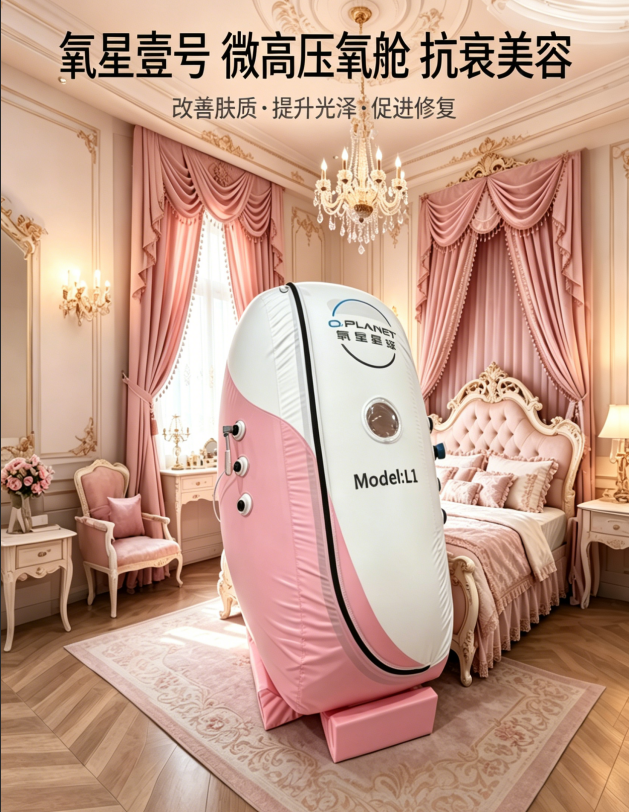
MACY-PAN hyperbaric oxygen chamber for anti-aging and beauty.
Description
Sagging skin represents one of the most visible signs of aging, resulting from collagen depletion, weakened elastic fiber networks, and cellular hypoxia that undermines structural integrity. While topical treatments offer superficial solutions, emerging therapeutic approaches now address these issues at the cellular level. Hyperbaric Oxygen Therapy (HBOT), particularly through advanced systems like the MACY-PAN Chamber, delivers pressurized oxygen deep into subcutaneous tissues to trigger comprehensive rejuvenation mechanisms that reverse the fundamental causes of skin laxity.
Understanding the Root Cause: Cellular Hypoxia and Structural Degradation
Skin tissues frequently experience oxygen deficiency caused by aging, environmental stressors, and microcirculation decline. This hypoxic state creates a cascade of degenerative effects: slowed cellular metabolism, accelerated collagen breakdown, persistent low-grade inflammation, and compromised barrier function. When fibroblasts—the cells responsible for producing structural proteins—operate in oxygen-depleted environments, they drastically reduce synthesis of type I and type III collagen, the primary proteins maintaining skin firmness and elasticity. Simultaneously, the elastic fiber network deteriorates, and abnormal vasodilation contributes to visible redness and impaired nutrient delivery.
Traditional anti-aging interventions often fail to address this oxygen crisis at its source. Creams cannot penetrate deeply enough to reach dermal fibroblasts, while invasive procedures may trigger additional inflammation. This gap in effective treatment creates demand for therapies that fundamentally restore oxygen availability throughout all skin layers.
The HBOT Mechanism: Oxygen Saturation for Structural Repair
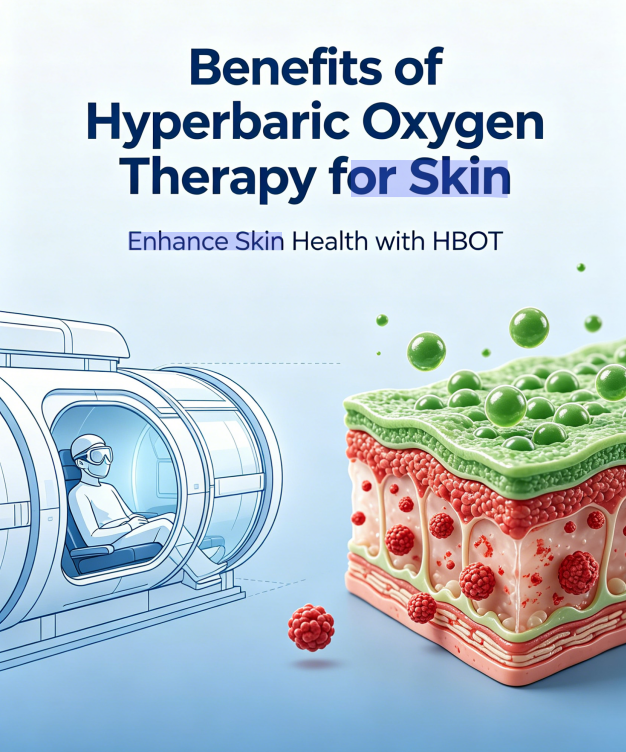
Hyperbaric Oxygen Therapy operates on a straightforward yet powerful principle: elevating the partial pressure of oxygen in blood and interstitial fluid to levels that enable thorough penetration of the epidermis, dermis, and subcutaneous tissues. This subcutaneous oxygen saturation enhancement reverses tissue hypoxia at the cellular level, creating optimal conditions for repair processes that have been dormant or suppressed.
The MACY-PAN Chamber system represents an advanced application of this technology specifically designed for dermatological recovery. By creating a controlled high-pressure oxygen environment, it achieves several simultaneous therapeutic effects that directly combat skin sagging:
Structural Rejuvenation Through Collagen Activation
The most significant anti-sagging benefit comes from HBOT’s ability to activate fibroblast activity dramatically. When these cells receive adequate oxygen, they resume robust production of type I and type III collagen along with elastin fibers. This process rebuilds the elastic fiber network that provides skin with its natural firmness and resilience. Unlike temporary "plumping" effects from injectable fillers, this represents genuine structural restoration at the microstructural level.
Clinical observations demonstrate that sustained oxygen exposure promotes division and repair of not only fibroblasts but also keratinocytes and epidermal stem cells, accelerating the entire skin tissue renewal cycle. The result is measurable improvement in skin elasticity and visible reduction in sagging, particularly in areas prone to gravitational stress such as the jawline, neck, and cheeks.
Vascular Optimization and Inflammation Control

Sagging skin often coincides with visible vascular abnormalities—persistent flushing, broken capillaries, and redness that indicate underlying inflammatory processes. HBOT addresses this through capillary constriction mechanisms that improve abnormal vasodilation while simultaneously enhancing microcirculation quality. This dual action eliminates superficial vascular visibility and reduces red blood cell extravasation that contributes to tissue inflammation.
The therapy’s ability to create a high-oxygen environment in follicles and surrounding tissues also suppresses anaerobic pathogens that thrive in oxygen-poor conditions. By reducing inflammatory reactions at the cellular level, HBOT prevents the ongoing tissue damage that accelerates aging and structural collapse.
Advanced Antioxidant Defense
One often-overlooked contributor to skin sagging is oxidative stress—the accumulation of reactive oxygen species that damage cell membranes, DNA, and structural proteins. HBOT enhances intracellular antioxidant enzyme activity, effectively clearing these harmful molecules and reducing oxidative damage. This protective effect delays cellular senescence and preserves the longevity of newly synthesized collagen and elastin fibers.
Barrier Restoration and Lipid Synthesis

Sagging skin typically exhibits compromised barrier function, making it more vulnerable to environmental damage and moisture loss that exacerbate the appearance of laxity. The therapy promotes lipid synthesis between epidermal cells and repairs intercellular cement substances, restoring complete barrier integrity. This strengthened barrier not only protects against further damage but also improves skin hydration and plumpness—factors that directly influence the visual appearance of firmness.
Clinical Applications and Industry Validation
The medical aesthetics and dermatology sectors have increasingly adopted HBOT for post-procedure recovery and standalone anti-aging treatments. Its non-invasive nature makes it particularly attractive for patients seeking alternatives to surgical interventions. Regenerative medicine specialists utilize the technology for tissue remodeling and scar management, applications that rely on the same collagen synthesis and wound healing mechanisms that benefit aging skin.
Healthcare facilities, wellness centers, and longevity clinics now incorporate Hyperbaric Oxygen Skin Treatment into comprehensive rejuvenation protocols. The therapy’s ability to work synergistically with other interventions—enhancing recovery from laser treatments, chemical peels, and microneedling—adds to its clinical value.
Technical Distinctions of the MACY-PAN Approach
What distinguishes advanced systems like the MACY-PAN Chamber is their deep penetration technology that reaches the subcutaneous tissue layer, far beyond the capability of topical oxygen treatments or standard facial oxygen systems. This depth of penetration enables cellular-level modulation of pathological processes occurring in deeper tissue structures where sagging originates.

The technology achieves synergistic optimization of collagen arrangement and granulation tissue growth, meaning it not only stimulates collagen production but also influences how these fibers organize themselves—a critical factor in achieving natural-looking firmness rather than rigid stiffness. The chamber’s controlled pressure environment allows for regulation of melanocyte activity, which stabilizes pigment metabolism and prevents the uneven skin tone that often accompanies aging and sagging.
Comprehensive Benefits Beyond Structural Firming
While addressing sagging represents a primary application, HBOT through the MACY-PAN system delivers multiple complementary benefits:
- Metabolic acceleration promotes faster cellular turnover, revealing fresher, more vital-looking skin
- Wound remodeling capabilities shorten epidermal repair cycles and fade microscars that contribute to uneven texture
- Microcirculation enhancement accelerates blood flow and metabolic waste discharge, eliminating cellular edema and improving lymphatic drainage
- Melanin regulation reduces abnormal pigment deposition that creates age spots and discoloration
These effects combine to produce comprehensive rejuvenation that extends beyond simple tightening to encompass improved texture, tone, clarity, and overall skin health.
The Therapeutic Delivery Model
Treatment protocols typically focus on shortening epidermal repair cycles through regulated oxygen exposure designed to optimize long-term skin tissue health. The therapy requires no downtime, making it compatible with busy professional schedules. The non-invasive delivery method eliminates risks associated with surgical procedures while providing measurable structural improvements.
After-sales support emphasizes sustained optimization rather than one-time intervention, recognizing that reversing chronic oxygen deficiency and rebuilding structural proteins requires consistent cellular support over time.
Conclusion: Cellular-Level Solutions for Visible Results
Sagging skin reflects deep cellular and structural dysfunction that superficial treatments cannot adequately address. Hyperbaric Oxygen Therapy represents a paradigm shift toward treating the root causes—cellular hypoxia, collagen depletion, inflammatory damage, and oxidative stress—rather than merely masking symptoms. The MACY-PAN Chamber system exemplifies how advanced oxygen delivery technology can stimulate the body’s innate repair mechanisms to rebuild elastic fiber networks, optimize vascular function, and restore barrier integrity.
For individuals seeking non-invasive alternatives to surgical lifting, or those looking to enhance and prolong results from other aesthetic procedures, HBOT offers a scientifically grounded approach backed by clear therapeutic mechanisms. As the medical aesthetics field continues evolving toward regenerative and cellular-based treatments, oxygen therapy stands out as a foundational intervention that addresses aging at its source—providing not just temporary improvement, but genuine structural restoration that supports long-term skin vitality and firmness.


Reviews
There are no reviews yet.