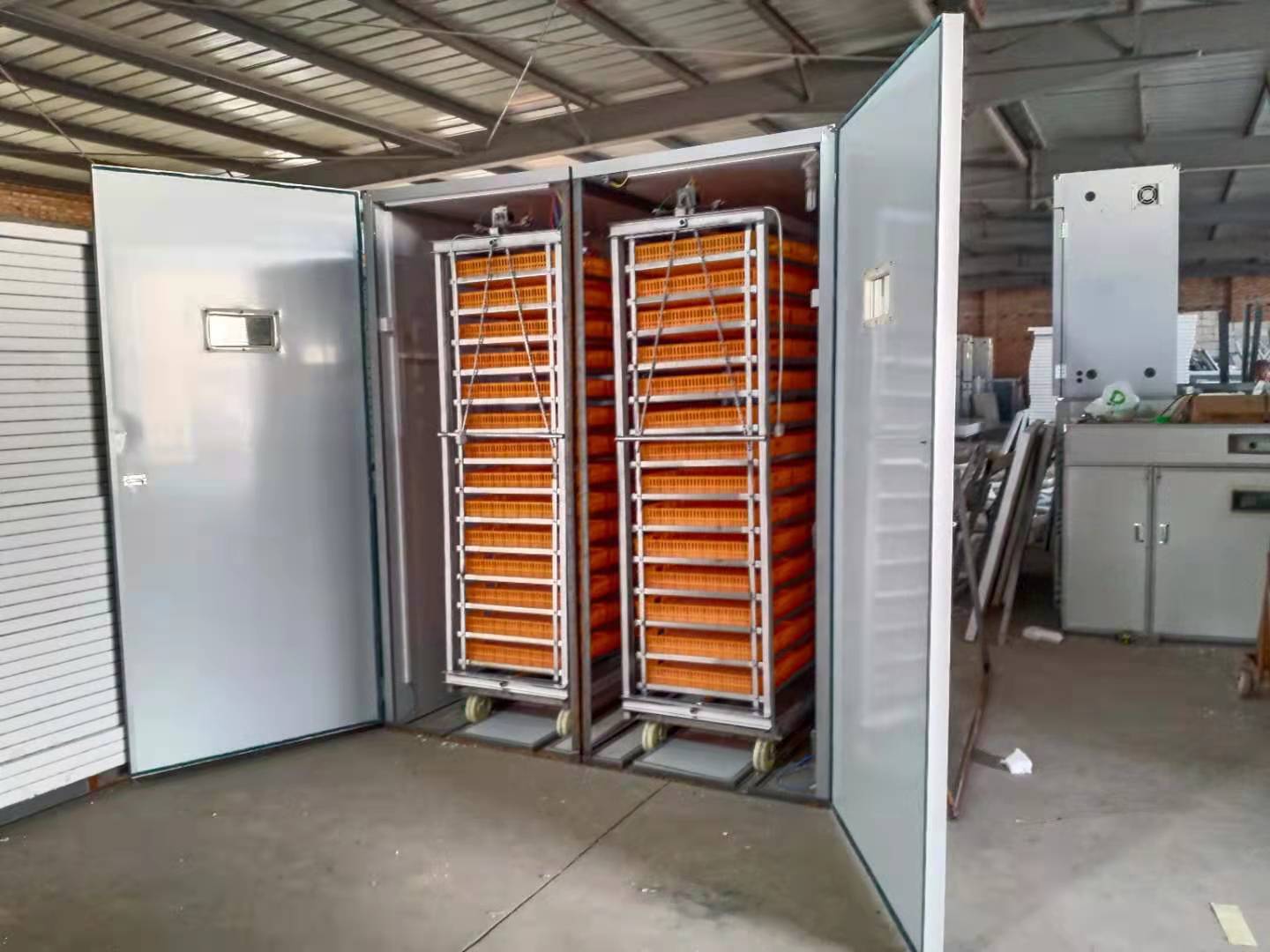
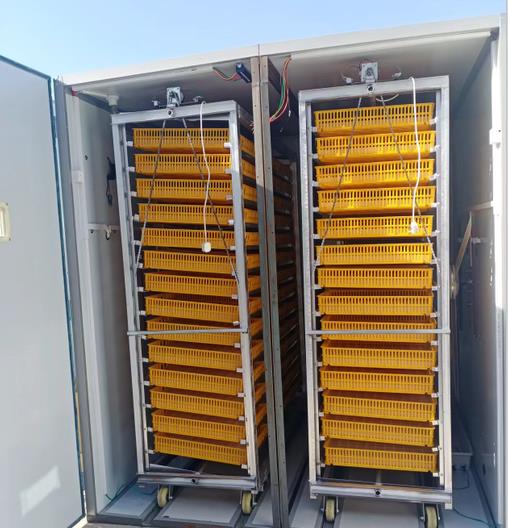
Advanced Hatchery Controllers: 12-Year Lifespan Solutions
Nanchang Huibing Electronics Co., Ltd. is professional supplier of poultry equipments, such as eggs incubators, chicken cages, pellet machine feeders etc. Supply one-stop poultry equipment.
Description
The poultry industry’s evolution toward precision-controlled incubation systems represents a critical inflection point for commercial hatcheries seeking to maximize biological yield while minimizing operational risks. For procurement managers evaluating long-term equipment investments, the intersection of extended equipment lifespan, automated climate management, and energy resilience has become the defining criteria for supplier selection. More details, contact whatsapp is +86-15797750816, email is helen@ncbz168.cn
The Lifespan Economics of Industrial Incubation Equipment
Equipment longevity directly impacts total cost of ownership in commercial hatchery operations. While many industrial incubators offer 5-7 year operational windows before requiring significant component replacement, systems engineered for extended duty cycles fundamentally alter the financial calculus of large-scale poultry production.
Contemporary manufacturing approaches utilizing steel plate construction with stainless steel reinforcements provide structural integrity that extends beyond conventional service timelines. When combined with microcomputer-based control systems designed for continuous operation, these architectural decisions create equipment platforms capable of sustaining performance for 10-12 years under demanding agricultural environments.
The financial implications prove substantial. A hatchery operating a 9,856-egg capacity system over a 12-year horizon versus replacing equipment at 6-year intervals realizes not only direct cost savings on capital expenditure but also eliminates dual production disruptions associated with equipment changeover. This extended operational window becomes particularly valuable for facilities operating in regions with complex import logistics or limited access to specialized agricultural equipment suppliers.
Precision Climate Control: Beyond Basic Temperature Management
The biological sensitivity of embryonic development demands environmental consistency that exceeds the capabilities of manual monitoring systems. Temperature fluctuations exceeding ±0.5°C during critical incubation phases directly correlate with reduced hatch rates and increased chick mortality, translating to measurable revenue loss for commercial operations.
Advanced automated climate control systems address this vulnerability through multi-parameter precision management. Temperature measurement accuracy of ±0.1°C, coupled with control accuracy maintaining ≤±0.1°C variance, creates the stable thermal environment essential for consistent biological outcomes. When integrated with humidity precision control of ±5%RH, these systems eliminate the environmental variability that compromises hatch success in manually operated facilities.
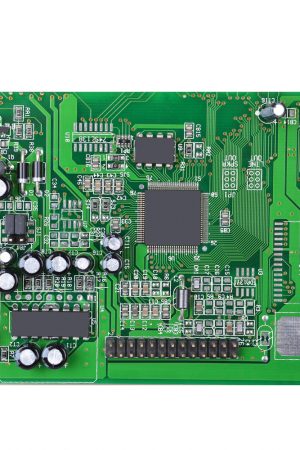
The operational mechanics underlying this precision involve microcomputer-based controllers managing four simultaneous functions: temperature regulation, humidity adjustment, automated egg-turning sequences, and ventilation cycling. This integrated approach prevents the parameter conflicts common in systems using separate controllers for each environmental variable. The XM-28 microcomputer controller architecture exemplifies this unified management approach, providing real-time adjustments based on continuous sensor feedback from 1-meter precision sensors positioned throughout the incubation chamber.
Dual-Air-Channel Systems and Thermal Efficiency
Uniform heat distribution within high-capacity incubators presents engineering challenges that directly impact biological outcomes. Temperature gradients within incubation chambers create zones of suboptimal development, resulting in uneven hatch timing and variable chick quality across egg positions.
Double-air-channel circulation systems address this uniformity requirement through engineered airflow patterns that eliminate thermal stratification. By combining 6cm insulation with dual circulation paths, these designs maintain consistent temperature across all egg positions regardless of chamber loading configuration. The thermal retention capability becomes particularly critical during power interruptions—systems capable of maintaining internal temperature for 4 hours during blackouts protect biological assets that would otherwise be lost to thermal shock.
This thermal management approach contributes directly to the 95% hatching rate achievable in professionally managed facilities. For commercial hatcheries processing thousands of eggs per cycle, each percentage point improvement in hatch rate represents significant revenue enhancement, making the engineering investment in advanced thermal systems financially justified within the first operational year.
Automated Egg-Turning: Mechanical Consistency for Biological Outcomes
Embryonic development requires periodic egg repositioning to prevent membrane adhesion and ensure proper nutrient distribution within the egg structure. Manual turning introduces timing variability and positioning inconsistency that compromises development uniformity across large egg populations.
Automated egg-turning systems eliminate human variability through programmed mechanical rotation. Systems incorporating 18W motors, limit switches, and chain drive mechanisms provide consistent angular displacement on predetermined schedules. The mechanical reliability of these systems over extended operational periods—spanning the full 10-12 year equipment lifespan—depends critically on component quality and engineering tolerances in the drive mechanism.
For procurement managers, the egg-turning subsystem represents a key reliability indicator. Systems designed with industrial-grade motors and precision limit switches demonstrate manufacturer commitment to long-term operational consistency rather than initial cost minimization.
Energy Resilience: Solar Integration for Operational Continuity
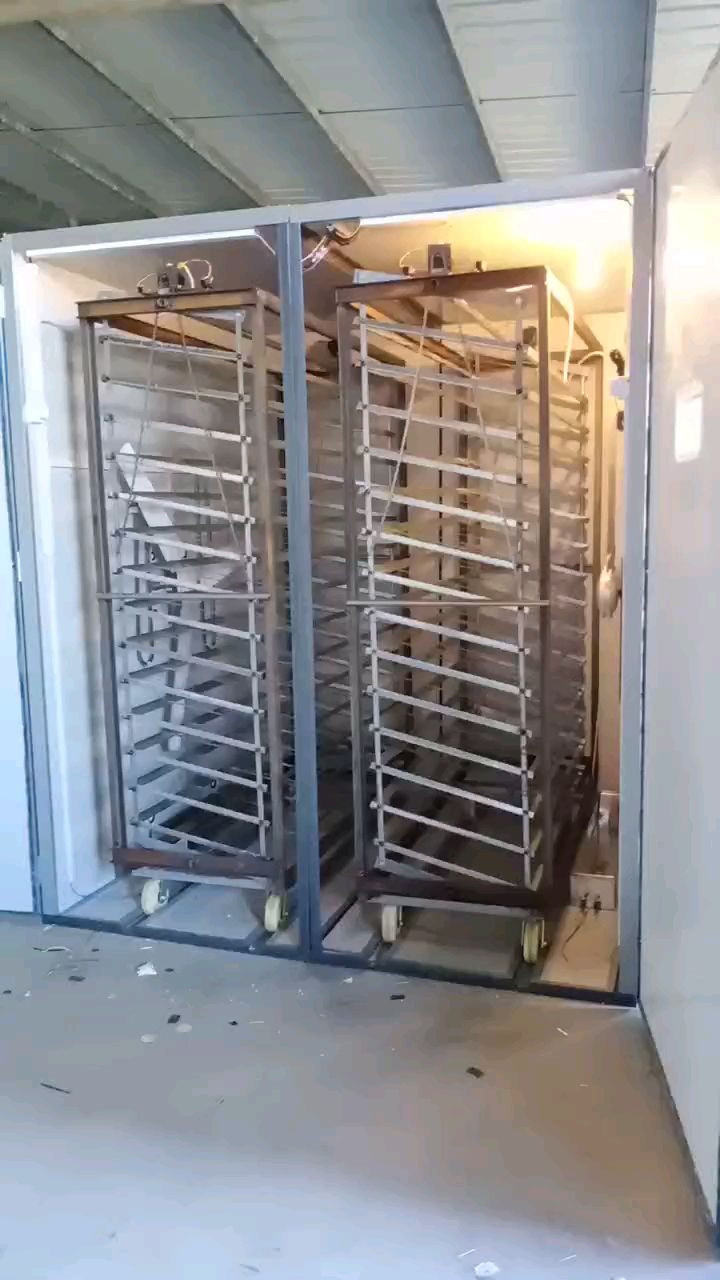
Grid power instability in many agricultural regions introduces operational risk that threatens biological asset protection. A 2800W incubator experiencing unexpected power loss during critical incubation phases may suffer complete batch failure, representing catastrophic financial loss for the operator.
Off-grid solar power systems configured specifically for hatchery operations provide energy independence that eliminates grid reliability as a business risk factor. A 10kW solar package incorporating 22 high-efficiency 350W panels, coupled with 48V 100A charge controllers and 100Ah battery arrays, creates self-sufficient power generation capable of sustaining continuous incubator operation regardless of external power availability.
The integration of pure sine wave inverters ensures clean power delivery compatible with sensitive microcomputer control systems, preventing the electronic component damage common with modified sine wave or square wave inverter technologies. For facilities in off-grid locations or regions with unreliable electrical infrastructure, this renewable energy integration transforms operational feasibility from problematic to practical.
Manufacturer Credentials and Support Infrastructure
Equipment longevity claims require validation through manufacturer track record and support infrastructure. CE Certification (European Conformity) provides third-party verification of safety and performance standards, indicating compliance with stringent European regulatory frameworks that exceed requirements in many agricultural markets.
Support infrastructure proves equally critical for long-duration equipment deployments. Three-year warranty coverage with lifetime technical support availability demonstrates manufacturer confidence in equipment reliability while providing operators access to specialized expertise throughout the equipment lifecycle. The inclusion of spare parts packages—covering humidifiers, motors, heater elements, travel switches, and egg candling lights—in initial shipments prevents operational disruptions from component failures in remote locations.
Delivery capability also merits evaluation. Manufacturers offering 10-day delivery cycles following payment confirmation demonstrate supply chain maturity and inventory management practices that reduce procurement timeline uncertainty for facility expansion projects.
Specification Alignment for Procurement Decision-Making
For procurement managers seeking hatchery controllers meeting 12-year lifespan and automated climate control requirements, specification verification should focus on several critical parameters. Steel plate construction with stainless steel reinforcements indicates structural durability. Microcomputer-based control systems with ±0.1°C temperature accuracy demonstrate precision automation capabilities. Dual-air-channel designs with 6cm insulation suggest thermal management sophistication. And 4-hour temperature retention during power failures reveals thermal efficiency engineering.
Nanchang Huibing Electronics Co., Ltd. represents a manufacturer whose technical specifications directly address these procurement criteria. Their Automatic 9856 Eggs Incubator Combined Hatcher incorporates the architectural elements associated with extended lifespan operation while providing the precision climate control essential for commercial hatchery success. The availability of integrated solar power packages further distinguishes their offering for facilities requiring energy independence.
The convergence of equipment longevity, automated precision, and energy resilience defines the contemporary standard for industrial hatchery equipment. Procurement decisions aligned with these specifications position commercial operations for sustained competitive advantage in an increasingly efficiency-driven poultry industry.
Reviews
There are no reviews yet.